Remote Camp Security Through Indigenous Partnerships
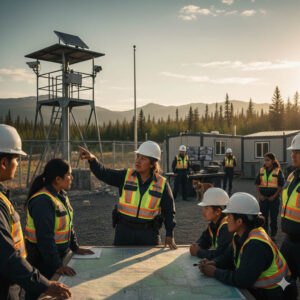
Across Canada’s vast, isolated regions, ensuring remote camp security has become a top priority for organizations operating far from cities.
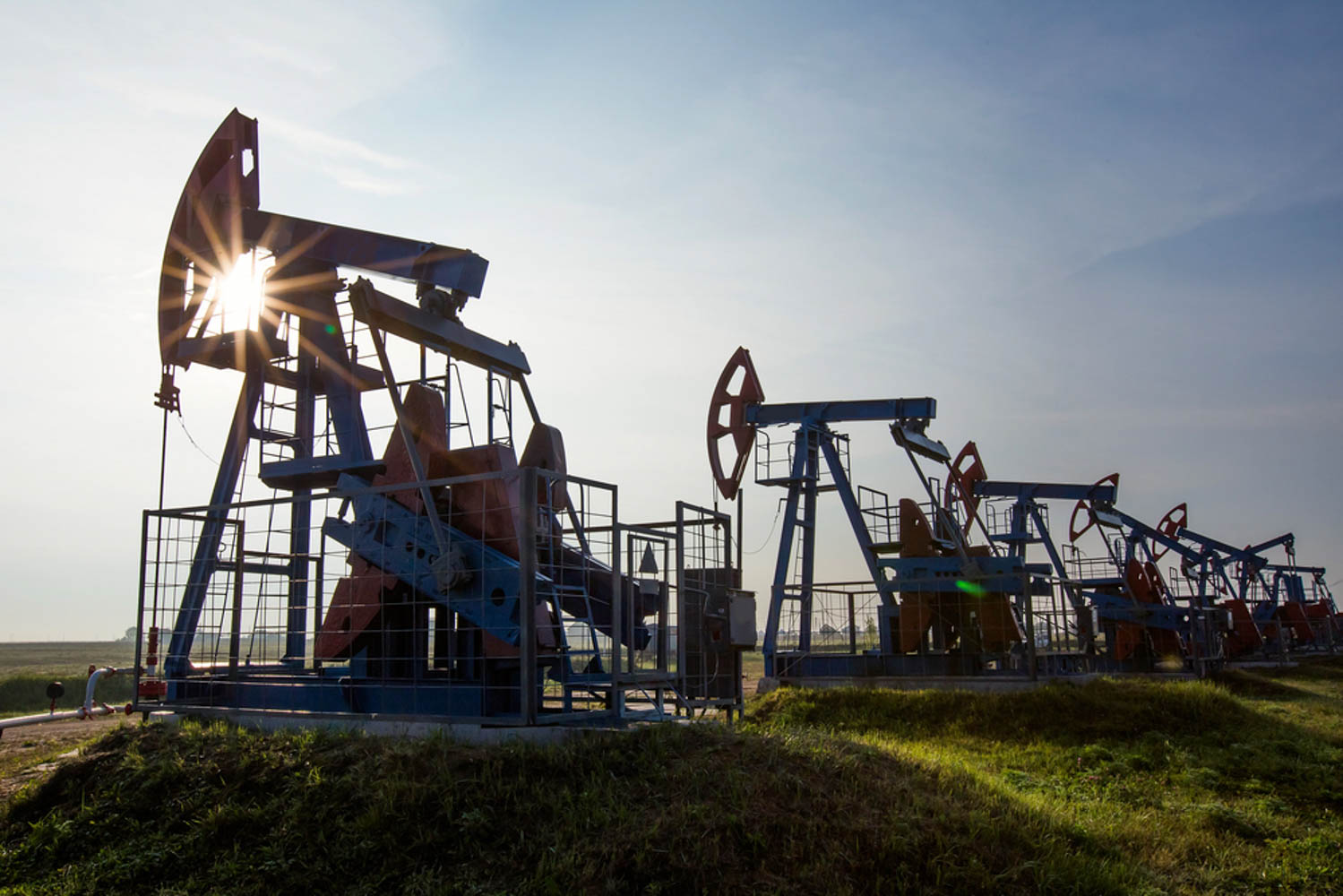
Selecting the right oil and gas facility maintenance provider is a pivotal decision for companies operating in Canada’s remote regions—from Alberta’s oil sands to northern exploration camps. For organizations managing complex operations in isolated environments, the stakes are high: safety, uptime, and regulatory compliance must be maintained despite harsh weather, limited infrastructure, and logistical constraints.
For companies actively seeking a provider, the challenge isn’t just finding someone who can “get the job done”—it’s identifying a partner who understands the nuances of Canadian terrain, seasonal access, Indigenous engagement, and the realities of fly-in/fly-out workforce logistics. Whether you’re a junior exploration firm scaling up or a multinational operator optimizing long-term assets, your facilities management partner must be equipped to deliver consistent, safe, and scalable services across Canada’s diverse and demanding landscapes.
Canadian remote sites present distinct challenges: extreme weather, limited access to infrastructure, seasonal constraints, and Indigenous engagement requirements. Before evaluating providers, clarify what your site needs—from technical support and logistics to workforce accommodations and emergency planning. A strong oil and gas facilities management provider must offer:
This is especially important for companies managing remote installations, where access, weather, and workforce morale are constant challenges.
To support a well-informed decision, the following ten practical tips offer a structured approach to evaluating providers—addressing technical expertise, service integration, sustainability practices, and alignment with community and regulatory expectations.
Safety is non-negotiable in facility management in oil and gas industry, especially in remote areas where emergency response resources may be limited. In Canada, safety and compliance are tightly regulated by provincial and federal bodies. Providers must demonstrate alignment with CSA standards, OH&S regulations, and Indigenous consultation protocols. Look for partners who:
Ask how they manage safety audits, near-miss reporting, and continuous improvement. A provider with a deeply embedded safety culture will not only protect your workforce and assets but also strengthen your reputation with regulators, insurers, and local communities.
Tip 2: Evaluate Technical Capabilities
The complexity of gas facility maintenance and infrastructure demands deep technical knowledge. Ask providers about:
Also inquire about their ability to respond to equipment failures during extreme weather events. Providers who can deploy mobile units or remote diagnostics quickly are invaluable in minimizing downtime and protecting critical assets.
A skilled, adaptable workforce is essential—especially in remote areas. Remote Canadian sites often rely on rotational crews, which require careful scheduling, fatigue management, and reliable transportation logistics. Look for providers who:
In remote environments, where access is limited and downtime is costly, having a team that can pivot quickly and operate safely under pressure is a major asset. Ask how providers support mental health, fatigue management, and team cohesion in isolated settings.
Tip 4: Look for Integrated Solutions
Modern oil facility management goes beyond basic maintenance. Providers offering integrated facility management services can streamline operations by bundling multiple support functions under one contract—reducing complexity, improving coordination, and lowering costs. Look for partners who provide:
If your site includes long-term accommodations, inquire about remote camp camp services. Providers who support housing, food, and sanitation contribute directly to morale and productivity.
Tip 5: Consider Digital Tools and Innovation
Technology is transforming oil and gas facility maintenance. Providers who leverage digital tools can offer predictive insights and real-time monitoring. Ask about:
Even in low-bandwidth environments, smart data collection improves decision-making and transparency. Some providers also offer drone inspections, which can reduce risk and improve visibility in hard-to-reach areas.
Tip 6: Review Contract Flexibility and Transparency
Contracts should be clear, flexible, and aligned with your operational goals. Look for:
Avoid long-term lock-ins unless the provider has a proven track record in similar Canadian environments.
Tip 7: Check Local Knowledge and Global Reach
A remote camp management company provider with local expertise understands terrain, climate, labor laws, and supply chains. At the same time, global providers bring innovation and best practices. Ideally, your provider should:
This balance ensures responsiveness and resilience, especially in dynamic or remote settings where local insight and global standards must work hand in hand.
Tip 8: Ask About Sustainability Practices
Sustainability is becoming a core priority in gas facility management. Providers should demonstrate efforts to:
Ask whether they use low-emission equipment, biodegradable cleaning agents, or renewable energy sources for camp operations. A provider committed to sustainability adds long-term value and strengthens your reputation.
Tip 9: Evaluate Communication and Collaboration
Strong communication is key to successful partnerships. Look for providers who:
A provider who listens, adapts, and proactively supports your goals becomes an extension of your team.
Tip 10: Request References and Site Visits
Don’t hesitate to ask for references or visit active sites. Seeing operations firsthand can reveal:
Speak with current clients to understand their experience and satisfaction levels.
Conclusion
Choosing the right provider for Canadian remote energy sites means finding a partner who understands cold climates, logistical complexity, and community engagement. From technical resilience to integrated services, the right provider will help you maintain momentum, minimize risk, and build trust across every layer of your operation. Whether you’re managing a pipeline, a processing plant, or a seasonal exploration camp, success depends on selecting a team equipped to thrive where others struggle—and who treat your site not just as a contract, but as a commitment to oil and gas facility maintenance.
Ready To Find A Provider Who Understands Remote Canadian Energy Sites?
Contact the Domco Group today to book a consultation and explore how our services can support your operations with safety, efficiency, and care.
Across Canada’s vast, isolated regions, ensuring remote camp security has become a top priority for organizations operating far from cities.
Industries working in isolated forest regions rely on forestry remote camp mobilization to ensure their teams are deployed quickly, safely,
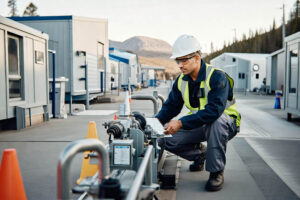
Resident camps in Canada are more than temporary housing sites for workers in industries like mining, forestry, energy, and construction.

A remote facility is more than just a temporary shelter—it is a comprehensive hub designed to support workers and operations
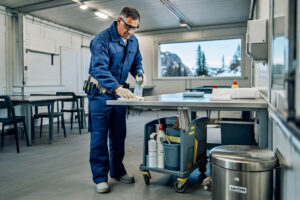
The primary objective of hiring remote janitorial services in offsite construction camps is to uphold health, safety, and operational efficiency

Remote camp maintenance jobs play a vital role in Canada’s resource and industrial sectors, supporting mining, oil and gas, hydroelectric,

When planning a large-scale project in a challenging location, remote food catering becomes one of the most critical services to
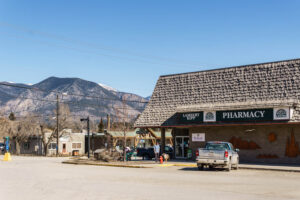
Remote health and safety is a critical component in the management and operation of Canadian field camps, especially those situated
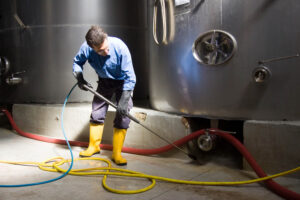
Janitorial camp services are the backbone of operational success in Canada’s energy sector, especially in remote oil and gas sites

Remote catering companies play a vital role in keeping workers safe, nourished, and productive across Canada’s industrial sectors. Whether supporting
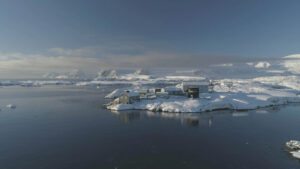
Exploration remote site services play a foundational role in enabling Canada’s most strategically important industries to operate in some of
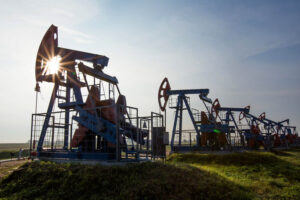
Selecting the right oil and gas facility maintenance provider is a pivotal decision for companies operating in Canada’s remote regions—from
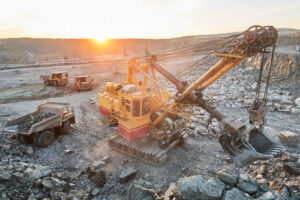
In Canada, mine camp management plays a key role in supporting workers at remote mining sites. These sites provide housing,
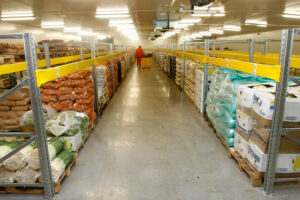
Remote food catering plays an important role in supporting workers across Canada’s most isolated job sites. Whether in the far
Remote camp maintenance jobs in Canada support the full lifecycle of temporary worksites—from setup (mobilization) to daily operations (maintenance) and