
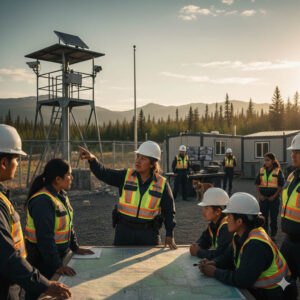
Remote Camp Security Through Indigenous Partnerships
Across Canada’s vast, isolated regions, ensuring remote camp security has become a top priority for organizations operating far from cities.

In the rugged, often isolated world of remote construction camps, construction facility management is the invisible force that sustains daily life. Across Canada, these camps span vast and challenging landscapes—from the boreal forests of Northern Ontario, to the mountainous corridors of British Columbia, and the expansive oil sands of Alberta. Whether perched on a rocky plateau, tucked into a snow-covered valley, or stationed along a remote access road, these temporary settlements rely on a dedicated team of professionals to function like resilient, livable communities.
These are not just worksites—they are homes away from home for hundreds of workers, often for weeks or months at a time. And behind every clean room, hot meal, and working generator is a team of remote camp service professionals quietly orchestrating the essentials. Their work is rarely spotlighted, yet it is foundational to safety, morale, and daily continuity in some of the country’s most demanding environments.
At its core, construction facility management involves overseeing and coordinating all the services that keep a remote construction camp running—from housing and sanitation to catering, maintenance, and logistics. In some of the harshest environments on earth—whether deep in the desert, in the mountains, or the Arctic—these professionals manage operations where there is no margin for error.
While many associate FM with logistics and infrastructure, its essence is deeply human. These professionals are responsible for the systems that support life: sanitation, power, food services, waste management, security, and emergency response. But their role goes far beyond technical upkeep. They are stewards of comfort, safety, and morale—especially in environments where isolation and fatigue are constant companions.
While often overlooked, their role in facility management in construction projects is essential. Without their planning and execution, even the best engineering plans would crumble under the pressure of poor living conditions, service delays, or health and safety risks.
Imagine arriving at a remote camp after a 12-hour shift in extreme heat. The difference between a well-maintained shower and a broken pipe isn’t just convenience—it’s dignity. A hot meal, a clean bed, and a functioning air conditioner aren’t luxuries; they’re lifelines.
From waste management to temperature control, from internet connectivity to equipment upkeep, these professionals ensure that every facet of camp life works as it should. The result? A workforce that can focus on the job at hand.
Running a remote camp is like managing a miniature city—with none of the usual urban infrastructure. FM teams must anticipate and respond to a wide range of challenges:
Each domain demands technical expertise, logistical finesse, and a deep understanding of human needs. And because remote camps operate in dynamic environments—subject to weather extremes, supply delays, and shifting project timelines—FM teams must be agile, resourceful, and relentlessly proactive.
To truly appreciate the impact of FM professionals, we must look beyond job descriptions and into the lived experiences of those who rely on them.
In remote camps, kitchen staff begin their day before sunrise, preparing meals for hundreds of workers. They remember who prefers oatmeal over eggs, who’s allergic to shellfish, and who’s struggling with homesickness. The kitchen isn’t just a place to eat—it’s a hub of connection and care, especially in construction remote food catering services environments.
Maintenance technicians work through the night to restore cooling systems after sandstorms or troubleshoot power outages in extreme weather. Their efforts prevent heat exhaustion, preserve equipment, and keep morale intact—critical in construction remote facility maintenance settings.
Facilities coordinators juggle vendor contracts, inventory logs, and staff schedules while fielding requests for mosquito nets, Wi-Fi boosters, and birthday cakes. Their work blends logistics, diplomacy, and emotional labor, especially vital in construction remote facility management operations.
These professionals don’t just keep the camp running—they keep it human.
In remote camps, where workers are far from family and familiar comforts, the emotional landscape is fragile. FM professionals play a quiet but powerful role in shaping that landscape—not just through infrastructure, but through empathy, consistency, and care.
When FM is done well, it’s invisible. When it’s done with heart, it’s unforgettable.
Despite their critical role, FM professionals in remote construction projects often face systemic challenges:
Addressing these challenges requires a cultural shift—one that values FM not as a cost center but as a cornerstone of project success. This means investing in training, celebrating achievements, and integrating FM voices into planning and decision-making. It also means recognizing the role of facility maintenance & construction as a strategic asset, not just an operational necessity.
Humanizing FM professionals starts with storytelling. It means replacing generic labels like “support staff” with names, faces, and lived experiences. It means recognizing that the success of a bridge, pipeline, or power plant is inseparable from the success of the camp that made it possible.
Incorporating FM perspectives into stakeholder reports, safety briefings, and community engagement strategies can elevate their visibility and impact. So can creating feedback loops where workers can share appreciation, suggestions, and stories about their camp experience—especially in construction remote facility services contexts.
What keeps remote camps running isn’t just infrastructure—it’s the people behind it, quietly sustaining daily life. These professionals are the heartbeat of daily operations, sustaining not just infrastructure but humanity. They are engineers of comfort, architects of morale, and guardians of dignity. As we celebrate the milestones of construction—groundbreakings, ribbon-cuttings, and project completions—let’s also honor the quiet triumphs of FM teams, the unsung heroes of construction facility management.
From power systems to food services, we deliver seamless construction facility management—so your teams can focus on building. Partner with the DOMCO Group today and elevate your remote camp operations.
Across Canada’s vast, isolated regions, ensuring remote camp security has become a top priority for organizations operating far from cities.
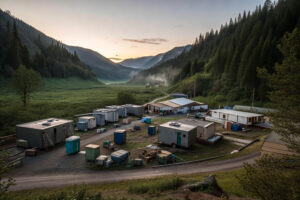
Industries working in isolated forest regions rely on forestry remote camp mobilization to ensure their teams are deployed quickly, safely,
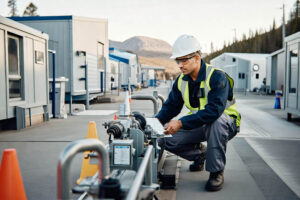
Resident camps in Canada are more than temporary housing sites for workers in industries like mining, forestry, energy, and construction.
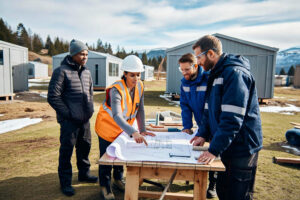
A remote facility is more than just a temporary shelter—it is a comprehensive hub designed to support workers and operations

The primary objective of hiring remote janitorial services in offsite construction camps is to uphold health, safety, and operational efficiency

Remote camp maintenance jobs play a vital role in Canada’s resource and industrial sectors, supporting mining, oil and gas, hydroelectric,
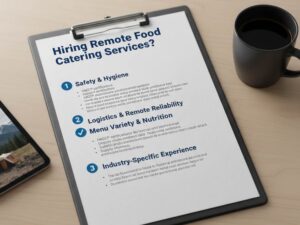
When planning a large-scale project in a challenging location, remote food catering becomes one of the most critical services to
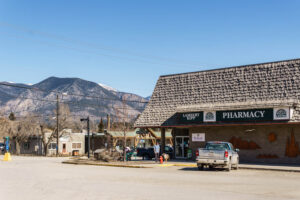
Remote health and safety is a critical component in the management and operation of Canadian field camps, especially those situated

Janitorial camp services are the backbone of operational success in Canada’s energy sector, especially in remote oil and gas sites

Remote catering companies play a vital role in keeping workers safe, nourished, and productive across Canada’s industrial sectors. Whether supporting
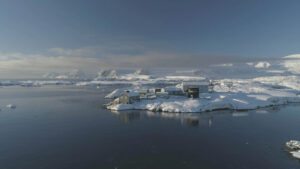
Exploration remote site services play a foundational role in enabling Canada’s most strategically important industries to operate in some of
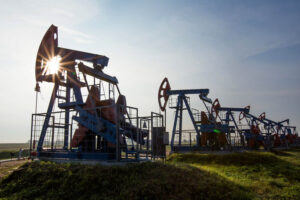
Selecting the right oil and gas facility maintenance provider is a pivotal decision for companies operating in Canada’s remote regions—from
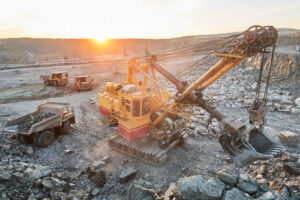
In Canada, mine camp management plays a key role in supporting workers at remote mining sites. These sites provide housing,
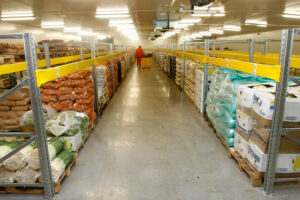
Remote food catering plays an important role in supporting workers across Canada’s most isolated job sites. Whether in the far
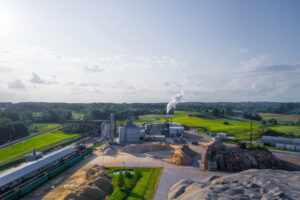
Remote camp maintenance jobs in Canada support the full lifecycle of temporary worksites—from setup (mobilization) to daily operations (maintenance) and