
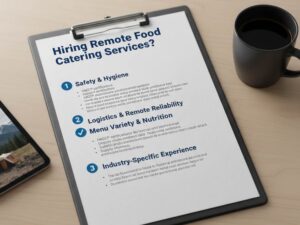
Checklist for Choosing the Best Remote Food Catering Partner
When planning a large-scale project in a challenging location, remote food catering becomes one of the most critical services to
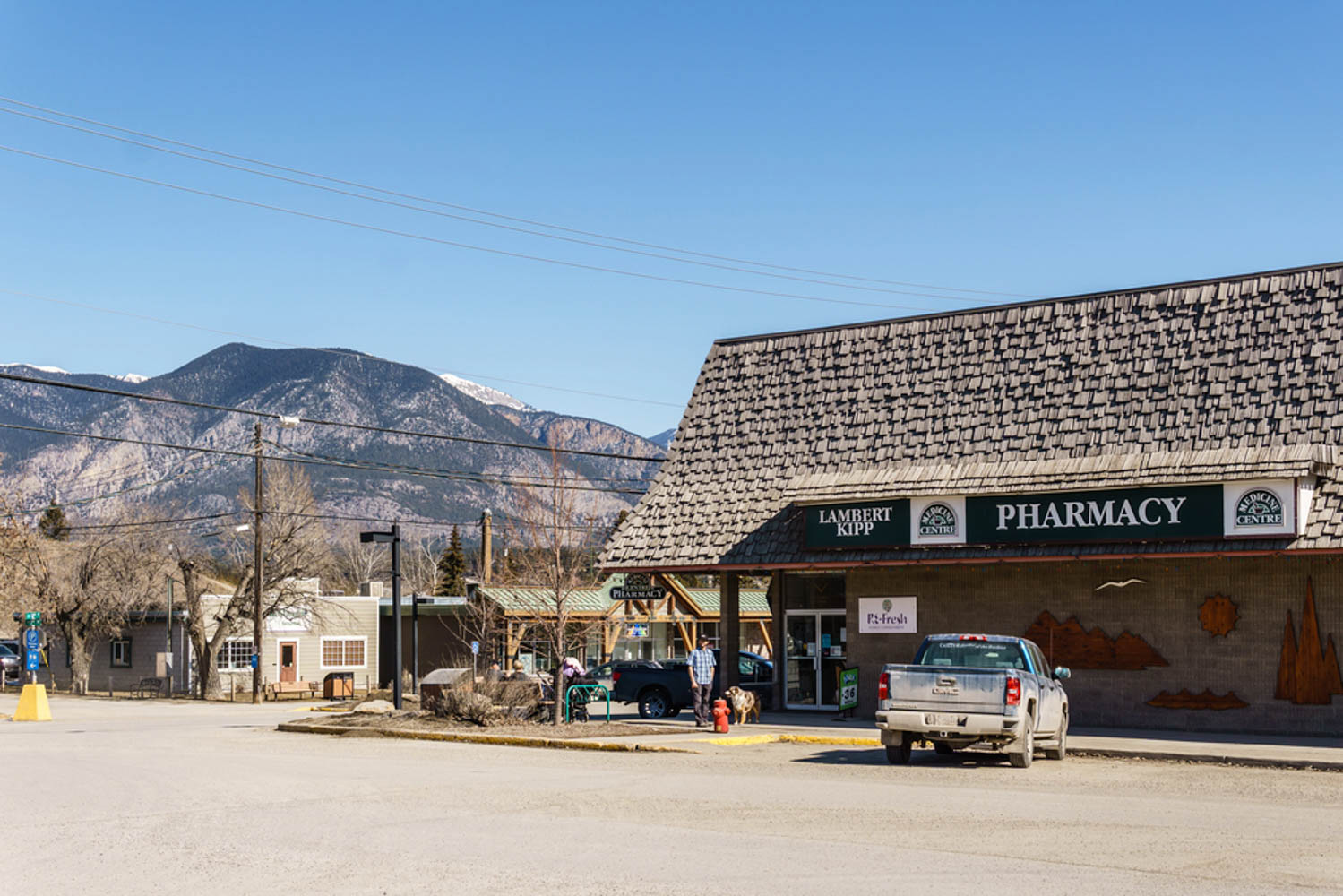
Remote health and safety is a critical component in the management and operation of Canadian field camps, especially those situated near Indigenous communities and in geographically isolated regions. Ensuring the wellbeing of workers while fostering respectful, meaningful relationships with local populations has become not just a legal requirement, but a moral imperative for industry leaders.
The term remote health and safety encompasses the protocols, services, infrastructure, and community engagement strategies designed to keep personnel safe, healthy, and supported while working in isolated industrial camps. These camps support major sectors like mining, oil and gas, forestry, and energy—industries that often operate on traditional Indigenous territories.
Remote worker camps, by nature, bring together large groups of transient workers for extended periods. This creates unique challenges related to health risks, cultural integration, environmental impact, and mental health. Thus, implementing inclusive health and safety strategies that involve Indigenous perspectives and prioritize community collaboration is vital for sustainable operations.
Today, many companies recognize that the success of their health and safety policy for remote workers depends largely on Indigenous engagement. Gone are the days when project approvals were pursued without community input. Now, companies work in partnership with Indigenous leaders to co-develop safety plans, cultural awareness training, and shared responsibilities.
These partnerships begin long before the first worker arrives on-site. Consultation processes with Indigenous communities often include:
In many cases, Indigenous knowledge keepers and Elders are invited to participate in the development of remote site health and safety protocols, ensuring cultural values and environmental stewardship are reflected in operational practices.
Employment and training are also central to these partnerships. Many companies prioritize hiring Indigenous workers for roles in:
This not only supports economic reconciliation but helps create culturally safe spaces within camps, where all workers can thrive with mutual respect and understanding.
Access to remote medical support is a non-negotiable element of health and safety in field camps. While the specific services vary based on location and camp size, many facilities employ:
Collaboration with Indigenous health authorities is also growing. These partnerships enhance access to care for both camp workers and local residents, ensuring rapid response during health emergencies or public health threats. Shared resources can include medical transport, communicable disease response plans, and culturally sensitive mental health services.
Food and hospitality services are often overlooked aspects of worker wellness. Yet, proper nutrition and living conditions significantly impact physical and mental health in isolated environments.
Many modular housing camps rely on remote site food catering services to deliver:
Some providers source ingredients from local suppliers or Indigenous-owned businesses, further supporting community partnerships.
In addition to food, wellness-focused remote camp catering services are incorporating:
These offerings align with broader remote working health and safety goals, helping workers stay energized and reducing the risk of fatigue-related incidents.
Sanitation is a major pillar of remote health and safety, particularly in high-traffic camps housing hundreds of workers. Services like remote cleaning, remote housekeeping, and janitorial camp services are essential not just for comfort—but for infection control and occupational safety.
Effective sanitation programs typically include:
Where possible, Indigenous workers are recruited into housekeeping and janitorial roles, promoting local employment and cultural inclusion. Training programs for remote housekeeping staff include both technical procedures and cultural awareness, ensuring respectful engagement with workers from diverse backgrounds.
Larger operations often rely on third-party providers of remote facility janitorial services to maintain strict hygiene standards, especially in ecologically sensitive areas.
Best practices in remote facility health and safety now extend beyond physical risks to address mental, emotional, and cultural wellbeing. Joint training programs with Indigenous communities are becoming standard, covering areas such as:
These sessions are often offered to both camp staff and local residents, encouraging mutual respect and shared responsibility.
In addition, many companies now conduct comprehensive remote site health and safety assessments that integrate Indigenous knowledge into hazard identification and risk mitigation strategies. These collaborative approaches help build more resilient and culturally attuned health and safety systems.
Transparent communication is key to building lasting relationships with Indigenous partners. Effective engagement strategies often include:
Some organizations use real-time monitoring systems to track health and safety remote working conditions, allowing both Indigenous leadership and company stakeholders to respond quickly to emerging issues—from extreme weather to security alerts.
By embedding these practices into daily operations, companies foster transparency, trust, and a stronger safety culture.
The infrastructure of a remote facility directly affects the health and safety of its occupants. Remote camp maintenance must ensure:
In some regions, Indigenous construction firms or apprentices are involved in camp builds and maintenance work. This opens the door to knowledge sharing and capacity building while reinforcing culturally respectful construction practices.
Companies also explore traditional design elements or materials where appropriate, especially when camps are located on Indigenous land.
As Canadian industries continue to expand into remote regions, the health and wellbeing of workers and nearby Indigenous communities remain a top priority. Meaningful collaboration, transparent communication, and culturally inclusive practices are proving essential in building trust and promoting long-term sustainability. From medical support and sanitation to training and employment, every element of camp life can become a vehicle for community engagement when approached with respect and intention. The success of these efforts will ultimately shape the future of remote health and safety across Canada’s industrial landscape.
Partner with a trusted leader in remote workforce solutions. Contact the Domco Group today to learn how we can support your project with tailored health, safety, and community-driven services.
When planning a large-scale project in a challenging location, remote food catering becomes one of the most critical services to
Remote health and safety is a critical component in the management and operation of Canadian field camps, especially those situated
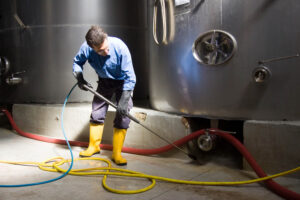
Janitorial camp services are the backbone of operational success in Canada’s energy sector, especially in remote oil and gas sites

Remote catering companies play a vital role in keeping workers safe, nourished, and productive across Canada’s industrial sectors. Whether supporting
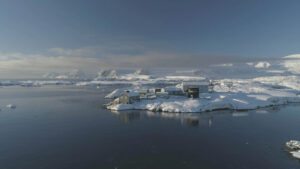
Exploration remote site services play a foundational role in enabling Canada’s most strategically important industries to operate in some of
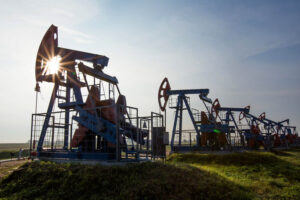
Selecting the right oil and gas facility maintenance provider is a pivotal decision for companies operating in Canada’s remote regions—from
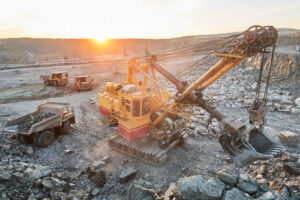
In Canada, mine camp management plays a key role in supporting workers at remote mining sites. These sites provide housing,
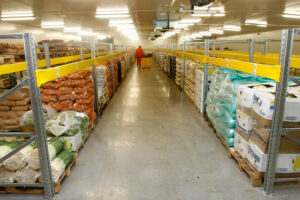
Remote food catering plays an important role in supporting workers across Canada’s most isolated job sites. Whether in the far
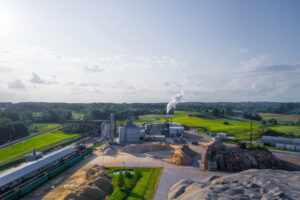
Remote camp maintenance jobs in Canada support the full lifecycle of temporary worksites—from setup (mobilization) to daily operations (maintenance) and

Remote catering companies play a vital role in supporting Canada’s vast and varied industries, especially those operating in isolated or

Oil and gas facilities management is a complex and critical discipline that ensures energy operations in Canada’s most remote locations
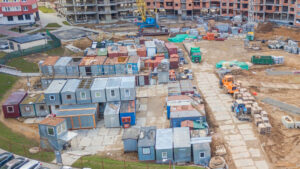
In the rugged, often isolated world of remote construction camps, construction facility management is the invisible force that sustains daily

Remote maintenance is the backbone of operational continuity in Canadian work camps, especially those located in isolated regions supporting industries
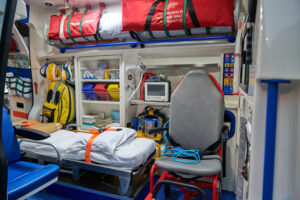
Remote camp health and safety is a vital concern in the management of Canadian remote workforce camps, especially in resource-driven

Keeping crews energized and satisfied starts with smart camp food menu ideas—especially in remote environments where morale and nutrition go