
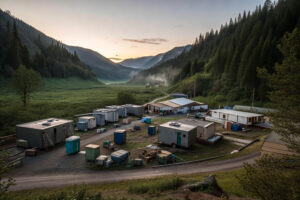
Forestry Remote Camp Mobilization Strategies That Work
Industries working in isolated forest regions rely on forestry remote camp mobilization to ensure their teams are deployed quickly, safely,

The process of gas remote camp mobilization in Canada is a critical operation that supports the development and maintenance of gas extraction and processing sites in remote and often harsh environments. With increasing activity in Canada’s vast natural gas sector—particularly in regions such as British Columbia, Alberta, and parts of Northern Canada—establishing functional and sustainable camps in remote areas is not only a logistical challenge but a vital step toward project success. Canada ranks 5th globally in natural gas production, generating over 190 billion cubic meters annually, making efficient camp mobilization a foundational element in sustaining this high-output industry.
This process involves the planning, transportation, construction, and operational setup of camps that support workforce and infrastructure at isolated gas field locations.
These camps vary in size and complexity:
Mobilizing these camps involves:
A qualified camp management company is essential for success. These companies oversee every stage of camp development, from design to daily operations.
They provide services such as:
In the context of gas remote camp management, the goal is to build not just a functional remote work camp—but a livable environment that keeps workers safe, healthy, and productive.
In addition to essential services, some camp management companies also offer remote security systems such as surveillance towers, motion-triggered cameras, and centralized monitoring to protect high-value assets and ensure personnel safety in isolated locations.
The logistics of gas remote camp services are complex and must begin well in advance of project mobilization. Strategic planning ensures that all resources, infrastructure, and personnel arrive on time and that the camp can be operational under extreme environmental and geographic constraints.
Key planning considerations include:
Planning also includes considerations for remote site access controls, ensuring only authorized personnel and vehicles can enter critical work zones, often using digital passes, geofencing, or biometric checkpoints.
Critical components mobilized:
Careful coordination with transport companies is essential to manage heavy loads, seasonal access restrictions, and the sequencing of delivery for all components. Timing, route planning, and weather forecasting play critical roles in ensuring successful and cost-efficient mobilization of camp infrastructure.
Once the camp is established, maintaining operations in a remote area requires a combination of expertise, automation, and redundancy. Without reliable infrastructure and ongoing support systems, even well-built camps can experience operational disruptions that impact productivity, safety, and timelines.

One of the most valued aspects of remote work camps is access to reliable, nutritious meals. That’s where gas food catering services come in.
Services typically include:
Larger camps may also provide gas remote food catering services integrated with recreation and wellness amenities such as:
These services improve morale, lower turnover, and support physical and mental health in high-stress work environments.
Canada enforces strict environmental and safety standards on all industrial activities—especially those operating in remote and sensitive areas.
Compliance Measures Include:
The use of specialized buildings like an explosion proof portable building ensures safety in areas with high concentrations of volatile gases or flammable materials.
In many projects, local Indigenous communities are active partners in planning, construction, and operations—helping ensure economic inclusion and environmental stewardship.
Sustainable practices are no longer optional—they’re expected. Many operators now prioritize green technologies and flexible construction models to meet evolving standards and reduce environmental impact.
Notable innovations in gas remote camp mobilization:
With the adoption of these technologies, camps are becoming smarter, safer, and more efficient.
Establishing and operating remote camps in Canada’s gas sector demands a strategic blend of planning, logistics, infrastructure, and workforce support. From modular construction and scalable designs to renewable energy integration and Indigenous engagement, the requirements for success are both technical and human. As the industry continues to push into more isolated and environmentally sensitive regions, the importance of safety, sustainability, and innovation will only grow. In this evolving landscape, the ability to execute efficient and compliant gas remote camp mobilization will remain a defining factor in long-term project success.
Ensure the success of your remote gas operations.
Contact the Domco Group today and schedule a consultation with our experienced team to explore tailored solutions for your remote camp mobilization needs.
Industries working in isolated forest regions rely on forestry remote camp mobilization to ensure their teams are deployed quickly, safely,
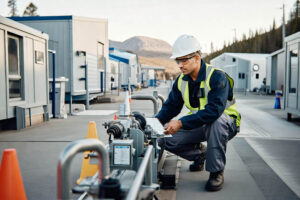
Resident camps in Canada are more than temporary housing sites for workers in industries like mining, forestry, energy, and construction.
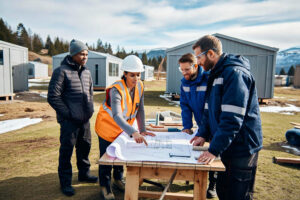
A remote facility is more than just a temporary shelter—it is a comprehensive hub designed to support workers and operations

The primary objective of hiring remote janitorial services in offsite construction camps is to uphold health, safety, and operational efficiency

Remote camp maintenance jobs play a vital role in Canada’s resource and industrial sectors, supporting mining, oil and gas, hydroelectric,

When planning a large-scale project in a challenging location, remote food catering becomes one of the most critical services to
Remote health and safety is a critical component in the management and operation of Canadian field camps, especially those situated
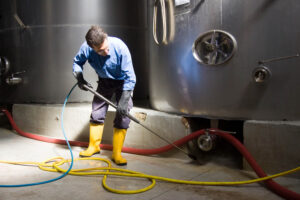
Janitorial camp services are the backbone of operational success in Canada’s energy sector, especially in remote oil and gas sites

Remote catering companies play a vital role in keeping workers safe, nourished, and productive across Canada’s industrial sectors. Whether supporting
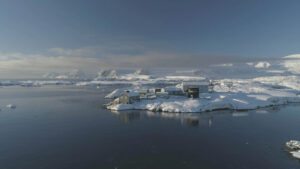
Exploration remote site services play a foundational role in enabling Canada’s most strategically important industries to operate in some of
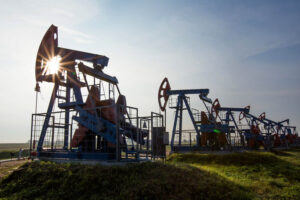
Selecting the right oil and gas facility maintenance provider is a pivotal decision for companies operating in Canada’s remote regions—from
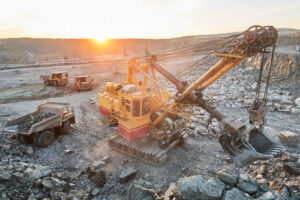
In Canada, mine camp management plays a key role in supporting workers at remote mining sites. These sites provide housing,
Remote food catering plays an important role in supporting workers across Canada’s most isolated job sites. Whether in the far
Remote camp maintenance jobs in Canada support the full lifecycle of temporary worksites—from setup (mobilization) to daily operations (maintenance) and

Remote catering companies play a vital role in supporting Canada’s vast and varied industries, especially those operating in isolated or