
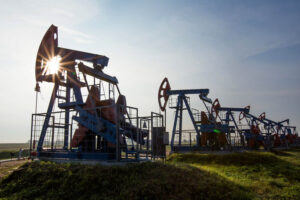
Choosing the Right Oil and Gas Facility Maintenance Partner
Selecting the right oil and gas facility maintenance provider is a pivotal decision for companies operating in Canada’s remote regions—from

Remote site administration is a vital function in Canada’s most geographically isolated and operationally demanding environments. From the Arctic’s frozen landscapes to the dense boreal forests of British Columbia, industries working in hard-to-access regions depend on specialized systems to manage logistics, personnel, and day-to-day operations.
Each sector faces distinct challenges. Mining focuses on equipment coordination and safety, energy companies prioritize infrastructure and environmental monitoring, construction teams depend on reliable supply chains, and scientific researchers often work with limited resources in hard-to-reach areas.
Though the goals—efficiency, safety, and sustainability—are shared, the methods vary widely. Success depends on adapting oversight strategies to the unique demands of each industry and location across Canada’s vast and varied landscape.
The mining industry, particularly in Canada’s northern territories, faces some of the most extreme logistical challenges. Diamond mine camp management requires robust infrastructure to support large teams for months at a time in areas that are often inaccessible by road. Here, remote site administration focuses on ensuring reliable communication channels, emergency preparedness, and consistent power and water supply.
Supporting services in isolated mining camps often include:
Well-coordinated logistics and safety protocols are essential for productivity and worker morale in these isolated environments.
In the oil and gas sector, energy remote camp management is centered around safety, environmental stewardship, and efficiency. With operations spread over vast and sometimes hazardous areas, remote site health and safety standards are especially stringent.
Core strategies for isolated site operations in the energy sector include:
Additionally, oil and gas facility maintenance teams operate on rotational shifts, requiring detailed planning to manage schedules and supplies. High morale is sustained through access to modern amenities, fitness facilities, and clean, comfortable accommodations.
Large infrastructure and industrial construction projects often take place in isolated regions, presenting unique logistical challenges. Construction remote site management involves careful planning and mobilization of resources and workforce.
Unlike other industries, construction projects are typically time-bound and require rapid setup and teardown. Modular infrastructure and on-site support services are crucial, including:
These services contribute to smoother operations and improved safety across fast-paced and ever-changing construction sites.
Operations in hard-to-access forestry areas demand thoughtful planning and sustainable approaches. In this industry, forestry remote facility maintenance plays a pivotal role in minimizing environmental impact while ensuring safety and efficiency.
Operations often run in partnership with local or Indigenous communities and emphasize:
Due to the challenging and isolated conditions of forestry operations, ensuring access, communication, and worker health is a key concern.
From Arctic climate stations to inland biological observatories, research remote site management is shaped by the goals of sustainability, data security, and team safety. Research teams tend to be small but highly specialized, staying for extended periods without frequent resupply.
These sites often include:
Because of the unique materials researchers may handle, remote facility janitorial services are crucial to avoid contamination and to support strict research protocols.
Despite sector-specific nuances, many challenges in remote site administration are shared across all industries. Harsh climates, limited transportation options, and the need for self-sufficiency demand reliable solutions. In response, most off-grid operations now integrate:
The COVID-19 pandemic accelerated the development of new remote site health and safety protocols, such as quarantine procedures, wellness screenings, and medical preparedness. Environmental priorities have also pushed industries to incorporate greener practices such as remote site landscaping with native species and solar-powered infrastructure.
One element common to all off-site industries is the emphasis on human well-being. Long shifts in isolated conditions can be physically and mentally taxing. To address this, off-grid operations increasingly offer:
Industries working in traditional territories also prioritize local employment, training programs, and shared governance frameworks. These efforts not only improve morale but also build trust and long-term partnerships.
In Canada, the way isolated work sites are managed varies significantly by industry, shaped by operational demands, environmental conditions, and workforce needs. Whether it’s managing a diamond mine camp in the Arctic or overseeing a research outpost in the Yukon, tailored strategies ensure that off-grid sites remain productive, safe, and sustainable. Each sector brings its own best practices, technologies, and challenges to the table. Ultimately, the success of these operations hinges on the ability to adapt to diverse environments while supporting both operational goals and human well-being through effective remote site administration.
From camp services to facility maintenance, we deliver tailored solutions for Canada’s most remote industries. Contact the Domco Group today to learn how we can support your team.
Selecting the right oil and gas facility maintenance provider is a pivotal decision for companies operating in Canada’s remote regions—from
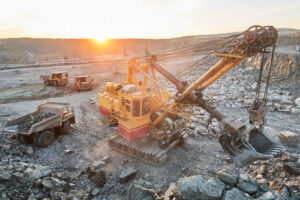
In Canada, mine camp management plays a key role in supporting workers at remote mining sites. These sites provide housing,
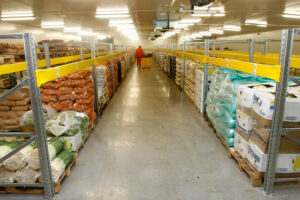
Remote food catering plays an important role in supporting workers across Canada’s most isolated job sites. Whether in the far
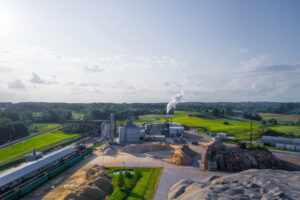
Remote camp maintenance jobs in Canada support the full lifecycle of temporary worksites—from setup (mobilization) to daily operations (maintenance) and

Remote catering companies play a vital role in supporting Canada’s vast and varied industries, especially those operating in isolated or
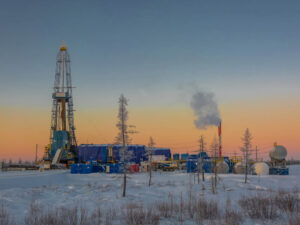
Oil and gas facilities management is a complex and critical discipline that ensures energy operations in Canada’s most remote locations
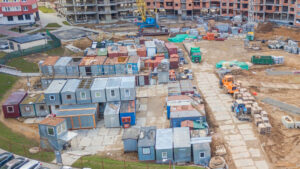
In the rugged, often isolated world of remote construction camps, construction facility management is the invisible force that sustains daily

Remote maintenance is the backbone of operational continuity in Canadian work camps, especially those located in isolated regions supporting industries
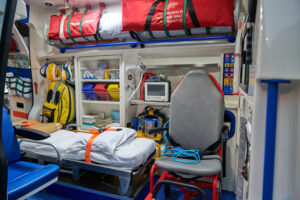
Remote camp health and safety is a vital concern in the management of Canadian remote workforce camps, especially in resource-driven

Keeping crews energized and satisfied starts with smart camp food menu ideas—especially in remote environments where morale and nutrition go

Gas remote camp mobilization is a critical operational phase in Canada’s oil and gas industry, particularly in remote and northern

When it comes to remote site security in Canadian work camps, ensuring safety and protection is paramount. These facilities, often

In Canada’s vast and resource-rich landscapes, remote site maintenance plays a pivotal role in sustaining the operations of work camps

In Canada’s vast and often isolated regions, remote camp management plays a vital role in advancing sustainability across diverse work

Remote site administration is a vital function in Canada’s most geographically isolated and operationally demanding environments. From the Arctic’s frozen