
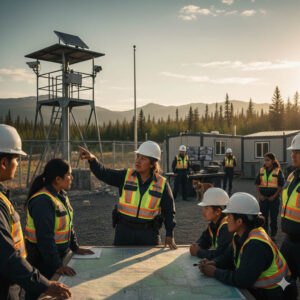
Remote Camp Security Through Indigenous Partnerships
Across Canada’s vast, isolated regions, ensuring remote camp security has become a top priority for organizations operating far from cities.

Oil and gas facilities management is a complex and critical discipline that ensures energy operations in Canada’s most remote locations run efficiently, safely, and sustainably. From the frozen terrain of the Northwest Territories to the isolated oil sands of Alberta, full-scope services are essential to support every stage of the project lifecycle—starting from initial setup and running through to final shutdown and site remediation.
For operators working in these harsh and logistically demanding environments, partnering with an experienced, end-to-end service provider is not just a convenience—it’s a strategic necessity. Effective facilities management can significantly reduce downtime, extend asset life, optimize production, and maintain compliance with Canada’s stringent regulatory standards. Beyond technical maintenance, providers must also deliver robust support for workforce accommodations, utilities, emergency services, and environmental stewardship, all tailored to remote conditions where self-sufficiency is paramount.
Choosing the right partner means gaining the operational confidence to focus on your core business, knowing that your facility—and your people—are in capable hands at every phase of development.
Launching a successful facility in Canada’s remote oil and gas regions starts long before the first piece of equipment arrives on site. During the setup phase, project planners must consider logistics, weather, environmental concerns, and community relations.
At this stage, early involvement of a full-service oil and gas facilities management partner is essential. These firms work collaboratively with engineering and procurement teams to ensure that facilities are designed with operational efficiency, regulatory compliance, and long-term maintenance in mind.
Key tasks during setup include:
Experienced partners also help secure necessary regulatory approvals, Indigenous consultation, and environmental assessments—an especially important step in Canada’s northern and Indigenous territories.
Once the site is operational, the scope of facility management in oil and gas industry settings becomes even broader. This phase typically spans years or decades and includes both day-to-day operations and strategic asset management.
Core responsibilities include:
Oil and gas facility maintenance is at the heart of reliable operations. This includes preventive maintenance programs, corrective repairs, condition monitoring, and reliability engineering. Maintenance teams ensure rotating equipment, pressure systems, and safety devices function optimally to prevent downtime and meet production goals.
Power generation, water treatment, and waste handling are critical in remote environments where grid access is limited or nonexistent. Teams are responsible for ensuring energy efficiency, compliance with emissions regulations, and proper waste disposal.
Many service providers offer full oil and gas plant operation and maintenance, covering process optimization, control room staffing, instrumentation, and mechanical services. These teams help sustain high uptime, improve throughput, and support HSE (Health, Safety, Environment) targets.
Beyond production infrastructure, attention must be given to accommodations, roads, airstrips, and administrative facilities. Proper oil facility maintenance and gas facility maintenance extend to HVAC systems, kitchens, recreational areas, and communication infrastructure.
Operating in remote locations requires more than technical expertise—it requires comprehensive support systems to care for personnel. A full-scope oil and gas facilities management provider also includes:
Comfortable, safe, and efficient housing is essential to worker well-being. Teams manage camp design, housekeeping, food services, recreation, and sanitation as part of broader remote camp management services.
Medical staff, emergency response, and occupational health programs are non-negotiables in remote, high-risk environments. Safety audits, training, and emergency drills are also part of the responsibilities of service providers.
Whether it’s transporting parts or managing fuel supplies, logistics are a constant challenge in remote sites. Strategic partners provide inventory management, procurement, and delivery coordination to keep operations moving.
Canadian oil and gas projects must meet some of the world’s most stringent regulatory requirements. Full-scope service partners assist with:
Digital tools now play a bigger role in gas facility management. Remote sensors, SCADA systems, and asset management platforms allow for predictive maintenance, real-time monitoring, and performance analytics—all vital in large, isolated operations.
Eventually, every oil or gas facility reaches the end of its life. Whether due to resource depletion, economic shifts, or environmental obligations, responsible decommissioning is critical.
A full-scope oil and gas facilities management firm brings together the necessary expertise to:
Proper planning for shutdown often starts years in advance and includes community engagement, financial planning, and regulatory approval processes. Partnering with experienced providers ensures this final phase is completed ethically and sustainably, leaving behind minimal environmental impact.
When selecting a provider for full-scope management of remote facilities, Canadian buyers should consider:
Ideally, a partner should not just maintain assets but also improve them over time, enhancing efficiency, reducing cost, and minimizing environmental footprint.
Operating in Canada’s remote oil and gas regions requires a specialized, full-scope approach that integrates technical operations, infrastructure upkeep, personnel support, and long-term planning. From the earliest stages of construction to the final steps of decommissioning, comprehensive oil and gas facilities management is the foundation for successful, safe, and sustainable operations in these challenging environments.
DOMCO’s full-scope oil and gas facilities management services are built to meet Canadian standards from setup to shutdown. Request a quote or speak with our team today.
Across Canada’s vast, isolated regions, ensuring remote camp security has become a top priority for organizations operating far from cities.
Industries working in isolated forest regions rely on forestry remote camp mobilization to ensure their teams are deployed quickly, safely,
Resident camps in Canada are more than temporary housing sites for workers in industries like mining, forestry, energy, and construction.
A remote facility is more than just a temporary shelter—it is a comprehensive hub designed to support workers and operations
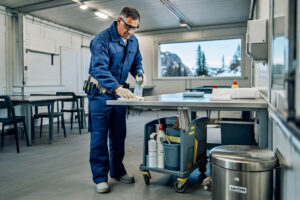
The primary objective of hiring remote janitorial services in offsite construction camps is to uphold health, safety, and operational efficiency

Remote camp maintenance jobs play a vital role in Canada’s resource and industrial sectors, supporting mining, oil and gas, hydroelectric,

When planning a large-scale project in a challenging location, remote food catering becomes one of the most critical services to
Remote health and safety is a critical component in the management and operation of Canadian field camps, especially those situated

Janitorial camp services are the backbone of operational success in Canada’s energy sector, especially in remote oil and gas sites

Remote catering companies play a vital role in keeping workers safe, nourished, and productive across Canada’s industrial sectors. Whether supporting
Exploration remote site services play a foundational role in enabling Canada’s most strategically important industries to operate in some of
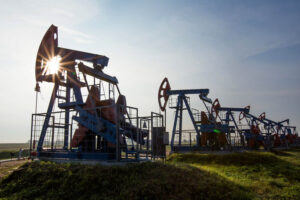
Selecting the right oil and gas facility maintenance provider is a pivotal decision for companies operating in Canada’s remote regions—from
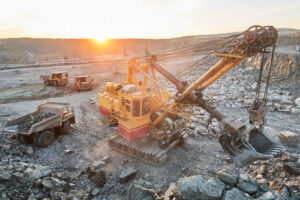
In Canada, mine camp management plays a key role in supporting workers at remote mining sites. These sites provide housing,
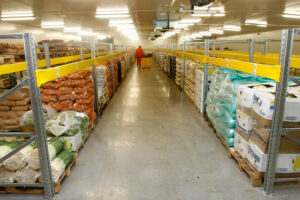
Remote food catering plays an important role in supporting workers across Canada’s most isolated job sites. Whether in the far
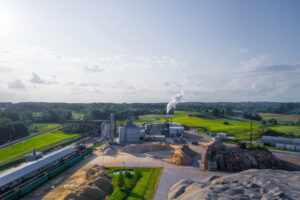
Remote camp maintenance jobs in Canada support the full lifecycle of temporary worksites—from setup (mobilization) to daily operations (maintenance) and