

How Remote Housekeeping Provides Comfort and Cleanliness in Camp Operations
Across Canada’s resource-driven economy, workforce accommodations play a critical role in keeping major projects running smoothly. In sectors such as
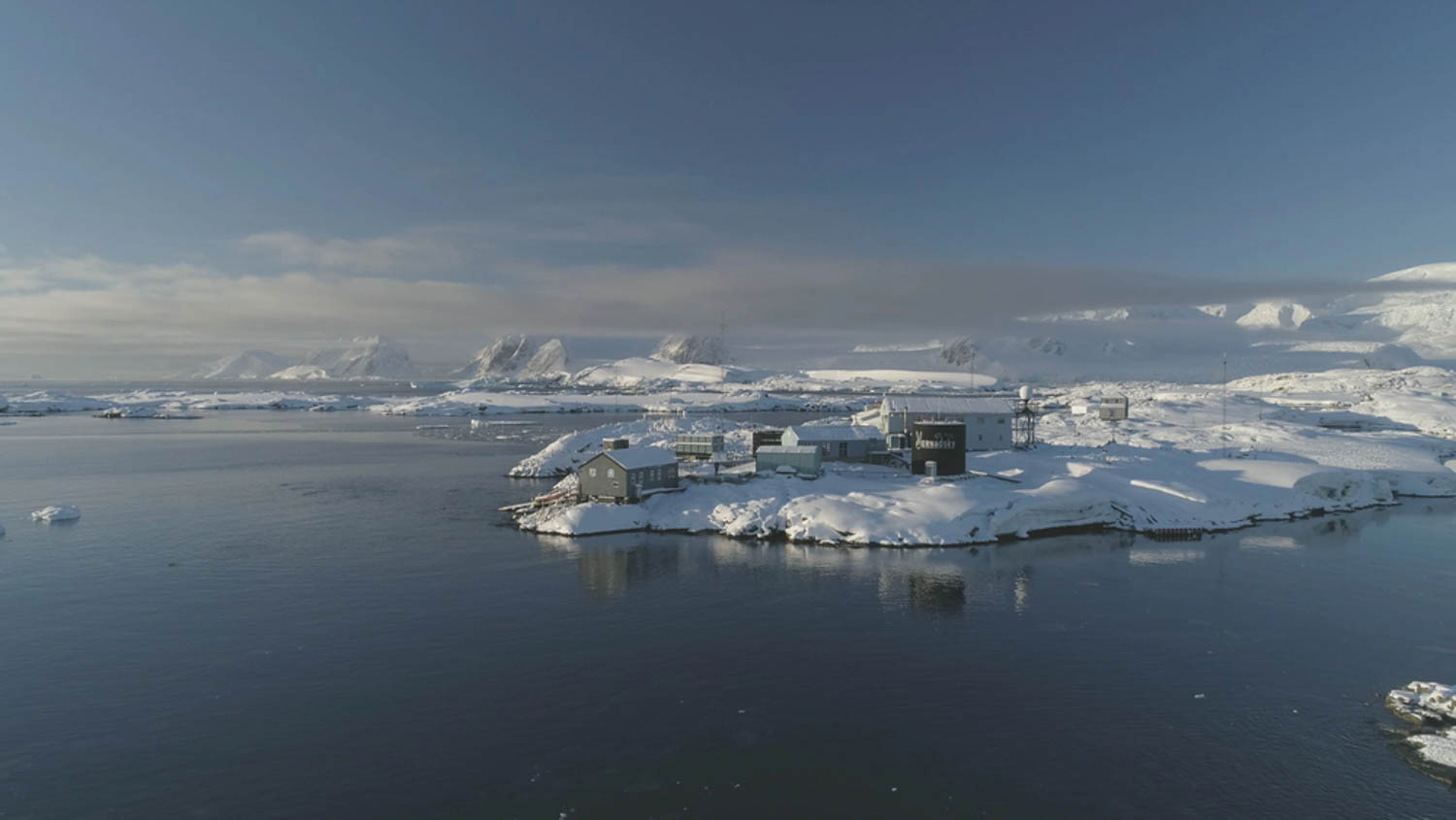
Exploration remote site services play a foundational role in enabling Canada’s most strategically important industries to operate in some of the world’s harshest and most remote environments. As Canada continues to expand its presence across the North and strengthen its resource-based sectors—mining, energy, environmental research, and critical infrastructure development—the ability to establish efficient, safe, and fully supported remote operations has become essential. These services ensure that workers, equipment, and field programs have the stability and logistical backbone required to explore new frontiers while upholding the high standards of safety, sustainability, and operational excellence expected of Canadian enterprises.
Canada’s geography presents both immense opportunity and immense challenge. The country possesses some of the world’s richest mineral reserves, vast freshwater systems, expansive forests, emerging hydrogen and renewable energy zones, and territories at the forefront of climate research. What ties many of these regions together is their remoteness—areas unreachable by road for most of the year or accessible only by aircraft, winter roads, or specialized vehicles.
Strategic sectors depend on infrastructure and personnel who can thrive in these conditions. Delivering reliable support services to these remote areas ensures that national objectives—resource security, energy independence, northern development, and climate research—can advance without interruption. Remote support is no longer a peripheral requirement; it is the operational backbone of critical field activities.
Today’s service providers offer more than temporary camps or basic maintenance. They create turnkey operational ecosystems that allow teams to function safely and productively for weeks or months at a time. These include:
One example is the integration of remote facility janitorial services, which ensures that living and working areas remain clean, hygienic, and compliant with environmental standards. These services are being enhanced by newer sanitation technologies and digital monitoring tools that allow teams to maintain strict cleanliness in harsh climates.
Delivering essential support in the field requires a multi-layered approach. Remote exploration camps often function as self-contained communities, providing living spaces, meal services, waste management systems, communication networks, and emergency response tools. Every component must be carefully managed to maintain continuity of operations in places where even minor disruptions can result in costly delays.
High-quality remote camp maintenance is essential to ensure that structures remain secure against extreme weather and mechanical systems function at full capacity. This includes:
Equally important is exploration facility management, which oversees everything from supply chain logistics to site administration. Coordinating personnel movement, equipment deliveries, and emergency protocols allows field teams to focus on core exploration activities.
Some sites require specialized exploration remote facility maintenance, which may involve servicing:
These specialized facilities are central to Canada’s ambitions in climate science, critical mineral exploration, and sustainable energy production.
Human factors are central to remote operations. Worker well-being directly affects productivity, morale, and retention. Camps equipped with efficient accommodation, reliable heating, quality meals, and clean facilities allow crews to focus on demanding fieldwork.
Another integral component is the provision of remote site services, which encompasses:
When these elements function seamlessly, field projects remain on schedule and teams remain safe.
Supporting the initial establishment of new field locations often involves exploration remote camp mobilization, which requires:
Once operational, effective exploration camp management ensures that:
Modern camp managers also use digital tools to oversee scheduling, safety reporting, and real-time communication with headquarters.
Nutritional quality has also become a core focus, leading to improvements in exploration remote food catering services. Meal programs are now designed to support sustained physical activity, accommodate dietary needs, and improve morale through variety and freshness.
Cleanliness and comfort remain central to workforce well-being. Teams rely on remote site housekeeping to ensure living quarters remain tidy, sanitary, and functional. These services are complemented by remote facility cleaning, which focuses on common areas, operational spaces, and sanitation zones, helping to reduce illness and improve hygiene.
In remote environments, safety is non-negotiable. Many operations take place far from the nearest hospital or emergency services. This increases the importance of robust remote working health and safety protocols, including:
Field operations also depend heavily on remote medical support, which can include:
Ensuring workers have appropriate living arrangements and rest cycles is also critical. Efficient room management systems help track:
This supports both operational efficiency and worker comfort.
As Canada pushes toward sustainability and net-zero commitments, remote site service providers are incorporating greener technologies and eco-conscious workflows. Key innovations include:
Technological integration is also transforming remote fieldwork. Sensors, drones, and digital asset monitoring tools help teams track equipment performance, weather conditions, and environmental impacts in real time. These advancements support faster decision-making and minimize operational risks while maintaining environmental responsibility.
Canada’s strategic industries depend on reliable, efficient, and forward-thinking remote operational support to pursue exploration, research, and development in some of the world’s most challenging regions. By integrating advanced logistics, worker-centric services, sustainability principles, and strong safety standards, service providers ensure that Canada remains competitive and resilient as it expands into new territories. Ultimately, the continued evolution of exploration remote site services will remain essential to the nation’s future.
Partner with the Domco Group, a trusted leader in exploration remote site services—from camp mobilization to medical support, we deliver safe, efficient, and fully integrated solutions tailored to Canada’s strategic sectors. Contact us today to build your next exploration site with confidence.
Across Canada’s resource-driven economy, workforce accommodations play a critical role in keeping major projects running smoothly. In sectors such as
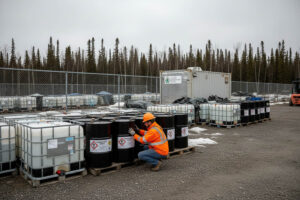
Remote operations in Canada involve multiple integrated systems working together — including accommodation, logistics, safety, and environmental controls. In sectors
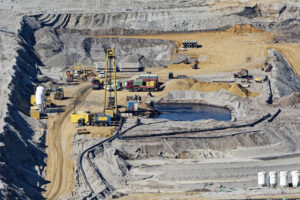
Mining in Canada isn’t just about extracting resources — it’s about sustaining teams through remote camp services in Canadian mining
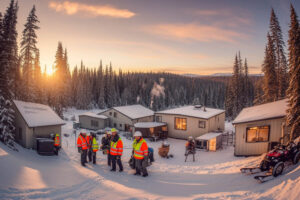
When comparing modular camps vs remote camps, many companies in Canada assume the terms mean the same thing. While the

In places like Fort McMurray’s oil sands or Kitimat’s LNG projects, remote catering companies play a vital role in supporting
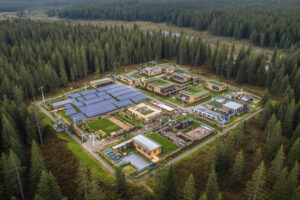
As industrial activity expands into environmentally sensitive regions, sustainable remote camp services Canada are becoming essential to balancing operational efficiency
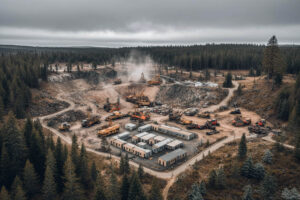
Across vast and isolated regions, remote camp services in Canada play a crucial role in enabling industries to operate efficiently
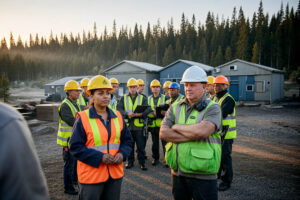
Effective remote site management is crucial for organizations operating in Canada’s isolated work environments, such as oil sands sites in
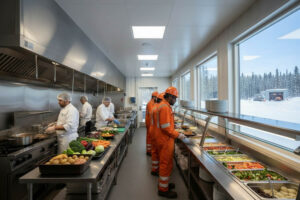
Remote site food catering services play a crucial role in sustaining Canada’s diverse industries, from mining and oil to forestry
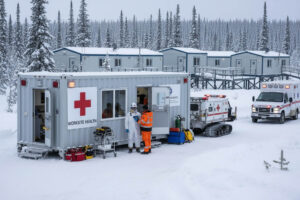
Remote site medical support plays a critical role in safeguarding the health and safety of employees working in Canada’s most
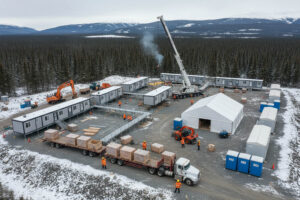
Mobilizing operations in challenging environments requires precision, planning, and expertise. That’s why remote camp mobilization is at the heart of
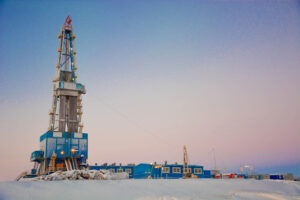
In demanding industrial environments, maintaining safety and stability is essential, and remote site security plays a critical role in protecting
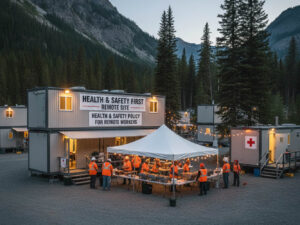
In Canada’s vast and rugged resource sectors, remote health and safety is a cornerstone of operational success and worker wellbeing.
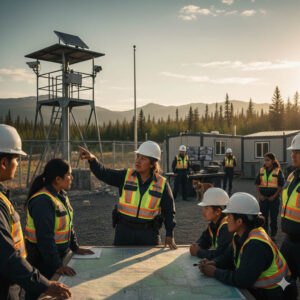
Across Canada’s vast, isolated regions, ensuring remote camp security has become a top priority for organizations operating far from cities.
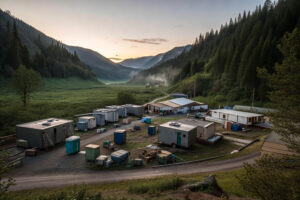
Industries working in isolated forest regions rely on forestry remote camp mobilization to ensure their teams are deployed quickly, safely,