
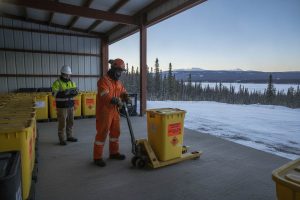
Remote Camp Hazardous Waste Checklist Canada: Compliance & Operations Guide
Remote operations in Canada take place in challenging environments where multiple systems must work together smoothly — including accommodation, logistics,
When planning a large-scale project in a challenging location, remote food catering becomes one of the most critical services to secure. Whether you’re managing a mining operation, an oil exploration site, or a forestry camp, the quality of catering directly impacts worker morale, productivity, and health. Choosing the right provider requires careful evaluation, and this checklist will guide you through the essential factors to consider before signing a contract.
Experience is the cornerstone of reliable service. A company that has successfully managed catering in rugged or isolated environments will anticipate challenges before they arise.
A provider with industry-specific expertise can adapt quickly. For instance, a catering team accustomed to mining camps will know how to serve large groups efficiently, while one experienced in forestry projects will design hearty meals for crews working outdoors all day.
Safety is non-negotiable. Foodborne illness or poor hygiene can derail productivity and damage morale.
Beyond food safety, the company should also demonstrate awareness of occupational hazards in remote sites. For example, kitchens in oil or gas facilities must follow strict fire safety protocols.
Workers in remote sites need balanced meals that sustain energy and focus. A monotonous menu can quickly lead to dissatisfaction.
Consider dietary restrictions and preferences. A diverse workforce may include vegetarians, people with allergies, or those observing religious dietary laws. The right catering company will accommodate these needs without compromising quality.
Different industries have unique catering needs:
Choosing a provider with direct experience in your sector ensures they understand the nuances of your project.
The quality of meals depends on the expertise of remote facility chefs.
Remote sites consistently face challenges with transportation and storage.
Ask how they handle emergencies. For instance, if a shipment is delayed due to weather, do they have backup supplies?
Modern projects emphasize sustainability.
In particular, forestry projects often benefit from partnerships with local farms, which provide fresh produce while supporting the regional economy.
Budgeting for catering is complex. Costs include food, labor, logistics, and overhead.
A transparent provider will explain how costs fluctuate with crew size, menu changes, or supply chain challenges.
Reputation speaks volumes.
Look for testimonials from projects similar to yours. A company praised for adaptability in harsh climates is likely a strong candidate.
Before committing to a long-term contract, consider a short-term trial.
During the trial, gather feedback from workers. Their satisfaction is the best indicator of success.
Hiring the right catering provider for a remote project is not just about feeding workers—it’s about sustaining productivity, morale, and safety in challenging environments. By following this checklist, you can evaluate providers based on experience, compliance, menu quality, industry specialization, staffing, logistics, sustainability, cost transparency, and reputation. Whether your project is a temporary camp, a long-term facility, or an exploration site, following this checklist will help you make an informed choice. With careful planning and thorough evaluation, you’ll secure a catering partner who delivers excellence in every meal, ensuring the long-term success of your project through reliable remote food catering.
Don’t leave your team’s meals to chance. Work with the Domco Group, experts in remote food catering, to ensure every meal is safe, nutritious, and satisfying. Schedule a consultation today to explore tailored menu options and let us create a catering plan that perfectly fits your project.
Remote operations in Canada take place in challenging environments where multiple systems must work together smoothly — including accommodation, logistics,
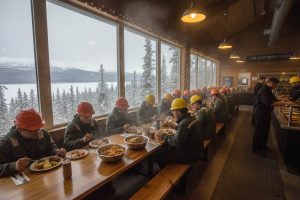
Industrial operations in Canada—whether in oil sands, mining regions, forestry zones, or large-scale construction corridors—depend on one critical but often
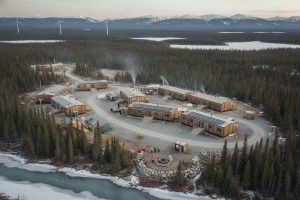
When organizations evaluate large-scale industrial work in places like Northern Alberta, British Columbia, or Newfoundland and Labrador, a remote site

Across Canada’s resource-driven economy, workforce accommodations play a critical role in keeping major projects running smoothly. In sectors such as
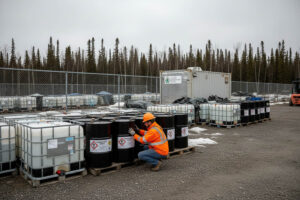
Remote operations in Canada involve multiple integrated systems working together — including accommodation, logistics, safety, and environmental controls. In sectors
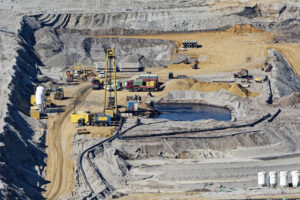
Mining in Canada isn’t just about extracting resources — it’s about sustaining teams through remote camp services in Canadian mining
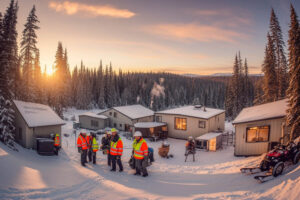
When comparing modular camps vs remote camps, many companies in Canada assume the terms mean the same thing. While the

In places like Fort McMurray’s oil sands or Kitimat’s LNG projects, remote catering companies play a vital role in supporting
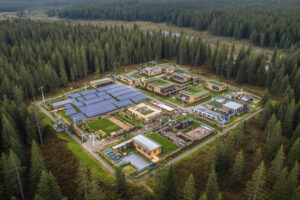
As industrial activity expands into environmentally sensitive regions, sustainable remote camp services Canada are becoming essential to balancing operational efficiency
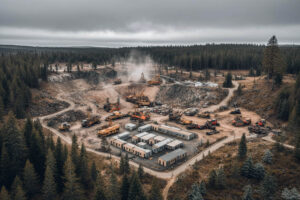
Across vast and isolated regions, remote camp services in Canada play a crucial role in enabling industries to operate efficiently
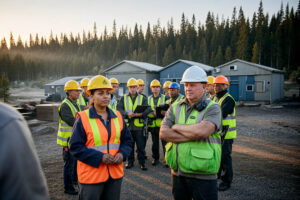
Effective remote site management is crucial for organizations operating in Canada’s isolated work environments, such as oil sands sites in
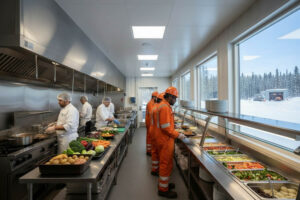
Remote site food catering services play a crucial role in sustaining Canada’s diverse industries, from mining and oil to forestry
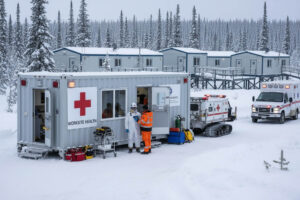
Remote site medical support plays a critical role in safeguarding the health and safety of employees working in Canada’s most
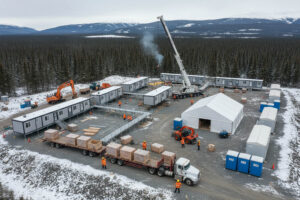
Mobilizing operations in challenging environments requires precision, planning, and expertise. That’s why remote camp mobilization is at the heart of

In demanding industrial environments, maintaining safety and stability is essential, and remote site security plays a critical role in protecting