
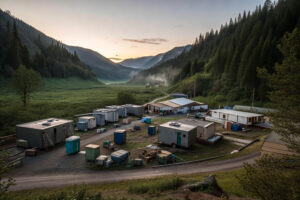
Forestry Remote Camp Mobilization Strategies That Work
Industries working in isolated forest regions rely on forestry remote camp mobilization to ensure their teams are deployed quickly, safely,
Specialized remote camp services support industries such as mining, oil and gas, forestry, and infrastructure development, which are typically located in Canada’s vast, resource-rich and isolated regions. These work camps provide everything from accommodations and food services to utilities, health and safety, and logistics for hundreds or even thousands of workers.

A key aspect of successful remote camp management is the meaningful collaboration with Indigenous communities. These partnerships extend beyond compliance requirements. They foster projects that respect local traditions, uphold environmental responsibility, and support economic growth.
In a remote camp facility, all the day-to-day operations need to support hundreds or even thousands of workers living and working in challenging locations. These remote facility camp services include:
Whether in Northern Alberta’s oil sands, British Columbia’s forest regions, or the mining camps of Nunavut, these remote facilities must be highly adaptable, efficient, and resilient to operate in harsh environments with limited access to infrastructure. An experienced camp management company must be skilled at operating in extreme climates, managing supply chains over long distances, and ensuring health, safety, and comfort for workers in off-the-grid locations.
In Canada, a significant portion of industrial activity occurs on or near traditional ancestral territories. This includes land that is governed by modern treaties, subject to land claims, or recognized as ancestral territory by First Nations, Métis, and Inuit communities. These communities have unique and constitutionally protected rights, as well as profound cultural, spiritual, and environmental ties to the land.
As a result, native peoples are key stakeholders in any remote development project—not just as neighbours, but as rights-holders and potential partners. As such, Indigenous engagement is not just a best practice—it is a legal, ethical, and strategic necessity.

Collaboration requires respect, transparency, and meaningful engagement to foster strong partnerships between organizations and Indigenous communities. Some best practices are:
These efforts foster mutual respect, help bridge cultural differences, and contribute to a more inclusive and productive workforce.
As Canada continues to invest in its remote resources, collaboration with Indigenous communities will be the foundation of responsible development. Challenges will inevitably come, and success depends on how well companies engage, respect, and collaborate with Indigenous communities. Inclusion and meaningful engagement ensures that remote camp services operate in harmony with local traditions and ecological values, paving the way for new standards in remote camp management.
Industries working in isolated forest regions rely on forestry remote camp mobilization to ensure their teams are deployed quickly, safely,

Resident camps in Canada are more than temporary housing sites for workers in industries like mining, forestry, energy, and construction.
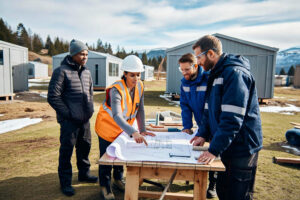
A remote facility is more than just a temporary shelter—it is a comprehensive hub designed to support workers and operations

The primary objective of hiring remote janitorial services in offsite construction camps is to uphold health, safety, and operational efficiency

Remote camp maintenance jobs play a vital role in Canada’s resource and industrial sectors, supporting mining, oil and gas, hydroelectric,

When planning a large-scale project in a challenging location, remote food catering becomes one of the most critical services to
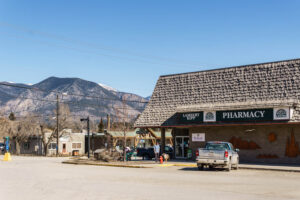
Remote health and safety is a critical component in the management and operation of Canadian field camps, especially those situated

Janitorial camp services are the backbone of operational success in Canada’s energy sector, especially in remote oil and gas sites

Remote catering companies play a vital role in keeping workers safe, nourished, and productive across Canada’s industrial sectors. Whether supporting
Exploration remote site services play a foundational role in enabling Canada’s most strategically important industries to operate in some of

Selecting the right oil and gas facility maintenance provider is a pivotal decision for companies operating in Canada’s remote regions—from
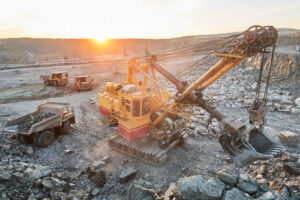
In Canada, mine camp management plays a key role in supporting workers at remote mining sites. These sites provide housing,
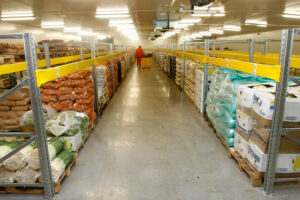
Remote food catering plays an important role in supporting workers across Canada’s most isolated job sites. Whether in the far
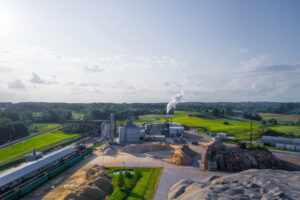
Remote camp maintenance jobs in Canada support the full lifecycle of temporary worksites—from setup (mobilization) to daily operations (maintenance) and

Remote catering companies play a vital role in supporting Canada’s vast and varied industries, especially those operating in isolated or