

7 Benefits of Professional Remote Housekeeping for Camp Operations
Maintaining a productive workforce in isolated accommodations requires more than comfortable lodging and quality amenities. In the middle of daily
Specialized remote camp services support industries such as mining, oil and gas, forestry, and infrastructure development, which are typically located in Canada’s vast, resource-rich and isolated regions. These work camps provide everything from accommodations and food services to utilities, health and safety, and logistics for hundreds or even thousands of workers.

A key aspect of successful remote camp management is the meaningful collaboration with Indigenous communities. These partnerships extend beyond compliance requirements. They foster projects that respect local traditions, uphold environmental responsibility, and support economic growth.
In a remote camp facility, all the day-to-day operations need to support hundreds or even thousands of workers living and working in challenging locations. These remote facility camp services include:
Whether in Northern Alberta’s oil sands, British Columbia’s forest regions, or the mining camps of Nunavut, these remote facilities must be highly adaptable, efficient, and resilient to operate in harsh environments with limited access to infrastructure. An experienced camp management company must be skilled at operating in extreme climates, managing supply chains over long distances, and ensuring health, safety, and comfort for workers in off-the-grid locations.
In Canada, a significant portion of industrial activity occurs on or near traditional ancestral territories. This includes land that is governed by modern treaties, subject to land claims, or recognized as ancestral territory by First Nations, Métis, and Inuit communities. These communities have unique and constitutionally protected rights, as well as profound cultural, spiritual, and environmental ties to the land.
As a result, native peoples are key stakeholders in any remote development project—not just as neighbours, but as rights-holders and potential partners. As such, Indigenous engagement is not just a best practice—it is a legal, ethical, and strategic necessity.

Collaboration requires respect, transparency, and meaningful engagement to foster strong partnerships between organizations and Indigenous communities. Some best practices are:
These efforts foster mutual respect, help bridge cultural differences, and contribute to a more inclusive and productive workforce.
As Canada continues to invest in its remote resources, collaboration with Indigenous communities will be the foundation of responsible development. Challenges will inevitably come, and success depends on how well companies engage, respect, and collaborate with Indigenous communities. Inclusion and meaningful engagement ensures that remote camp services operate in harmony with local traditions and ecological values, paving the way for new standards in remote camp management.
Maintaining a productive workforce in isolated accommodations requires more than comfortable lodging and quality amenities. In the middle of daily
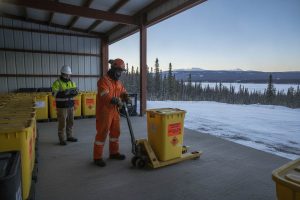
Remote operations in Canada take place in challenging environments where multiple systems must work together smoothly — including accommodation, logistics,
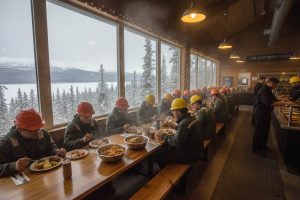
Industrial operations in Canada—whether in oil sands, mining regions, forestry zones, or large-scale construction corridors—depend on one critical but often
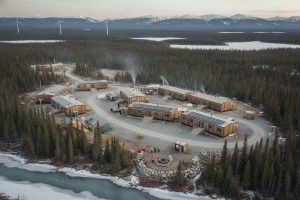
When organizations evaluate large-scale industrial work in places like Northern Alberta, British Columbia, or Newfoundland and Labrador, a remote site

Across Canada’s resource-driven economy, workforce accommodations play a critical role in keeping major projects running smoothly. In sectors such as
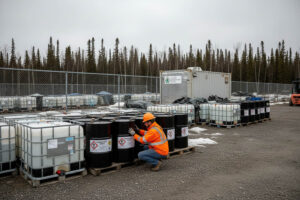
Remote operations in Canada involve multiple integrated systems working together — including accommodation, logistics, safety, and environmental controls. In sectors
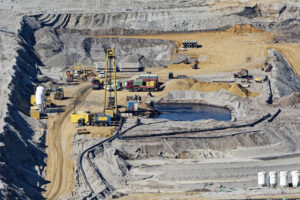
Mining in Canada isn’t just about extracting resources — it’s about sustaining teams through remote camp services in Canadian mining
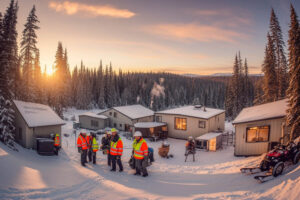
When comparing modular camps vs remote camps, many companies in Canada assume the terms mean the same thing. While the

In places like Fort McMurray’s oil sands or Kitimat’s LNG projects, remote catering companies play a vital role in supporting
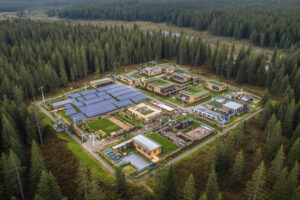
As industrial activity expands into environmentally sensitive regions, sustainable remote camp services Canada are becoming essential to balancing operational efficiency
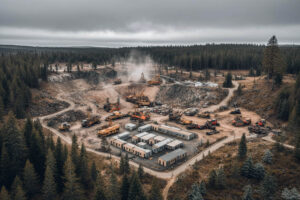
Across vast and isolated regions, remote camp services in Canada play a crucial role in enabling industries to operate efficiently
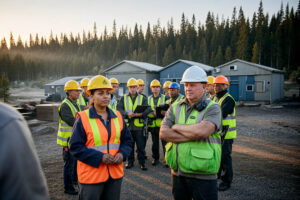
Effective remote site management is crucial for organizations operating in Canada’s isolated work environments, such as oil sands sites in
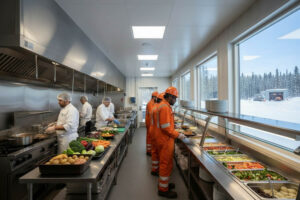
Remote site food catering services play a crucial role in sustaining Canada’s diverse industries, from mining and oil to forestry
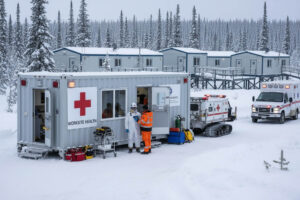
Remote site medical support plays a critical role in safeguarding the health and safety of employees working in Canada’s most
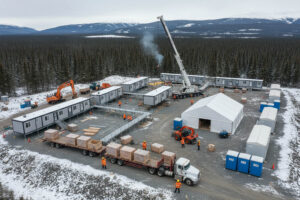
Mobilizing operations in challenging environments requires precision, planning, and expertise. That’s why remote camp mobilization is at the heart of