

7 Benefits of Professional Remote Housekeeping for Camp Operations
Maintaining a productive workforce in isolated accommodations requires more than comfortable lodging and quality amenities. In the middle of daily
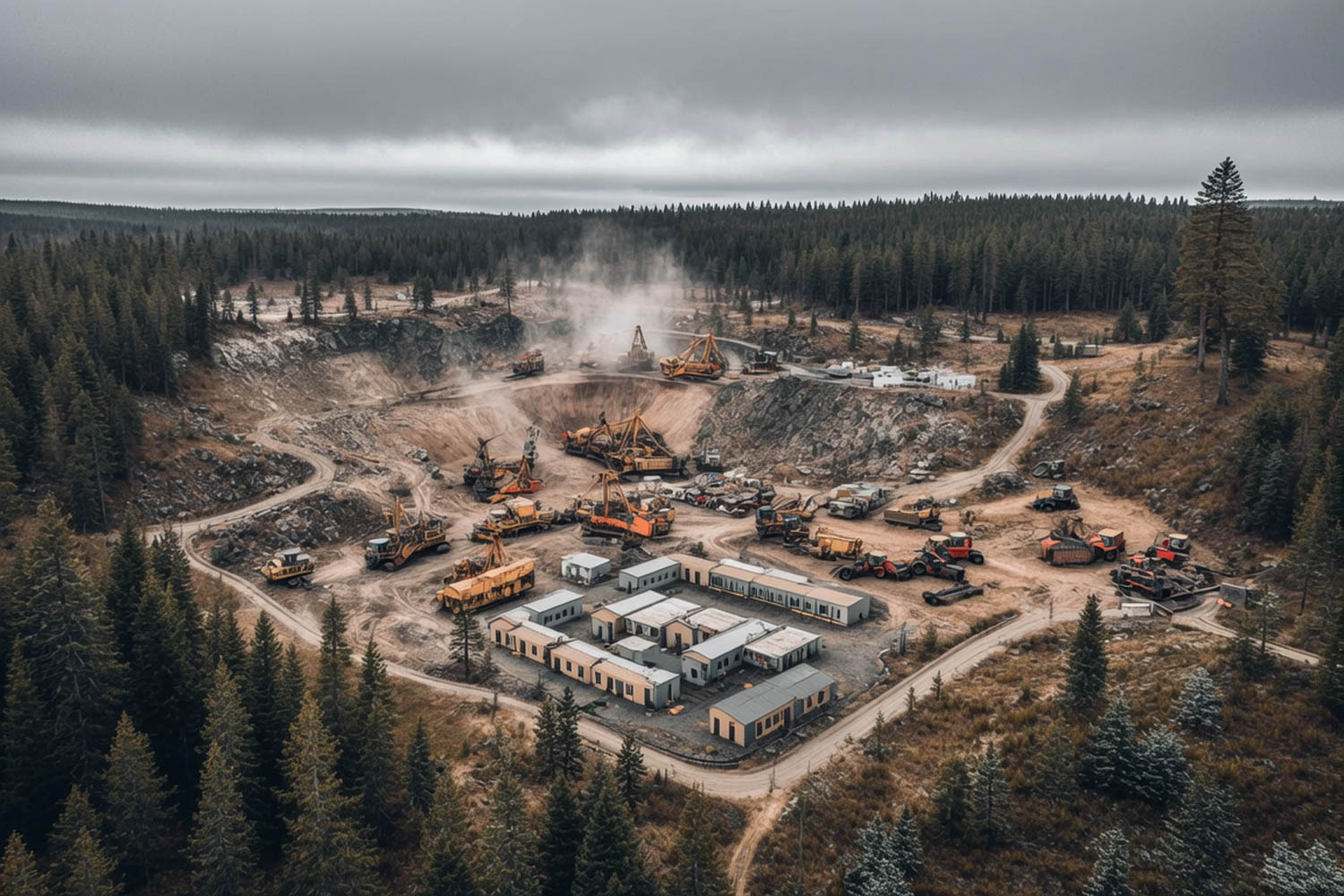
Across vast and isolated regions, remote camp services in Canada play a crucial role in enabling industries to operate efficiently where traditional infrastructure is unavailable. From resource extraction to scientific discovery, workforce housing, food services, and facility upkeep form the backbone of daily operations in these environments. Without well-managed living quarters and support systems, even the most resource-rich projects would struggle to function safely or productively.
Mining remains one of the largest sectors relying on off-grid living infrastructure. Operations are often located far from urban centers, requiring companies to house hundreds of workers for extended periods.
Reliable workforce accommodation solutions ensure that workers have safe, comfortable places to rest after long shifts. This includes not just sleeping quarters, but also dining, sanitation, and recreational areas that support overall well-being.
In mining environments, services such as:
are critical for maintaining both morale and productivity.
A strong example is the Diavik Diamond Mine in the Northwest Territories, where hundreds of workers live on-site in a fly-in/fly-out operation. With extreme winter conditions and complete isolation, high-quality accommodations and consistent support services are essential for safe and efficient operations.
The oil and gas sector operates in some of the most demanding environments, from inland drilling locations to offshore staging areas. These projects often require rapid deployment and scalability.
Effective industrial camp management ensures that all aspects of daily life—accommodation, catering, cleaning, and logistics—run seamlessly. Workers in this sector often face long rotations, making comfort and consistency essential.
Additionally, integrated services help companies:
One notable example is the oil sands operations in Fort McMurray, Alberta, where large-scale workforce housing complexes support thousands of workers. These facilities function like small communities, requiring coordinated food services, cleaning, and maintenance to operate efficiently year-round.
Forestry operations are highly mobile, with crews moving based on harvesting schedules and environmental conditions. This creates a strong need for flexible and mobile support systems.
High-quality remote site catering plays a particularly important role in forestry. Workers perform physically demanding tasks, making nutrition a key factor in performance and safety.
Support services in forestry typically include:
These services ensure that crews can focus on their work without being burdened by logistical challenges.
For example, logging operations in Northern British Columbia often rely on temporary bush camps that move with harvesting zones. These setups require rapid mobilization and dependable daily services to keep crews operating efficiently in rugged terrain.
Large-scale construction projects—such as infrastructure development, hydroelectric dams, pipelines, and transportation networks—often take place in isolated regions where local housing and services are unavailable. These projects can last months or even years, requiring stable and well-organized living environments for crews.
Strong industrial camp management is essential to keep construction teams focused and productive. Unlike other industries, construction sites often experience rapid changes in workforce size, requiring flexible accommodations and scalable support systems.
In construction environments, even minor disruptions—such as food delays or facility issues—can impact productivity and timelines. Well-coordinated services help minimize these risks while creating a structured, comfortable environment for workers.
Additionally, providing high-quality living conditions contributes to:
A clear example is the Site C Clean Energy Project in British Columbia, a major hydroelectric development that has required extensive workforce housing and full-service accommodations to support thousands of workers throughout its multi-year construction timeline.
Scientific and environmental research projects often take place in some of the most extreme and untouched regions. These include Arctic studies, wildlife monitoring stations, and climate research initiatives.
Unlike industrial sectors, research teams are often smaller but require highly specialized support.
In these settings, temporary workforce housing must be designed with both functionality and minimal environmental impact in mind. Proper facility maintenance and sanitation are essential to ensure the health and safety of researchers working in isolation.
A well-known example is the Canadian High Arctic Research Station (CHARS) in Cambridge Bay, Nunavut, where scientists live and work in a highly controlled environment. Support services ensure the facility remains operational despite extreme weather and logistical challenges.
When multiple services are delivered in a coordinated manner, the benefits extend far beyond convenience. Understanding how integrated remote camp services improve workforce productivity in Canada helps companies realize that seamless operations directly impact performance and employee well-being. Integrated solutions create a cohesive living and working environment, enhancing efficiency across all aspects of the site.
By aligning these elements, companies create environments where workers feel supported, leading to higher retention, better performance, and overall improved outcomes for the project.
While each industry has unique requirements, one common factor is the need for adaptable and scalable housing solutions.
These solutions are especially valuable in projects with evolving timelines, such as exploration phases in mining or seasonal forestry operations. Properly designed accommodations ensure that workers remain safe and comfortable regardless of location or conditions.
From mining and oil extraction to forestry, construction, and scientific research, industries operating in isolated regions depend on well-coordinated living and support systems to function effectively. These environments demand more than just basic shelter—they require comprehensive solutions that address food, cleanliness, maintenance, and overall quality of life.
As projects continue to expand into more challenging locations, the importance of reliable infrastructure and services will only grow. Businesses that invest in high-quality accommodations and integrated support systems position themselves for greater efficiency, safety, and workforce satisfaction—making remote camp services in Canada an essential component of success in these industries.
Ensure your operations run smoothly while keeping workers comfortable and projects on schedule. Our team specializes in remote camp services in Canada, including food services, housekeeping, facility maintenance, and full site management—designed to support mining, oil & gas, forestry, research, and construction projects.
Schedule an appointment now to learn how the Domco Group can help optimize your workforce accommodations, streamline operations, and enhance efficiency across all your remote worksites.
Maintaining a productive workforce in isolated accommodations requires more than comfortable lodging and quality amenities. In the middle of daily
Remote operations in Canada take place in challenging environments where multiple systems must work together smoothly — including accommodation, logistics,
Industrial operations in Canada—whether in oil sands, mining regions, forestry zones, or large-scale construction corridors—depend on one critical but often
When organizations evaluate large-scale industrial work in places like Northern Alberta, British Columbia, or Newfoundland and Labrador, a remote site

Across Canada’s resource-driven economy, workforce accommodations play a critical role in keeping major projects running smoothly. In sectors such as
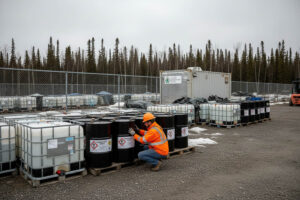
Remote operations in Canada involve multiple integrated systems working together — including accommodation, logistics, safety, and environmental controls. In sectors
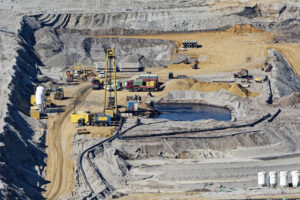
Mining in Canada isn’t just about extracting resources — it’s about sustaining teams through remote camp services in Canadian mining
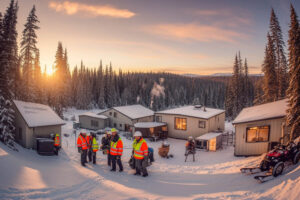
When comparing modular camps vs remote camps, many companies in Canada assume the terms mean the same thing. While the

In places like Fort McMurray’s oil sands or Kitimat’s LNG projects, remote catering companies play a vital role in supporting
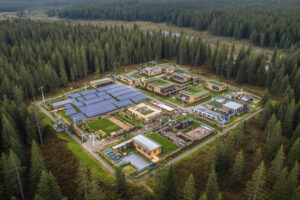
As industrial activity expands into environmentally sensitive regions, sustainable remote camp services Canada are becoming essential to balancing operational efficiency
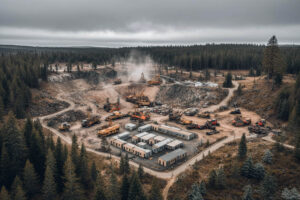
Across vast and isolated regions, remote camp services in Canada play a crucial role in enabling industries to operate efficiently
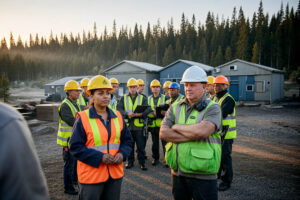
Effective remote site management is crucial for organizations operating in Canada’s isolated work environments, such as oil sands sites in
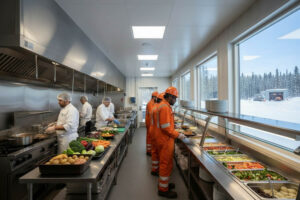
Remote site food catering services play a crucial role in sustaining Canada’s diverse industries, from mining and oil to forestry
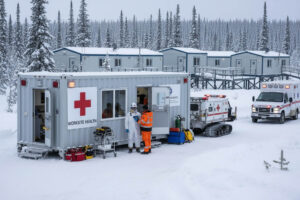
Remote site medical support plays a critical role in safeguarding the health and safety of employees working in Canada’s most
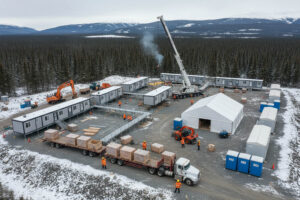
Mobilizing operations in challenging environments requires precision, planning, and expertise. That’s why remote camp mobilization is at the heart of