Choosing the Right Oil and Gas Facility Maintenance Partner
Selecting the right oil and gas facility maintenance provider is a pivotal decision for companies operating in Canada’s remote regions—from
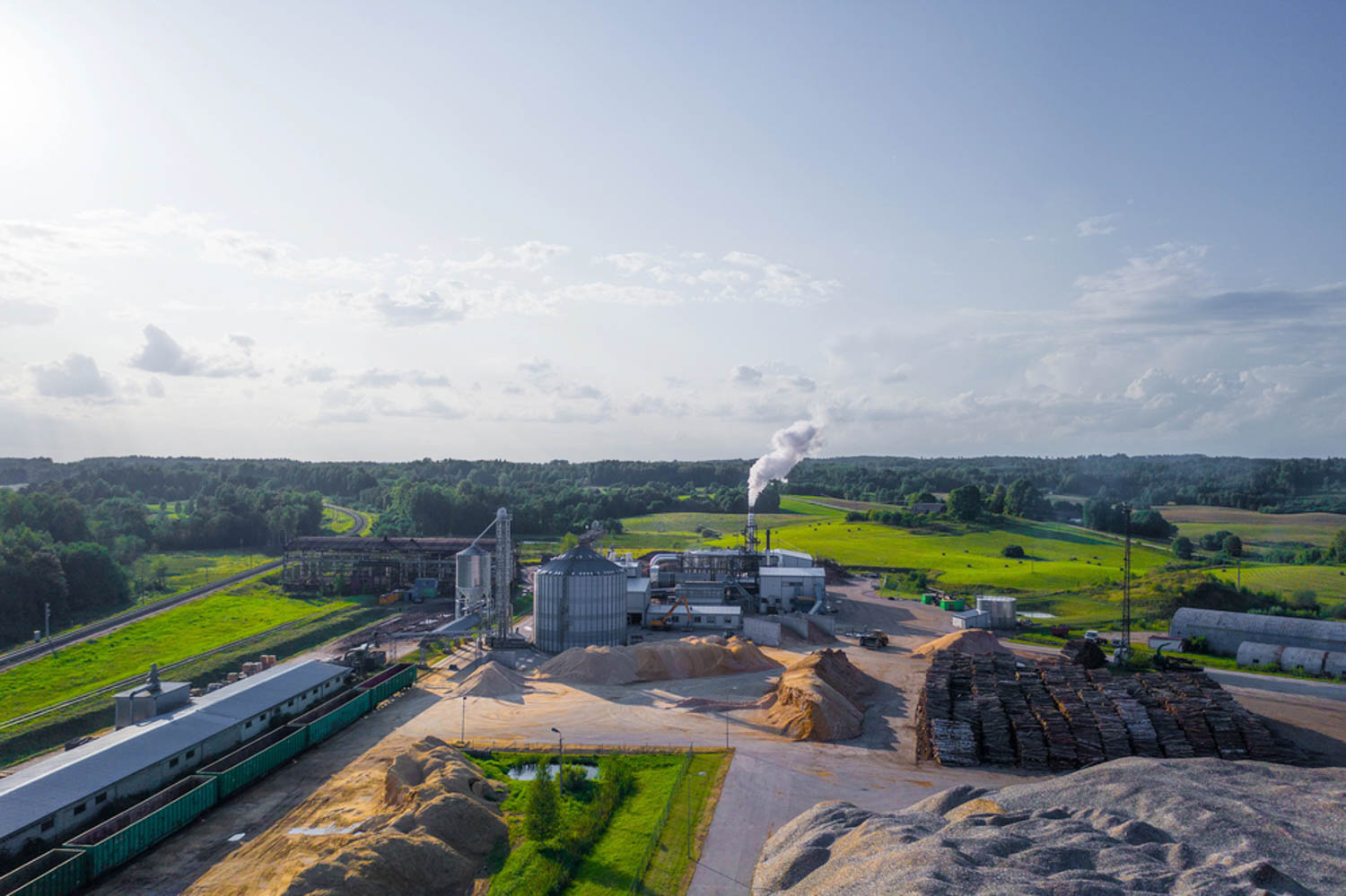
Remote camp maintenance jobs in Canada support the full lifecycle of temporary worksites—from setup (mobilization) to daily operations (maintenance) and final teardown (demobilization). These jobs are essential in mining, oil and gas, forestry, and large-scale construction projects across remote regions. They ensure that workers have safe, functional, and comfortable living conditions in some of the country’s most isolated and extreme environments.
Working in remote work locations presents unique challenges:
Despite these conditions, many workers are drawn to the camaraderie, competitive pay, and sense of adventure that come with remote camp life. Recreational facilities, wellness programs, and cultural events help maintain morale and foster community. For many, the experience is not just a job—it’s a lifestyle built on teamwork, adaptability, and purpose.
Mobilization refers to the initial phase of transporting, assembling, and activating the camp infrastructure before the workforce arrives. Maintenance workers involved in mobilization are responsible for:
Mobilization crews often include electricians, plumbers, carpenters, heavy equipment operators, and general labourers. These roles require adaptability, physical endurance, and familiarity with remote logistics. Some projects may use temporary portable buildings or lease used portable buildings to accelerate setup and reduce costs. In larger operations, modular camps are deployed to accommodate hundreds of workers, often with integrated dining, recreation, and medical facilities.
Once the camp is operational, maintenance workers shift to sustaining daily operations. This phase can last months or years depending on the project. Key responsibilities include:
Maintenance staff may include general maintenance technicians, custodians, plumbers, electricians, and camp attendants. Many roles are rotational—such as 14 days on, 14 days off—and require fly-in/fly-out (FIFO) arrangements. In larger camps, management teams oversee logistics, staffing, and compliance across departments.
Demobilization occurs when the project ends or transitions to a new phase. Maintenance workers play a critical role in:
This phase demands precision, documentation, and coordination with environmental consultants and logistics teams. Workers must ensure the site is left in a safe, clean, and compliant condition. In some cases, resident camps are converted for long-term use by local communities or repurposed for future projects.
Indigenous partnerships are a vital and growing part of remote camp operations across Canada. Many resource and infrastructure projects intersect with Indigenous territories, making collaboration both a legal obligation and a path to mutual benefit.
Companies often sign Impact Benefit Agreements (IBAs) or Community Benefit Agreements (CBAs) with Indigenous communities. These typically include:
Some Indigenous communities run their own camp service companies or joint ventures, offering:
These partnerships support local economies and ensure culturally grounded service delivery. In some regions, Indigenous-led teams also manage remote camp security jobs, blending safety with respect for local traditions.
Indigenous maintenance teams bring deep land knowledge and stewardship practices. Their role in mobilization and demobilization may include:
This builds trust and ensures compliance with both regulatory and cultural standards.
Programs like Indigenous Skills and Employment Training (ISET) and partnerships with colleges (e.g., Northern College, Yukon University) support:
These initiatives foster long-term career growth and community resilience.
Remote camp maintenance jobs are common in:
Employers range from specialized camp service providers to large resource companies and government agencies. Many now offer integrated remote facility camp management solutions that include food, lodging, maintenance, and recreation under one contract.
Successful candidates typically bring a mix of skills and qualifications:
In northern camps, wildlife monitoring licenses may be required, and experience in remote camp security or emergency response is often an asset.
Recruiting for remote camp roles requires more than filling vacancies—it’s about building resilient, skilled teams that thrive in isolated environments. Here are key strategies:
These strategies help providers maintain high standards, reduce turnover, and foster inclusive, high-performing teams across Canada’s resource sectors.
As industries continue to expand into remote and northern regions, the demand for skilled, adaptable maintenance professionals will only grow. These jobs not only support critical infrastructure, but also ensure that workers have safe, functional, and comfortable living conditions in some of the country’s most remote and rugged environments. For those seeking meaningful, hands-on work with real impact, remote camp maintenance jobs offer a career path that is both challenging and deeply rewarding.
Need reliable maintenance crews for your next remote project? Partner with the Domco Group today for skilled staffing, Indigenous collaboration, and full-lifecycle support.
Selecting the right oil and gas facility maintenance provider is a pivotal decision for companies operating in Canada’s remote regions—from
In Canada, mine camp management plays a key role in supporting workers at remote mining sites. These sites provide housing,
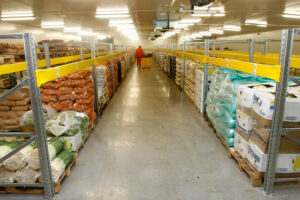
Remote food catering plays an important role in supporting workers across Canada’s most isolated job sites. Whether in the far
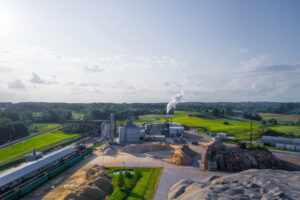
Remote camp maintenance jobs in Canada support the full lifecycle of temporary worksites—from setup (mobilization) to daily operations (maintenance) and

Remote catering companies play a vital role in supporting Canada’s vast and varied industries, especially those operating in isolated or
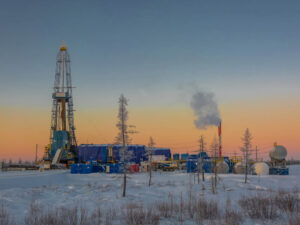
Oil and gas facilities management is a complex and critical discipline that ensures energy operations in Canada’s most remote locations
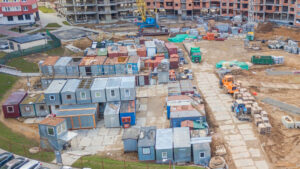
In the rugged, often isolated world of remote construction camps, construction facility management is the invisible force that sustains daily

Remote maintenance is the backbone of operational continuity in Canadian work camps, especially those located in isolated regions supporting industries
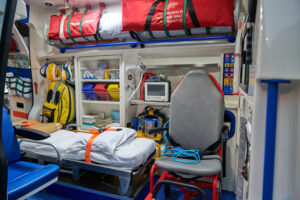
Remote camp health and safety is a vital concern in the management of Canadian remote workforce camps, especially in resource-driven

Keeping crews energized and satisfied starts with smart camp food menu ideas—especially in remote environments where morale and nutrition go

Gas remote camp mobilization is a critical operational phase in Canada’s oil and gas industry, particularly in remote and northern

When it comes to remote site security in Canadian work camps, ensuring safety and protection is paramount. These facilities, often

In Canada’s vast and resource-rich landscapes, remote site maintenance plays a pivotal role in sustaining the operations of work camps

In Canada’s vast and often isolated regions, remote camp management plays a vital role in advancing sustainability across diverse work

Remote site administration is a vital function in Canada’s most geographically isolated and operationally demanding environments. From the Arctic’s frozen