

7 Benefits of Professional Remote Housekeeping for Camp Operations
Maintaining a productive workforce in isolated accommodations requires more than comfortable lodging and quality amenities. In the middle of daily
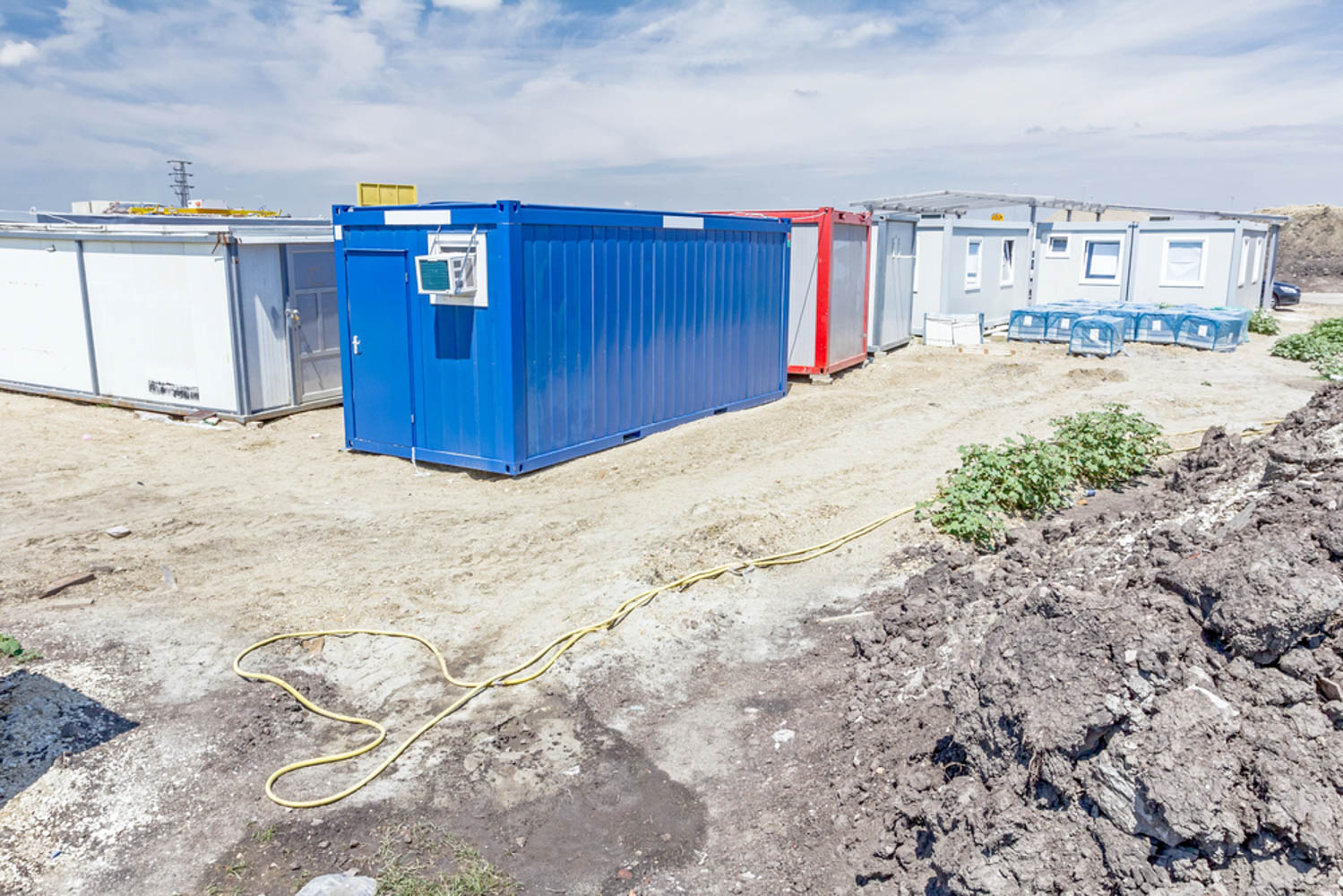
When it comes to remote site security in Canadian work camps, ensuring safety and protection is paramount. These facilities, often situated in isolated areas, require a specialized approach to security that addresses the unique challenges posed by their location and operational nature. Whether it’s managing personnel, safeguarding equipment, or maintaining health protocols, adopting best practices can significantly enhance the overall security and efficiency of these camps.
Remote site security is a critical concern for Canadian work camps, especially those operating in isolated regions where access, visibility, and infrastructure are limited. From the windswept oil sands of northern Alberta to the rugged mining corridors of northern Ontario and the mountainous terrain of British Columbia’s interior, these camps are often positioned in areas where traditional infrastructure is sparse and emergency response times are extended.
In Nunavut and the Northwest Territories, camps supporting resource exploration must contend with extreme cold, permafrost, and seasonal isolation. Meanwhile, forestry operations in northern Saskatchewan or hydroelectric projects in remote parts of Quebec face challenges like dense boreal forest, limited road access, and wildlife encounters. These geographic realities shape not only the physical layout of work camps but also the strategies required to keep them secure.
Security challenges are compounded by harsh weather, limited connectivity, and the need to balance safety with comfort and productivity. Whether nestled along the James Bay coast or deep within the Peace River region, each site demands a tailored approach to safety, surveillance, and operational resilience.
The foundation of any effective remote site security strategy begins with smart layout design and controlled access. Camps should be designed to minimize blind spots and maximize visibility across key operational zones. Entry points must be clearly marked and monitored, with access restricted to authorized personnel only.
These measures not only deter unauthorized entry but also support remote facility administration by streamlining personnel tracking and accountability.
Modern security solutions offer powerful tools to enhance visibility and response times. Deploying a remote site monitoring system allows camp managers to oversee operations in real time, even from offsite locations.
For high-risk zones, such as fuel storage or explosives handling, consider remote site cctv monitoring with 24/7 recording and cloud-based backups. These systems can be paired with remote site security systems that include perimeter detection, intrusion alerts, and automated lockdown protocols.
Good lighting is one of the simplest yet most effective deterrents. Well-lit pathways, entrances, and workstations reduce the risk of accidents and discourage trespassing.
In addition, the use of explosion proof portable building units for sensitive operations can enhance safety while meeting regulatory standards.
Technology alone isn’t enough—security must be embedded in the camp’s culture. Regular training ensures that staff understand protocols and know how to respond to emergencies.
This approach supports remote health and safety initiatives and fosters a proactive mindset across the workforce.
Work camps must be equipped to handle a range of emergencies, from natural disasters to equipment failures. A comprehensive response plan should include:
Temporary shelters such as temporary portable buildings can be deployed quickly to support displaced personnel or house emergency teams.
Security is closely tied to the condition of camp infrastructure. Broken locks, malfunctioning cameras, or deteriorating buildings can create vulnerabilities.
A well-maintained site not only improves safety but also boosts morale and operational efficiency.
Security should be part of a broader remote site camp management strategy that includes logistics, staffing, and resource allocation. Coordinating these elements ensures that security measures align with daily operations and long-term goals.
This holistic approach supports both remote site facility management and sustainable development.
Partnering with external providers can enhance security without overburdening internal teams. These services may include:
Engaging remote facility services ensures that specialized expertise is available when needed, especially during peak activity or seasonal transitions.
Building trust with nearby communities can reduce tensions and improve security outcomes. Transparent communication and mutual respect go a long way.
This fosters goodwill and may even lead to informal surveillance support from local residents.
Security needs evolve with technology and industry trends. Camps should stay informed about emerging tools and practices.
Upgrading to smart infrastructure supports remote site facility maintenance and long-term resilience.
In Canadian work camps, protecting people, infrastructure, and operations requires more than physical barriers—it calls for a strategic blend of planning, technology, and human awareness. By combining smart surveillance, proactive training, consistent infrastructure upkeep, and meaningful community engagement, camps can foster safer, more efficient environments for everyone on site. Whether through thoughtful remote camp facility design, resilient remote facility security protocols, or well-managed remote site maintenance routines, the goal remains the same: to build systems that endure. As the industry continues to evolve, so too must our commitment to remote site security.
Let’s talk! Contact the Domco Group today to learn how our expertise in security and site maintenance can support your remote operations.
Maintaining a productive workforce in isolated accommodations requires more than comfortable lodging and quality amenities. In the middle of daily
Remote operations in Canada take place in challenging environments where multiple systems must work together smoothly — including accommodation, logistics,
Industrial operations in Canada—whether in oil sands, mining regions, forestry zones, or large-scale construction corridors—depend on one critical but often
When organizations evaluate large-scale industrial work in places like Northern Alberta, British Columbia, or Newfoundland and Labrador, a remote site

Across Canada’s resource-driven economy, workforce accommodations play a critical role in keeping major projects running smoothly. In sectors such as
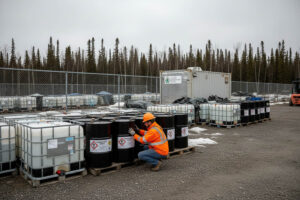
Remote operations in Canada involve multiple integrated systems working together — including accommodation, logistics, safety, and environmental controls. In sectors
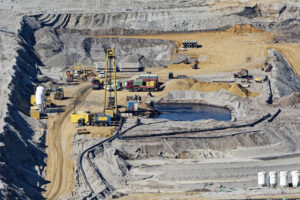
Mining in Canada isn’t just about extracting resources — it’s about sustaining teams through remote camp services in Canadian mining
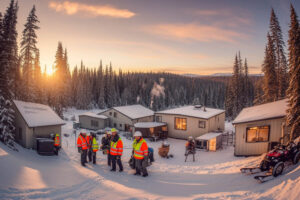
When comparing modular camps vs remote camps, many companies in Canada assume the terms mean the same thing. While the

In places like Fort McMurray’s oil sands or Kitimat’s LNG projects, remote catering companies play a vital role in supporting
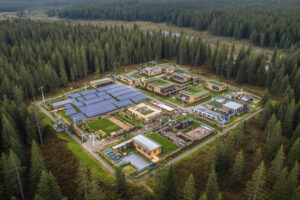
As industrial activity expands into environmentally sensitive regions, sustainable remote camp services Canada are becoming essential to balancing operational efficiency
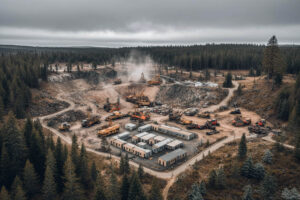
Across vast and isolated regions, remote camp services in Canada play a crucial role in enabling industries to operate efficiently
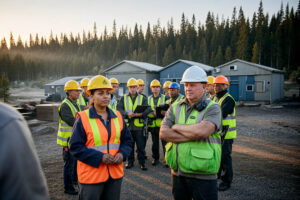
Effective remote site management is crucial for organizations operating in Canada’s isolated work environments, such as oil sands sites in
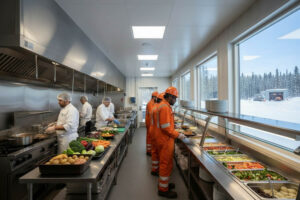
Remote site food catering services play a crucial role in sustaining Canada’s diverse industries, from mining and oil to forestry
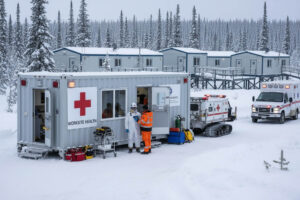
Remote site medical support plays a critical role in safeguarding the health and safety of employees working in Canada’s most
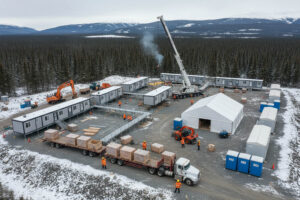
Mobilizing operations in challenging environments requires precision, planning, and expertise. That’s why remote camp mobilization is at the heart of