
Choosing the Right Oil and Gas Facility Maintenance Partner
Selecting the right oil and gas facility maintenance provider is a pivotal decision for companies operating in Canada’s remote regions—from

Gas remote camp mobilization is a critical operational phase in Canada’s oil and gas industry, particularly in remote and northern regions like Alberta, British Columbia, and parts of Saskatchewan and the Yukon. As gas exploration and extraction activities often occur in isolated areas far from established infrastructure, companies must establish self-contained camps to house and support workers. Mobilization refers to the logistical planning, transport, setup, and operation of these camps.
Remote camps are necessary due to the geographic isolation of many gas reserves in Canada. Areas like the Montney Formation in northeastern British Columbia or the Duvernay Shale in Alberta are often hundreds of kilometers from the nearest towns or cities. It is neither cost-effective nor practical to transport workers to and from urban centers daily.
The camps serve several purposes:
These field camps not only provide essential accommodation, food, and sanitation facilities for workers but also serve as temporary operational hubs that enable sustained work in harsh and remote environments. The complexity of mobilizing these camps highlights the importance of strategic planning, environmental stewardship, regulatory compliance, and community engagement.
requires precise coordination of equipment, labour, infrastructure, and support services to ensure safety, comfort, and efficiency. In the context of Canadian energy development, gas remote camp mobilization
Mobilizing a remote camp is a logistical challenge that involves transporting infrastructure, equipment, personnel, and supplies to remote locations to support natural gas drilling, processing, or pipeline construction projects. It includes a wide range of tasks:
The camps can range in size from a few dozen workers to several hundred, depending on the project scope and duration. They serve as the operational backbone for remote workforces and directly impact productivity and morale.
Mobilization typically precedes the commencement of drilling or construction and may last from weeks to several months. The entire process must consider the distance from urban centers, seasonal weather patterns, environmental regulations, and indigenous land use agreements, all of which affect accessibility and timelines.
A solid foundation for any successful camp operation is a safety-first culture. Leaders must go beyond checklists and compliance to embed safety in every action and mindset.
Embedding remote working health and safety principles into everyday routines reduces accidents and improves worker morale. Everyone, from camp managers to janitorial staff, plays a role in maintaining a hygienic and secure environment.
Successful gas remote camp mobilization follows a multi-phase approach:
Before the physical mobilization begins, extensive planning is carried out. This includes environmental assessments, route planning, acquiring necessary permits, and engaging with local stakeholders. A critical part of this phase is sourcing qualified vendors for gas remote camp services, transportation, and camp infrastructure.
Special attention is given to the camp layout to maximize efficiency while minimizing environmental impact. Additionally, contingency planning for extreme weather, equipment failure, or supply chain disruption is vital for risk mitigation.
Modular space solutions are often used in this phase to create scalable and relocatable camp components quickly, including dorms, offices, and recreation areas.
Mobilization starts with the transportation of modular units, equipment, and materials to the remote site. This is often done via ice roads, barges, helicopters, or long-haul trucking. Infrastructure setup includes power generation, water treatment, sewage systems, and emergency medical facilities. This is also where gas remote site services come into play, offering utilities and logistical support to keep the operation running smoothly.
During this stage, contractors coordinate with gas remote facility management teams to ensure each system is installed correctly, meets compliance standards, and is operational before workers arrive.
Mobile modular office buildings are commonly installed at this stage to serve as temporary command centers, project coordination rooms, or administrative hubs for supervisors and engineers.
Once the basic infrastructure is established, the camp becomes habitable. Dormitories, kitchens, recreational areas, and health and safety facilities are prepared. Gas remote camp management services are introduced to oversee daily operations, maintain order, and provide hospitality-like oversight. These services ensure that the camp operates like a small, self-contained community.
In addition to sleeping quarters, the deployment of modular portable bathroom units ensures workers have clean, private, and regularly serviced sanitation facilities throughout the site.
A core focus at this stage is worker well-being. Meal quality, cleanliness, and recreational options directly influence employee satisfaction, retention, and performance. Therefore, providers of gas food catering services and janitorial staff are mobilized and integrated into the workforce.
Catering is often handled by specialized camp catering companies that provide high-calorie, nutritious meal plans suitable for the demanding work conditions. These companies design a customized food camp menu based on the project’s duration, dietary needs, and cultural considerations.
Canada’s remote gas sites are often located in areas with unpredictable and extreme weather conditions, such as sub-zero temperatures, high winds, and heavy snowfall. These elements can delay transportation, endanger personnel, and damage infrastructure.
Remote camp mobilization requires a highly coordinated supply chain. Equipment and consumables must be delivered in a just-in-time manner to avoid delays and cost overruns. Partnerships with experienced vendors and gas remote camp services providers are essential for maintaining flow and efficiency.
Stock and inventory control is a key consideration, making stock room management essential to prevent shortages of food, medical supplies, fuel, and spare parts during peak operations.
Skilled labour is often hard to come by in remote areas, necessitating fly-in/fly-out operations. It’s vital that personnel receive site-specific training, particularly in safety and environmental compliance. Coordinating work schedules, housing arrangements, and travel plans also falls under the scope of gas remote camp management.
Once mobilization is complete, the camp transitions into operational mode. This stage involves coordination with the broader gas facility management teams to ensure alignment with project goals. Camp staff and facility managers work closely with the operations crew to schedule maintenance, manage waste, and monitor performance metrics.
Providers of gas remote food catering services play a crucial role here, ensuring consistent meal quality and nutrition standards for the workforce. Catering services must also comply with health codes and accommodate dietary restrictions, cultural considerations, and changing crew sizes.
Some sites also require specialized buildings for safety or technical use. For example, an explosion proof portable building might be installed near volatile operations to protect personnel while allowing proximity to the work zone.
Mobilizing a remote gas camp in Canada is far more than a logistical exercise—it’s a strategic undertaking that directly influences workforce productivity, safety, and community relations. From infrastructure deployment to catering services, each phase demands precision, adaptability, and cultural awareness. As energy development continues to push into more remote and environmentally sensitive regions, the ability to mobilize effectively becomes a defining factor in project success.
Ultimately, project performance in remote regions can hinge on the quality and execution of gas remote camp mobilization.
Whether you’re launching a new site or scaling operations in Canada’s most remote regions, the Domco Group delivers seamless, end-to-end solutions—from modular space planning to gas remote camp services and beyond. Let’s build your camp with precision, comfort, and compliance at the core. Partner with us today and power your next project with confidence.
Selecting the right oil and gas facility maintenance provider is a pivotal decision for companies operating in Canada’s remote regions—from
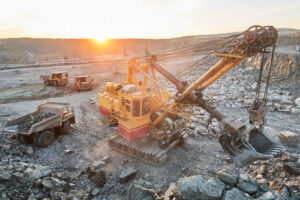
In Canada, mine camp management plays a key role in supporting workers at remote mining sites. These sites provide housing,
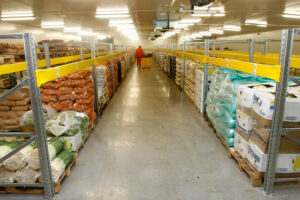
Remote food catering plays an important role in supporting workers across Canada’s most isolated job sites. Whether in the far
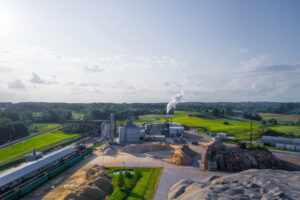
Remote camp maintenance jobs in Canada support the full lifecycle of temporary worksites—from setup (mobilization) to daily operations (maintenance) and

Remote catering companies play a vital role in supporting Canada’s vast and varied industries, especially those operating in isolated or
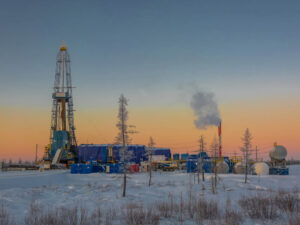
Oil and gas facilities management is a complex and critical discipline that ensures energy operations in Canada’s most remote locations
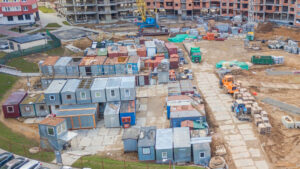
In the rugged, often isolated world of remote construction camps, construction facility management is the invisible force that sustains daily

Remote maintenance is the backbone of operational continuity in Canadian work camps, especially those located in isolated regions supporting industries
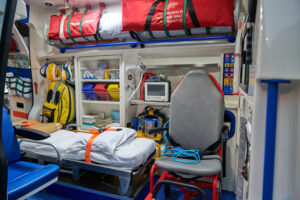
Remote camp health and safety is a vital concern in the management of Canadian remote workforce camps, especially in resource-driven

Keeping crews energized and satisfied starts with smart camp food menu ideas—especially in remote environments where morale and nutrition go

Gas remote camp mobilization is a critical operational phase in Canada’s oil and gas industry, particularly in remote and northern

When it comes to remote site security in Canadian work camps, ensuring safety and protection is paramount. These facilities, often

In Canada’s vast and resource-rich landscapes, remote site maintenance plays a pivotal role in sustaining the operations of work camps

In Canada’s vast and often isolated regions, remote camp management plays a vital role in advancing sustainability across diverse work

Remote site administration is a vital function in Canada’s most geographically isolated and operationally demanding environments. From the Arctic’s frozen