
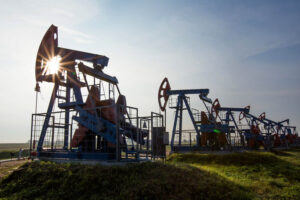
Choosing the Right Oil and Gas Facility Maintenance Partner
Selecting the right oil and gas facility maintenance provider is a pivotal decision for companies operating in Canada’s remote regions—from

Harnessing the power of renewable energy sources to fuel remote industrial camps continually imposes multifaceted challenges and risks. This challenge has ignited a wave of innovation In order to meet their energy needs.
Renewable energy technologies, such as solar panels, wind turbines, and micro-hydro systems, have transformed the energy landscape of remote camps. These technologies power remote facilities while minimizing their carbon footprint. By harnessing energy from nature’s abundant sources, remote mining and forestry camps contribute to a cleaner, greener future.
Solar panels have become synonymous with sustainability, capturing sunlight and converting it into clean energy. Integrating solar power systems helps remote camps utilize the sun’s energy to generate electricity. This energy is used to power lighting, heating, cooling, and other essential facilities, reducing the reliance on fossil fuels and ensuring a more sustainable energy mix.
Wind turbines have a majestic presence in remote landscapes, harnessing the power of the wind to generate electricity. It’s integral for remote sites to strategically deploy wind turbines to tap into nature’s energy, especially in areas with consistent wind patterns in order to meet their energy needs. Integrating wind energy into power systems can bolster the resilience and sustainability of remote camps.
In locations blessed with flowing water, micro-hydro systems are harnessed to generate electricity. These systems utilize the force of flowing water to turn turbines and produce clean energy. It’s key for remote work camps to carefully assess the feasibility of micro-hydro solutions to ensure that they harmonize with the local ecosystem while providing a reliable energy source.
Renewable energy is inherently variable, dependent on factors like sunlight and wind. Employing advanced energy storage and management systems to store excess energy for use during periods of low generation ensures a continuous power supply, even when renewable sources are not actively generating.
A company’s commitment to renewable energy plays a pivotal role for sustainable remote operations. Leveraging solar, wind, and hydro technologies demonstrate that off-grid energy solutions are not just environmentally friendly but also economically viable. These innovations not only reduce our carbon footprint but also inspire the communities we work with, showing that sustainability is attainable, even in the most remote corners of the world.
Innovations in renewable energy sources are revolutionizing the way remote camps are powered. Embracing renewable technologies exemplifies a dedication to sustainable practices and responsible stewardship of the environment. By harnessing the power of the sun, wind, and water, remote sites not only fuel operations but also inspire a future where clean energy solutions become the norm, thus paving the way for a greener, more sustainable world.
Selecting the right oil and gas facility maintenance provider is a pivotal decision for companies operating in Canada’s remote regions—from
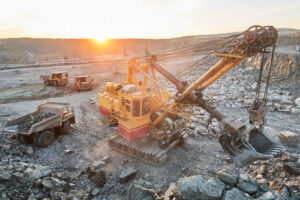
In Canada, mine camp management plays a key role in supporting workers at remote mining sites. These sites provide housing,
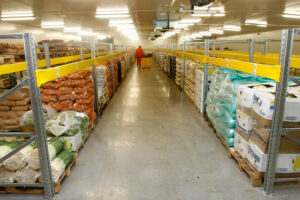
Remote food catering plays an important role in supporting workers across Canada’s most isolated job sites. Whether in the far
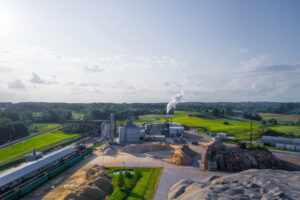
Remote camp maintenance jobs in Canada support the full lifecycle of temporary worksites—from setup (mobilization) to daily operations (maintenance) and

Remote catering companies play a vital role in supporting Canada’s vast and varied industries, especially those operating in isolated or
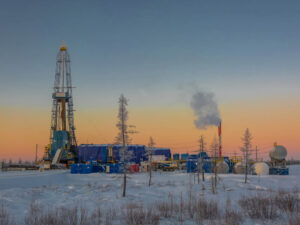
Oil and gas facilities management is a complex and critical discipline that ensures energy operations in Canada’s most remote locations
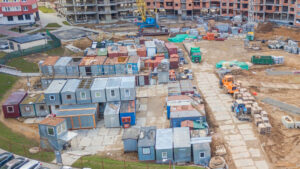
In the rugged, often isolated world of remote construction camps, construction facility management is the invisible force that sustains daily

Remote maintenance is the backbone of operational continuity in Canadian work camps, especially those located in isolated regions supporting industries
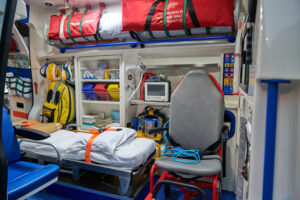
Remote camp health and safety is a vital concern in the management of Canadian remote workforce camps, especially in resource-driven

Keeping crews energized and satisfied starts with smart camp food menu ideas—especially in remote environments where morale and nutrition go

Gas remote camp mobilization is a critical operational phase in Canada’s oil and gas industry, particularly in remote and northern

When it comes to remote site security in Canadian work camps, ensuring safety and protection is paramount. These facilities, often

In Canada’s vast and resource-rich landscapes, remote site maintenance plays a pivotal role in sustaining the operations of work camps

In Canada’s vast and often isolated regions, remote camp management plays a vital role in advancing sustainability across diverse work

Remote site administration is a vital function in Canada’s most geographically isolated and operationally demanding environments. From the Arctic’s frozen