

What’s Included in Oil and Gas Facilities Management
Oil and gas facilities management is a complex and critical discipline that ensures energy operations in Canada’s most remote locations

In remote camp food catering, sustainable sourcing practices take a transformative approach to food service by embracing a philosophy that not only delights the palate but also nurtures the planet and supports local communities. From farm to fork, preparation to consumption, a sophisticated culinary voyage for every ingredient that graces the plates carries a story, from its origin on local farms to its journey to the kitchens while ensuring a minimal environmental footprint.
For many camp catering companies, local sourcing isn’t just a choice, it’s a responsibility. Sustainable food service practices begin with a deep respect for local farmers and producers. Prioritizing local ingredients helps to reduce carbon footprint, supports nearby economies, and connects residents with the flavors of the region.
Sustainable sourcing practices are built on relationships that go beyond transactions. Actively engaging with local farmers and producers, cultivating partnerships that prioritize quality, ethics, and sustainability are some green initiatives that can be included in the program. Working closely with local farmers and suppliers ensures that the ingredients sourced are not only fresh and delicious but also align with the organization’s commitment to responsible foodservice.
The changing seasons in remote landscapes offer a diverse palette of flavors, and camp food menus reflect this natural rhythm. Remote site chefs embrace seasonal ingredients, crafting menus that celebrate the uniqueness of each time of year and delivering exceptional meals that support sustainable agricultural practices that are in harmony with nature’s cycles.
The journey from farm to fork is a celebration of minimal food miles. A commitment to sustainable sourcing means that ingredients travel shorter distances, preserving their freshness and nutritional value. Minimizing transportation emissions helps contribute to a more sustainable food system that benefits the camp community and the environment.
Sustainability isn’t just about what’s on the plate; it’s about the values that underpin our choices. Sustainable sourcing practices encompass ethical considerations such as fair labor practices, animal welfare, and responsible farming methods. By choosing ingredients that align with these values, we create meals that are not only delectable but also reflective of a holistic commitment to sustainability.
From the fertile fields of local farms to the plates of camp residents, sustainable sourcing practices are woven into the fabric of foodservice philosophy. By prioritizing local partnerships, embracing seasonality, and adhering to ethical principles, we create a sustainable legacy that nourishes both body and soul. As we continue to navigate the dynamic landscapes of remote regions, sustainable foodservice bridges the gap between farm and fork with a commitment to excellence and responsibility.
In the realm of remote camp catering, a commitment to sustainable sourcing practices forms a vibrant tapestry that weaves together local partnerships, seasonal celebrations, and ethical choices. From the fields to the kitchens, a true dedication to reducing food miles, supporting communities, and embracing the richness of the land culminates in each meticulously crafted dish, we not only savor the taste but also partake in a shared vision of a more sustainable and interconnected world.
Oil and gas facilities management is a complex and critical discipline that ensures energy operations in Canada’s most remote locations
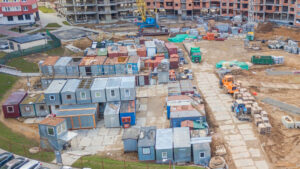
In the rugged, often isolated world of remote construction camps, construction facility management is the invisible force that sustains daily

Remote maintenance is the backbone of operational continuity in Canadian work camps, especially those located in isolated regions supporting industries

Remote camp health and safety is a vital concern in the management of Canadian remote workforce camps, especially in resource-driven

Keeping crews energized and satisfied starts with smart camp food menu ideas—especially in remote environments where morale and nutrition go

Gas remote camp mobilization is a critical operational phase in Canada’s oil and gas industry, particularly in remote and northern

When it comes to remote site security in Canadian work camps, ensuring safety and protection is paramount. These facilities, often

In Canada’s vast and resource-rich landscapes, remote site maintenance plays a pivotal role in sustaining the operations of work camps

In Canada’s vast and often isolated regions, remote camp management plays a vital role in advancing sustainability across diverse work

Remote site administration is a vital function in Canada’s most geographically isolated and operationally demanding environments. From the Arctic’s frozen

Developing a sustainable infrastructure for a remote camp facility located in the rugged, often isolated regions of Canada—such as the

In Canada’s vast and rugged landscapes, remote facility catering has evolved from a logistical challenge into a platform for sustainable

Budgeting for facility repair and maintenance in remote Canadian work sites is no small task. When miles away from urban

The process of gas remote camp mobilization in Canada is a critical operation that supports the development and maintenance of

Remote facility chefs are the unsung heroes of Canada’s sprawling wilderness operations—from fly-in camps tucked into diamond-rich tundras to energy