

7 Benefits of Professional Remote Housekeeping for Camp Operations
Maintaining a productive workforce in isolated accommodations requires more than comfortable lodging and quality amenities. In the middle of daily

The mining industry is a multifaceted sector encompassing a wide range of commodities and project phases, shaping the global economy and supporting numerous remote industries. Let’s explore the dynamic nature of mining, the vast array of commodities involved, the project phases leading up to a mine site, and the interconnectedness of mining with other remote sectors such as forestry and construction.
The mining industry is a true testament to diversity, encompassing many minerals and metals. From precious metals like gold and silver to industrial minerals such as coal, iron ore, copper, and oil and gas, the industry plays a vital role in supporting global infrastructure and economic growth. Each commodity offers unique challenges and opportunities, driving innovation and technological advancements across the sector.
The journey to a fully operational mine site involves several distinct project phases. It starts with exploration, where geologists and experts identify prospective areas for mineral deposits. Extensive surveys, sampling, and analysis are conducted to assess the economic viability of a potential mine. If feasible, the project moves into the development phase, where detailed engineering, environmental assessments, and permitting take place. Construction follows, involving the building of infrastructure, mine facilities, and processing plants. Finally, the production phase begins, where the extraction and processing of minerals occur, fueling economic growth and meeting global demand.

Mining’s impact extends far beyond its immediate operations. The industry serves as a catalyst for other remote sectors, including forestry and construction. In regions where mining activities are prevalent, these industries often thrive, supplying essential materials, equipment, and services. Timber for mine construction, specialized equipment for mining operations, and a skilled workforce are just a few examples of the symbiotic relationship between mining and other remote industries. The interconnectedness between these sectors drives regional development, employment opportunities, and economic prosperity.
The mining industry often operates in remote and challenging environments, such as Arctic regions, mountainous terrains, or desolate landscapes. Overcoming these obstacles requires innovative solutions, advanced logistics, and robust infrastructure. Remote mine sites require comprehensive support services, including camp management, transportation logistics, communications, and health and safety measures. Experienced service providers play a crucial role in delivering efficient and reliable solutions to ensure the smooth operation of remote mining projects.

The mining industry is a dynamic and diverse sector that fuels economic growth, supplies essential commodities, and drives technological advancements. From the vast array of commodities to the project phases leading up to a mine site, the industry’s scope is immense. Its interconnections with other remote sectors such as forestry and construction amplify its impact, generating a ripple effect that contributes to regional development and prosperity. As the mining industry continues to evolve and face new challenges, the importance of experienced and innovative service providers becomes paramount to be able to navigate the intricacies of remote site services, support the growth of its interconnected industries, and shape a sustainable future for this vital sector.
Maintaining a productive workforce in isolated accommodations requires more than comfortable lodging and quality amenities. In the middle of daily
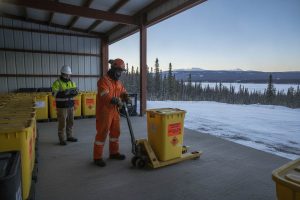
Remote operations in Canada take place in challenging environments where multiple systems must work together smoothly — including accommodation, logistics,
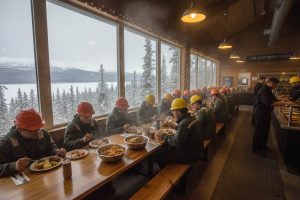
Industrial operations in Canada—whether in oil sands, mining regions, forestry zones, or large-scale construction corridors—depend on one critical but often
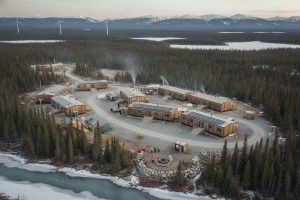
When organizations evaluate large-scale industrial work in places like Northern Alberta, British Columbia, or Newfoundland and Labrador, a remote site

Across Canada’s resource-driven economy, workforce accommodations play a critical role in keeping major projects running smoothly. In sectors such as
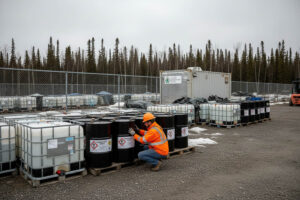
Remote operations in Canada involve multiple integrated systems working together — including accommodation, logistics, safety, and environmental controls. In sectors
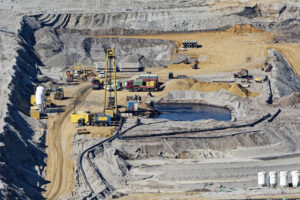
Mining in Canada isn’t just about extracting resources — it’s about sustaining teams through remote camp services in Canadian mining
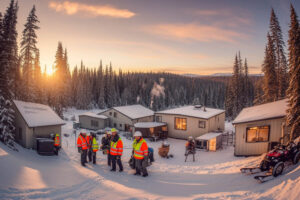
When comparing modular camps vs remote camps, many companies in Canada assume the terms mean the same thing. While the

In places like Fort McMurray’s oil sands or Kitimat’s LNG projects, remote catering companies play a vital role in supporting
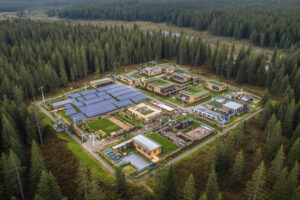
As industrial activity expands into environmentally sensitive regions, sustainable remote camp services Canada are becoming essential to balancing operational efficiency
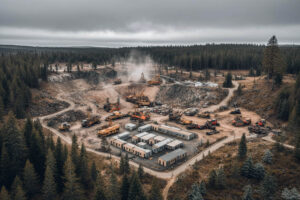
Across vast and isolated regions, remote camp services in Canada play a crucial role in enabling industries to operate efficiently
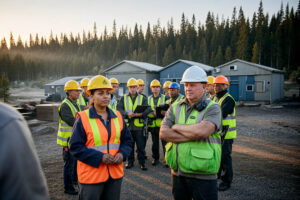
Effective remote site management is crucial for organizations operating in Canada’s isolated work environments, such as oil sands sites in
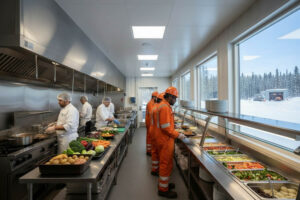
Remote site food catering services play a crucial role in sustaining Canada’s diverse industries, from mining and oil to forestry
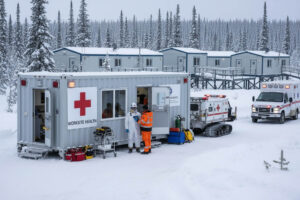
Remote site medical support plays a critical role in safeguarding the health and safety of employees working in Canada’s most
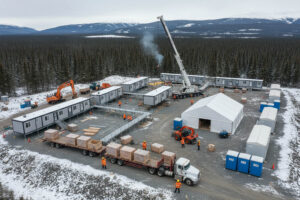
Mobilizing operations in challenging environments requires precision, planning, and expertise. That’s why remote camp mobilization is at the heart of