
Remote Camp Hazardous Waste Checklist Canada: Compliance & Operations Guide
Remote operations in Canada take place in challenging environments where multiple systems must work together smoothly — including accommodation, logistics,
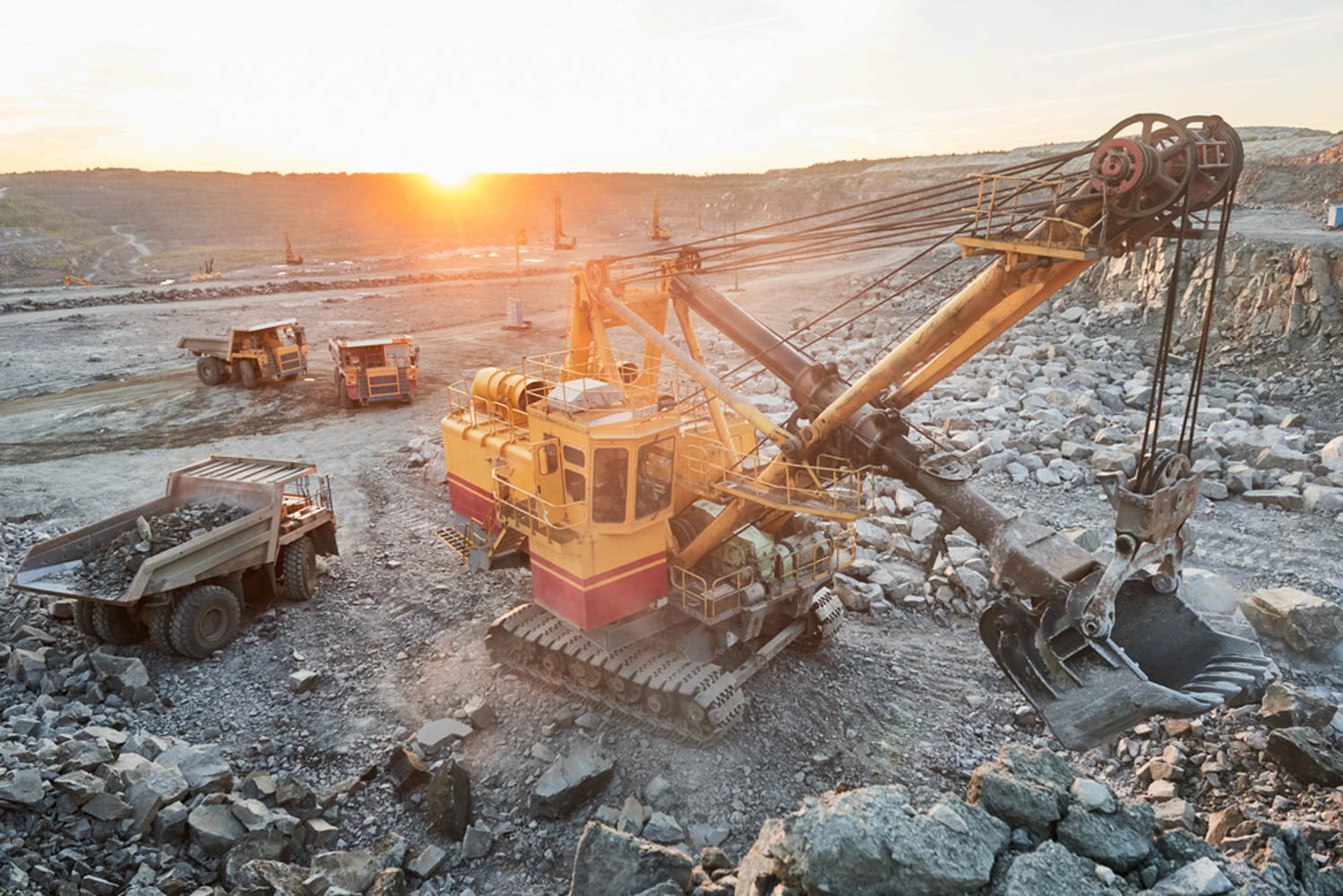
In Canada, mine camp management plays a key role in supporting workers at remote mining sites. These sites provide housing, meals, and essential services in areas where permanent infrastructure is limited. You’ll find these drill sites spread across the country—from the gold and base metal operations in Ontario’s Red Lake and Sudbury regions, to the diamond-rich zones near the Ekati and Diavik mines in the Northwest Territories, and the copper and molybdenum camps in British Columbia’s Highland Valley. In Quebec, mining work sites support iron ore and gold mining in regions like Abitibi and Labrador Trough. These remote mining operations are vital to Canada’s resource economy, but they must also meet strict environmental standards and community expectations.
Mining installations must follow both national and local laws. These rules help ensure extraction outposts are safe, respectful of nature, and fair to nearby communities.
At the federal level, Canada requires environmental reviews for large mining projects. These reviews look at how a field base might affect land, water, wildlife, and people. Pollution laws also limit what can be released into the air and water, helping protect fish, birds, and other animals. For example, mining outposts near lakes or rivers must follow strict water discharge rules to avoid harming aquatic life.
Wildlife protection laws are especially important near sensitive areas like the Ekati diamond mines, where rare species and fragile ecosystems may be nearby. These laws help ensure mining doesn’t disturb endangered animals or migratory birds.
Each province or territory adds its own layer of rules. In Ontario, for instance, mining companies must submit detailed plans for cleaning up the land once the site closes. In British Columbia, there’s a strong focus on preparing for climate change, including flood risks and wildfire safety. Quebec emphasizes water conservation and biodiversity protection.
These regional rules shape everything from camp layout to how companies handle waste and emergencies. They also influence how mine remote facility services are delivered, ensuring that operations meet local expectations.
Protecting the environment is a central part of responsible mine camp management in Canada. These extraction sites are often located in remote, ecologically sensitive areas, so every decision—from how water is used to how waste is handled—can have lasting effects on the land, wildlife, and nearby communities.
Remote mining operations rely on water for cooking, cleaning, and sanitation. Wastewater—including greywater and blackwater—must be treated before release, meeting strict discharge standards. In regions like northern Ontario or the Northwest Territories, protecting water near lakes and rivers is especially critical. Stormwater also needs control; drainage systems and erosion barriers help prevent runoff into waterways.
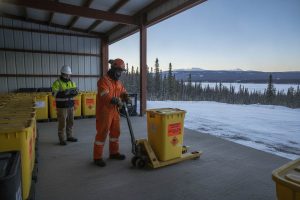
Mine sites generate food waste, packaging, and industrial materials. Many partner with mine site cleaning companies and remote facility janitorial services to manage waste safely. Hazardous items like fuel and batteries require secure storage and labeling. Spill kits and emergency plans are standard across Canadian sites.
Generators and vehicles produce dust, fumes, and noise. Mining stations monitor air quality and may switch to cleaner fuels or renewables to reduce their footprint. Noise is managed with sound barriers and limited operating hours, especially near wildlife or Indigenous communities.
Mining stations must avoid disturbing wildlife. This includes nesting areas and migration routes. In regions like the Ekati diamond mines, remote mining operations work with Indigenous groups to monitor caribou and adjust operations. Lighting is also controlled—shielded fixtures and motion sensors help reduce light pollution.
Resource extraction sites must be ready for accidents. Plans for spills, fires, and equipment failures include evacuation procedures and containment strategies. Regular drills and staff training are essential. Some sites rely on remote facility cleaning teams and a remote camp manager to oversee daily operations and respond quickly.
Planning for Closure and Reclamation
Before opening, companies must plan for closure. This includes restoring land, setting aside funds, meeting regulations, and engaging communities. Restoration may begin during operations—known as progressive reclamation. Responsible diamond mine remote camp management ensures the land is protected for future generations.
Many mining sites are located near Indigenous lands. Respectful partnerships are not just good practice—they’re required by law.
Before building or expanding a mining station, companies must consult with Indigenous groups. These conversations help identify concerns, share knowledge, and build trust. Indigenous communities often contribute Traditional Ecological Knowledge, which can improve environmental planning and help protect sacred sites or culturally important species.
Resource extraction sites also offer jobs and training opportunities. Roles like remote camp manager are often filled by local residents, creating economic benefits for nearby communities. When done right, these partnerships support long-term relationships and shared success.
Running a mining camp takes careful planning and coordination. Workers need food, clean living spaces, and safe surroundings—especially in remote areas.
Camps rely on a range of support services:
These services are often provided by specialized contractors who understand the unique needs of remote operations. Together, they form the backbone of diamond mine facility management, keeping camps functional and comfortable.
Canada’s changing climate presents new challenges for mining camps. Rising temperatures, unpredictable weather, and extreme events like wildfires or floods can threaten infrastructure and safety.
Camps must be designed to handle these risks. That might mean building on higher ground, installing firebreaks, or using renewable energy sources like solar panels. In northern regions, melting permafrost can destabilize buildings, so extra precautions are needed.
Teams that specialize in gold mine remote facility services and mine remote facility maintenance play a key role in adapting to these conditions. Their work helps ensure camps stay safe and operational, even in harsh environments.
Closure is not just the end of operations—it’s the beginning of environmental recovery. When the time comes to shut down a mining station, the focus shifts from planning to action. This phase involves dismantling infrastructure, cleaning up the site, and monitoring the land to ensure it heals properly.
Key steps during mining site closure include:
This phase is about fulfilling the promise made during planning: leaving the land better prepared for its next chapter.
Remote mining operations are more than temporary shelters—they’re living communities that reflect how we balance industry, environment, and human connection. When thoughtfully managed, they can support economic growth while respecting the land and the people who call it home. From clean water and safe housing to meaningful partnerships with Indigenous communities, every detail matters.
As Canada’s mining industry evolves, so do the expectations for how mining facilities are built and run. Clean energy, climate resilience, and community engagement are no longer optional—they’re essential. Meeting these challenges starts with strong, thoughtful mine camp management.
Partner with experts who prioritize safety, sustainability, and community in every detail. At Domco, we help you manage your remote mining sites with purpose, accountability, and care.
Remote operations in Canada take place in challenging environments where multiple systems must work together smoothly — including accommodation, logistics,
Industrial operations in Canada—whether in oil sands, mining regions, forestry zones, or large-scale construction corridors—depend on one critical but often
When organizations evaluate large-scale industrial work in places like Northern Alberta, British Columbia, or Newfoundland and Labrador, a remote site

Across Canada’s resource-driven economy, workforce accommodations play a critical role in keeping major projects running smoothly. In sectors such as
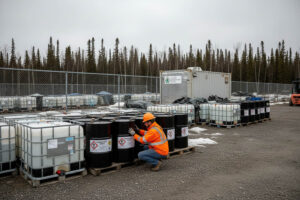
Remote operations in Canada involve multiple integrated systems working together — including accommodation, logistics, safety, and environmental controls. In sectors
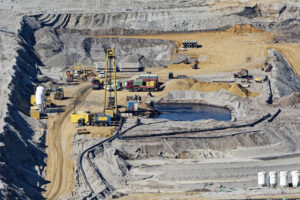
Mining in Canada isn’t just about extracting resources — it’s about sustaining teams through remote camp services in Canadian mining
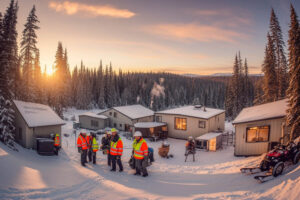
When comparing modular camps vs remote camps, many companies in Canada assume the terms mean the same thing. While the

In places like Fort McMurray’s oil sands or Kitimat’s LNG projects, remote catering companies play a vital role in supporting
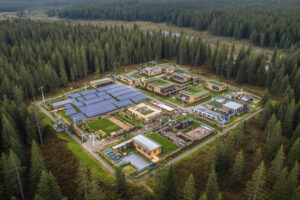
As industrial activity expands into environmentally sensitive regions, sustainable remote camp services Canada are becoming essential to balancing operational efficiency
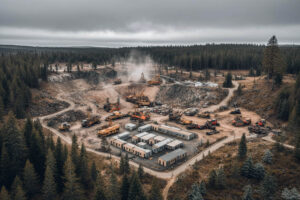
Across vast and isolated regions, remote camp services in Canada play a crucial role in enabling industries to operate efficiently
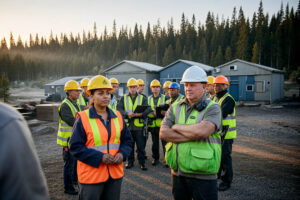
Effective remote site management is crucial for organizations operating in Canada’s isolated work environments, such as oil sands sites in
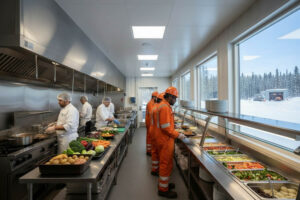
Remote site food catering services play a crucial role in sustaining Canada’s diverse industries, from mining and oil to forestry
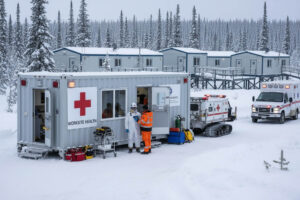
Remote site medical support plays a critical role in safeguarding the health and safety of employees working in Canada’s most
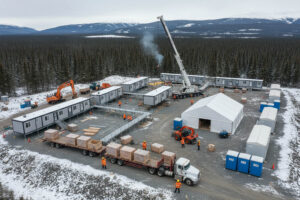
Mobilizing operations in challenging environments requires precision, planning, and expertise. That’s why remote camp mobilization is at the heart of
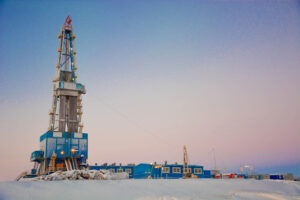
In demanding industrial environments, maintaining safety and stability is essential, and remote site security plays a critical role in protecting