

Remote Maintenance Challenges in Canadian Work Camps
Remote maintenance is the backbone of operational continuity in Canadian work camps, especially those located in isolated regions supporting industries

In remote and extreme environments, efficient diamond mine camp management is crucial to providing workers with safe and comfortable living conditions while maintaining smooth operations and minimizing environmental impact.
Canada is home to some of the world’s most renowned diamond mines, such as the Ekati diamond mines and The Diavik Diamond Mine—both are located in the remote Northwest Territories. Diamond mining is a highly specialized industry, with the sector contributing a significant role in:
Operating a diamond mine in the Northwest Territories presents a unique set of challenges: subarctic temperatures, logistical isolation, limited access to infrastructure, and short resupply windows. To ensure efficiency, safety, and sustainability, camp management must go far beyond just providing accommodations.
Let’s explore some best practices for managing a remote camp facility in the diamond mines of Canada.
Diamond mine camps operate in regions where access is limited to air travel and winter ice roads. It’s critical that the setup and breakdown of the camp infrastructure must be strategically designed to withstand harsh weather conditions and provide functional living and working spaces.
Best practices include:
Diamond mines are often located in isolated regions, requiring careful logistical planning to transport workers, equipment, and supplies. In many cases, there’s only a 6–10 week window when ice roads are open. Remote scheduled tasks management is critical for the strategic planning and automation of essential operations in transporting heavy infrastructure, fuel, and bulk supplies to and from the camp.
Best practices include:
Providing high-quality accommodations directly impacts worker morale and productivity.
Best practices include:
Living in remote mining camps for extended periods can lead to psychological distress that workers may experience due to prolonged isolation, harsh environmental conditions, and limited social interaction.
Best practices include:

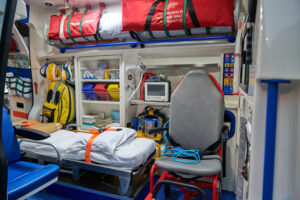
Safety is a top priority, and diamond mine camps must be equipped with a health and safety policy for remote workers to handle emergencies.
Best practices include:
Diamond mining takes place in pristine environments, often close to wildlife habitats, rivers, and fragile ecosystems. Responsible environmental practices and sustainable energy solutions are essential for maintaining public trust and meeting strict Canadian regulations to reduce environmental impact.
Best practices include:
Many diamond mines operate on or near Indigenous lands. An effective camp management company understands how to prioritize strong collaborations with local communities—not only to meet regulatory obligations, but to foster lasting, mutually beneficial relationships.
Best practices include:
Technology is revolutionizing remote camp management services—from digital scheduling to automated systems that improve safety and resource use.
Best practices include:
Technology not only improves camp efficiency but also reduces human error and administrative burden.

A well-run camp prioritizes worker well-being, environmental responsibility, cultural sensitivity, and operational efficiency to ensure safe, ethical, and productive mining operations. The focus of diamond mine camp management is not simply about housing workers—it’s about creating a safe, inclusive, and well-functioning ecosystem in some of the most challenging remote work environments in Canada.
Remote maintenance is the backbone of operational continuity in Canadian work camps, especially those located in isolated regions supporting industries
Remote camp health and safety is a vital concern in the management of Canadian remote workforce camps, especially in resource-driven

Keeping crews energized and satisfied starts with smart camp food menu ideas—especially in remote environments where morale and nutrition go

Gas remote camp mobilization is a critical operational phase in Canada’s oil and gas industry, particularly in remote and northern

When it comes to remote site security in Canadian work camps, ensuring safety and protection is paramount. These facilities, often

In Canada’s vast and resource-rich landscapes, remote site maintenance plays a pivotal role in sustaining the operations of work camps

In Canada’s vast and often isolated regions, remote camp management plays a vital role in advancing sustainability across diverse work

Remote site administration is a vital function in Canada’s most geographically isolated and operationally demanding environments. From the Arctic’s frozen

Developing a sustainable infrastructure for a remote camp facility located in the rugged, often isolated regions of Canada—such as the

In Canada’s vast and rugged landscapes, remote facility catering has evolved from a logistical challenge into a platform for sustainable

Budgeting for facility repair and maintenance in remote Canadian work sites is no small task. When miles away from urban

The process of gas remote camp mobilization in Canada is a critical operation that supports the development and maintenance of

Remote facility chefs are the unsung heroes of Canada’s sprawling wilderness operations—from fly-in camps tucked into diamond-rich tundras to energy

Exploration remote camp mobilization in Canada is a critical logistical and operational process that supports field-based activities in some of

Remote off site monitoring is transforming how Canada’s resource sectors manage operations across vast and isolated landscapes, making it a