

7 Benefits of Professional Remote Housekeeping for Camp Operations
Maintaining a productive workforce in isolated accommodations requires more than comfortable lodging and quality amenities. In the middle of daily

Exploration remote camp mobilization in Canada is a critical logistical and operational process that supports field-based activities in some of the country’s most isolated and environmentally sensitive regions. From the rugged terrains of the Yukon to the boreal forests of Quebec, mobilizing remote camps enables industries to conduct exploration, research, and development far from established infrastructure.
At its core, the process involves the transportation, setup, and operation of temporary camps designed to support exploration teams in remote areas. These resident camps are often modular, self-contained units that include accommodations, kitchens, sanitation facilities, communications systems, and emergency services. Mobilization typically begins with site selection and planning, followed by the delivery of materials, equipment, and personnel via road, air, or water routes.
The process also includes exploration camp management, which ensures that the work camp operates efficiently and safely throughout the project lifecycle. This involves coordinating logistics, maintaining infrastructure, and overseeing services such as exploration remote food catering services, remote facility cleaning, and remote site housekeeping.
Several Canadian industries depend heavily on exploration remote camp mobilization to access untapped resources and conduct fieldwork:
These industries often require modular camps and modular site offices due to their adaptability and ease of deployment across diverse terrains.
Mobilizing resident camps is a multi-phase operation that includes:
The camps must also comply with remote camp health and safety standards, ensuring that workers are protected from environmental hazards and emergencies.
Mobilizing and operating remote camps in Canada presents a unique set of challenges:
Many exploration sites are located hundreds of kilometers from the nearest town. Transporting equipment and personnel often requires helicopters, ice roads, or barges. This isolation complicates supply chains and increases costs.
Canada’s northern regions experience extreme cold, snowstorms, and seasonal disruptions. Camps must be built to withstand these conditions, requiring durable materials and weatherproof designs.
Remote areas often overlap with protected ecosystems or Indigenous territories. Mobilization must be conducted with minimal ecological disruption, incorporating sustainable practices and exploration facility management that respects local land use.
Projects must adhere to federal and provincial regulations, including environmental assessments, Indigenous consultation, and building codes. This adds layers of complexity to planning and execution.
Extended stays in isolated camps can affect mental health and morale. Providing comfortable accommodations, recreational facilities, and reliable communication is essential.

A skilled camp management company plays a pivotal role in overcoming the unique hurdles of mobilizing and operating remote exploration camps in Canada. To address these obstacles, companies employ several strategic solutions.
Maintaining a functional and hygienic work camp requires a suite of support services:
These services are coordinated through exploration remote site management, which oversees day-to-day operations and ensures compliance with health and safety standards.
Beyond logistics and infrastructure, exploration remote camp mobilization is about people. Workers spend weeks or months away from home, often in challenging conditions. Creating a supportive environment—through quality food, clean facilities, and recreational opportunities—can make the difference between a successful project and high turnover.
Companies also invest in mental health resources, peer support networks, and cultural sensitivity training to foster a respectful and inclusive work camp culture.
Canada’s resource-rich but remote frontiers demand innovation, resilience, and collaboration. From modular living quarters to eco-conscious energy systems, mobile camps play a vital role in unlocking opportunities in isolated terrains. By overcoming geographic, environmental, and operational challenges, industries continue to push boundaries while maintaining safety, sustainability, and respect for Indigenous lands and ecosystems.
Ultimately, the success of any remote field operation rests on the strength of its infrastructure, people, and services—and all of that is made possible through exploration remote camp mobilization.
Need Remote Camp Support You Can Trust? Partner with us for expert mobilization, reliable facilities, and customized modular solutions. Contact the Domco Group today.
Maintaining a productive workforce in isolated accommodations requires more than comfortable lodging and quality amenities. In the middle of daily
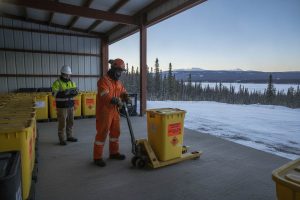
Remote operations in Canada take place in challenging environments where multiple systems must work together smoothly — including accommodation, logistics,
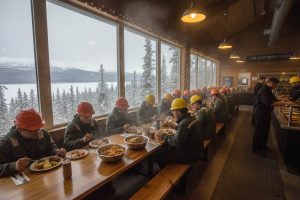
Industrial operations in Canada—whether in oil sands, mining regions, forestry zones, or large-scale construction corridors—depend on one critical but often
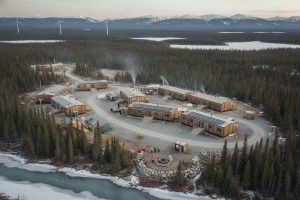
When organizations evaluate large-scale industrial work in places like Northern Alberta, British Columbia, or Newfoundland and Labrador, a remote site

Across Canada’s resource-driven economy, workforce accommodations play a critical role in keeping major projects running smoothly. In sectors such as
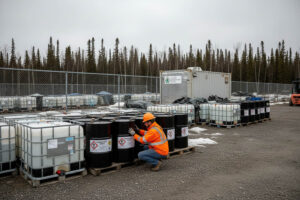
Remote operations in Canada involve multiple integrated systems working together — including accommodation, logistics, safety, and environmental controls. In sectors
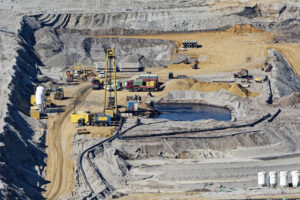
Mining in Canada isn’t just about extracting resources — it’s about sustaining teams through remote camp services in Canadian mining
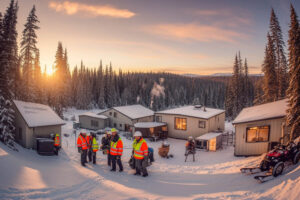
When comparing modular camps vs remote camps, many companies in Canada assume the terms mean the same thing. While the

In places like Fort McMurray’s oil sands or Kitimat’s LNG projects, remote catering companies play a vital role in supporting
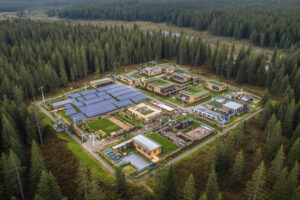
As industrial activity expands into environmentally sensitive regions, sustainable remote camp services Canada are becoming essential to balancing operational efficiency
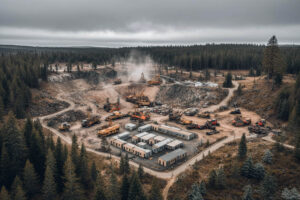
Across vast and isolated regions, remote camp services in Canada play a crucial role in enabling industries to operate efficiently
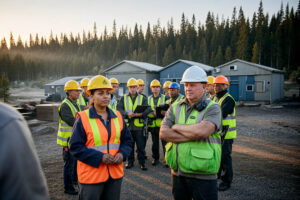
Effective remote site management is crucial for organizations operating in Canada’s isolated work environments, such as oil sands sites in
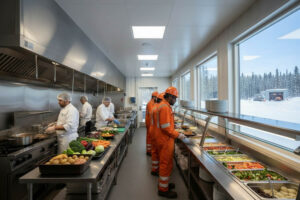
Remote site food catering services play a crucial role in sustaining Canada’s diverse industries, from mining and oil to forestry
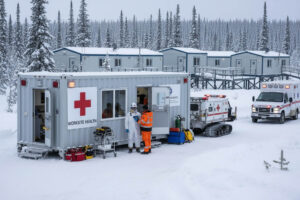
Remote site medical support plays a critical role in safeguarding the health and safety of employees working in Canada’s most
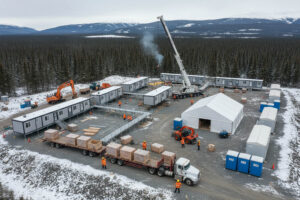
Mobilizing operations in challenging environments requires precision, planning, and expertise. That’s why remote camp mobilization is at the heart of