
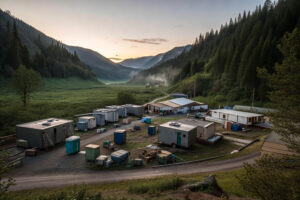
Forestry Remote Camp Mobilization Strategies That Work
Industries working in isolated forest regions rely on forestry remote camp mobilization to ensure their teams are deployed quickly, safely,

Industries working in isolated forest regions rely on forestry remote camp mobilization to ensure their teams are deployed quickly, safely, and effectively. From logging operations in northern British Columbia to silviculture initiatives across Quebec, mobilization strategies determine how well housing, logistics, and support services come together in challenging environments. Efficient mobilization is not just about moving people and equipment—it’s about creating safe, sustainable, and supportive communities where workers can thrive while contributing to vital resource sector projects.
Mobilization strategies directly impact productivity, safety, and worker satisfaction. When facilities are poorly organized, delays occur, morale drops, and costs rise. By contrast, well‑planned mobilization ensures that:
This is where forestry facility management plays a central role, coordinating everything from accommodation layouts to supply chain efficiency. In practice, this means anticipating workforce needs, aligning resources with project timelines, and ensuring that every worker has access to essential services from day one.
Mobilizing a workforce in isolated forest industry sites requires careful planning across multiple areas. Unlike other sectors, logging and silviculture initiatives often take place in rugged terrain, far from established infrastructure, which makes the setup of facilities and services even more critical. Each component of mobilization directly impacts worker safety, comfort, and productivity.
Together, these components form the backbone of forestry remote camp services, ensuring that workers can focus on their tasks without worrying about basic needs.
Housing solutions are central to mobilization. Workforce housing solutions for forestry projects must balance comfort, safety, and efficiency. This often involves:
Logistics also play a major role. Remote site logistics forestry sector covers transportation of materials, food, and equipment. Efficient logistics reduce costs and ensure workers have what they need to perform effectively. For example, coordinated supply chains can prevent shortages of essential items like fuel or medical supplies, while minimizing environmental impact through optimized transport routes.
Modern strategies emphasize environmental responsibility. Sustainable camp operations in Canada focus on minimizing ecological impact while maintaining worker comfort. This includes:
By integrating sustainability, companies not only meet regulatory standards but also build trust with local communities. This approach demonstrates respect for the land and ensures that operations align with broader environmental goals.
Organizations can adopt several proven approaches to strengthen mobilization efforts:
These align with best practices for mobilizing forestry camps in Canada, ensuring that operations run smoothly and workers feel supported.
Housing is often the most complex aspect of mobilization. Strategies for how to streamline workforce housing in Canadian forestry projects include:
These approaches ensure that workers can settle quickly and focus on their tasks, while reducing logistical burdens on management teams.
Mobilization strategies apply across multiple resource sectors:
Each sector adapts mobilization principles to its unique challenges, but the core goal remains the same: efficient, safe, and supportive deployment.
Effective mobilization strategies are essential for industries operating in isolated environments. By combining infrastructure planning, logistics coordination, sustainability practices, and community engagement, organizations can create supportive environments that enhance worker well‑being and operational success. Ultimately, forestry remote camp mobilization ensures that resource projects across Canada are not only efficient but also equitable, sustainable, and resilient.
At DOMCO, we understand the unique challenges of deploying teams to isolated forestry sites. Our solutions are designed to make life on location safer, more comfortable, and more connected — from housing and dining to security and recreation.
Let’s work together to streamline mobilization for your forestry operations, ensuring your workforce has the support they need to succeed. Contact us today to start building stronger, more resilient communities in the field.
Industries working in isolated forest regions rely on forestry remote camp mobilization to ensure their teams are deployed quickly, safely,

Resident camps in Canada are more than temporary housing sites for workers in industries like mining, forestry, energy, and construction.
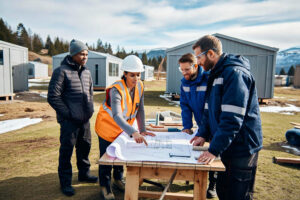
A remote facility is more than just a temporary shelter—it is a comprehensive hub designed to support workers and operations

The primary objective of hiring remote janitorial services in offsite construction camps is to uphold health, safety, and operational efficiency

Remote camp maintenance jobs play a vital role in Canada’s resource and industrial sectors, supporting mining, oil and gas, hydroelectric,
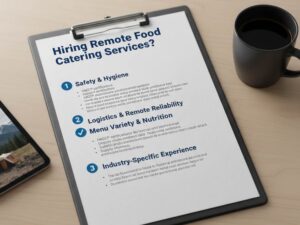
When planning a large-scale project in a challenging location, remote food catering becomes one of the most critical services to
Remote health and safety is a critical component in the management and operation of Canadian field camps, especially those situated

Janitorial camp services are the backbone of operational success in Canada’s energy sector, especially in remote oil and gas sites

Remote catering companies play a vital role in keeping workers safe, nourished, and productive across Canada’s industrial sectors. Whether supporting
Exploration remote site services play a foundational role in enabling Canada’s most strategically important industries to operate in some of

Selecting the right oil and gas facility maintenance provider is a pivotal decision for companies operating in Canada’s remote regions—from
In Canada, mine camp management plays a key role in supporting workers at remote mining sites. These sites provide housing,
Remote food catering plays an important role in supporting workers across Canada’s most isolated job sites. Whether in the far
Remote camp maintenance jobs in Canada support the full lifecycle of temporary worksites—from setup (mobilization) to daily operations (maintenance) and

Remote catering companies play a vital role in supporting Canada’s vast and varied industries, especially those operating in isolated or