
Remote Camp Hazardous Waste Checklist Canada: Compliance & Operations Guide
Remote operations in Canada take place in challenging environments where multiple systems must work together smoothly — including accommodation, logistics,
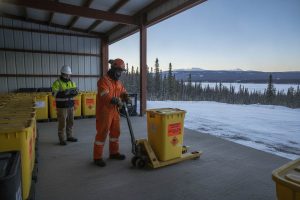
Remote operations in Canada involve multiple integrated systems working together — including accommodation, logistics, safety, and environmental controls. In sectors such as northern mining exploration in Ontario and the Northwest Territories, hydroelectric construction projects in Quebec and Manitoba, and oil sands operations in Alberta, these systems often function in isolated environments with limited external infrastructure.
Hazardous materials handling is one part of this wider system. It is not treated as a standalone function, but something that must be built into how a site is planned and managed.
This guide provides a simple overview of how hazardous waste management remote camps Canada is typically approached, from basic understanding through to storage, transport, and compliance.
Hazardous materials are any substances that can be harmful to people or the environment if not handled correctly.
In field-based operations, this often includes:
Understanding what is being produced is the first step in hazardous material handling in isolated operations.
Field locations differ from standard workplaces because they are:
This makes environmental compliance in remote operations Canada more dependent on planning, structure, and consistency.
If materials are not managed properly, they can quickly become a storage, safety, or logistics challenge on site.
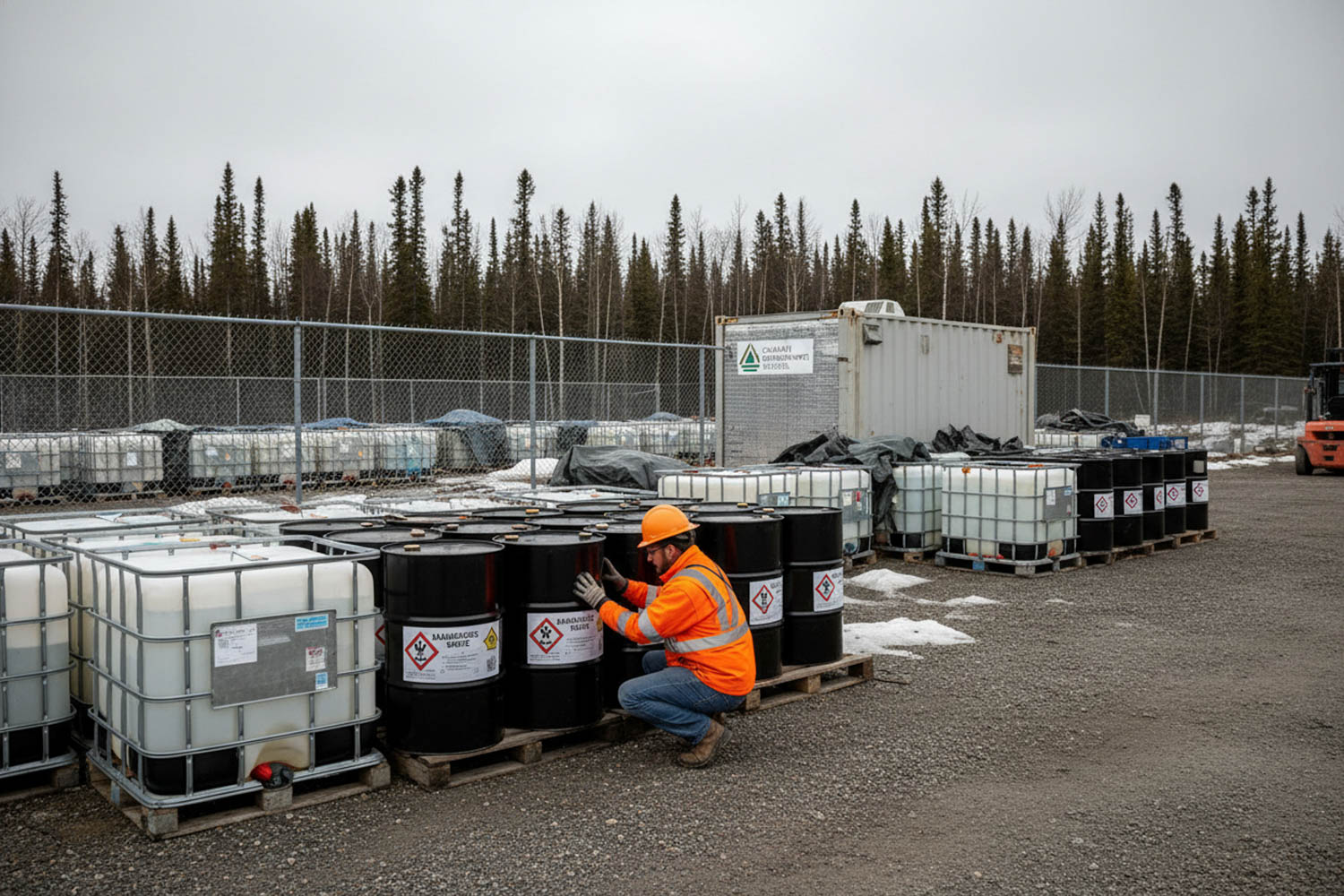
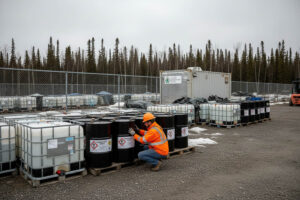
In most isolated operations, materials are not removed immediately. They are stored temporarily until transport is possible.
Typical steps include:
These basic steps support environmental compliance checklist Canada requirements and help keep the site organized and safe. This means that maintaining clear and consistent handling practices on site helps ensure compliance with environmental checklists during audits or inspections, while also supporting safe and organized storage of materials in remote operations.
Materials are usually removed in scheduled collections rather than continuously.
This process depends on:
Planning is important because delays can affect storage capacity and overall site operations.
This is a key part of off-site hazardous material handling procedures. This involves coordinating transport logistics and timing to ensure hazardous materials are safely removed from site without disrupting operations or exceeding on-site storage capacity.
For example, in a remote Canadian mining camp in the Northwest Territories, used oil, solvents, and contaminated containers may be temporarily stored in a secured, labelled waste area and then scheduled for pickup by a licensed carrier during the short summer road-access window, since winter conditions can limit transport routes and delay removal.
Every stage of handling needs to be recorded.
This usually includes:
These records support industrial site compliance Canada and help demonstrate that proper procedures were followed. This documentation provides evidence that materials were managed properly throughout their lifecycle, which is essential for audits, regulatory checks, and ensuring accountability in environmental compliance.
For example, in the oil and gas sector, a drilling contractor may record details of drilling mud usage, temporary storage in lined pits or tanks, transport by licensed waste haulers, and final disposal at an approved treatment facility to demonstrate compliance with environmental regulations during regulatory inspections or audits.
Because isolated operations are often far from emergency support, basic preparedness is essential.
Common measures include:
This supports overall remote operations safety and compliance practices Canada and reduces on-site risk. This approach helps ensure that even in remote locations, workers can respond quickly to spills or incidents, maintaining safety standards and reducing the likelihood of environmental impact while awaiting external assistance.
For example, in a remote Canadian mining exploration camp in northern Ontario, fuel, oils, and chemicals may be stored in designated bunded areas with spill kits placed at fuel transfer points, and field staff are trained to immediately contain small spills before they spread, since external emergency response teams may be several hours or days away.
Most isolated operations rely on teams who are not specialists, so training must be simple and consistent.
This usually includes:
Consistency is more important than complexity in supporting environmental compliance expectations in field operations Canada.This means that clear, repeatable procedures that everyone follows the same way are more effective for meeting environmental requirements than overly detailed or complicated systems that are difficult to apply in remote or non-specialist field settings.
Most sites rely on external partners to collect and process hazardous materials.
Good coordination usually includes:
Service providers play an important role in supporting industrial site compliance Canada, especially in isolated environments. In practice, this involves service providers helping to maintain compliance by ensuring consistent pickup schedules, proper handling procedures, and accurate documentation across remote or hard-to-access sites.
Even simple systems can be improved through regular review.
Common improvements include:
These ongoing improvements help strengthen hazardous waste management remote camps Canada practices over time. In practical terms, this means that small, regular changes such as improving storage layouts, adjusting transport schedules, and learning from past incidents gradually make waste handling in remote camps more efficient, reliable, and easier to manage in day-to-day operations.
In remote operations, hazardous material handling is only one part of a much larger system that includes logistics, safety, accommodation, workforce management, and environmental controls.
When viewed in isolation, it can feel like a compliance requirement. In practice, it is closely connected to how well the entire site is designed and operated.
A well-structured approach to hazardous waste management remote camps Canada supports smoother operations overall — from reducing storage pressure on site to improving transport planning and safety performance.
In the end, strong environmental practices are part of how reliable and well-run remote operations are delivered in Canada.
Operational performance depends on how well all systems work together — including logistics, safety, workforce coordination, and environmental controls.
We support operators in designing and managing integrated remote site systems across Canada, helping ensure operations run smoothly, consistently, and in line with project requirements.
Contact us to learn more about our remote camp management services or discuss your project. Call the Domco Group at (416) 449-7333 or schedule a consultation today.
Remote operations in Canada take place in challenging environments where multiple systems must work together smoothly — including accommodation, logistics,
Industrial operations in Canada—whether in oil sands, mining regions, forestry zones, or large-scale construction corridors—depend on one critical but often
When organizations evaluate large-scale industrial work in places like Northern Alberta, British Columbia, or Newfoundland and Labrador, a remote site

Across Canada’s resource-driven economy, workforce accommodations play a critical role in keeping major projects running smoothly. In sectors such as
Remote operations in Canada involve multiple integrated systems working together — including accommodation, logistics, safety, and environmental controls. In sectors
Mining in Canada isn’t just about extracting resources — it’s about sustaining teams through remote camp services in Canadian mining
When comparing modular camps vs remote camps, many companies in Canada assume the terms mean the same thing. While the

In places like Fort McMurray’s oil sands or Kitimat’s LNG projects, remote catering companies play a vital role in supporting
As industrial activity expands into environmentally sensitive regions, sustainable remote camp services Canada are becoming essential to balancing operational efficiency
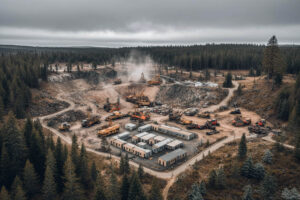
Across vast and isolated regions, remote camp services in Canada play a crucial role in enabling industries to operate efficiently
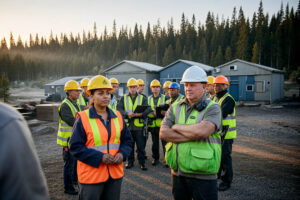
Effective remote site management is crucial for organizations operating in Canada’s isolated work environments, such as oil sands sites in
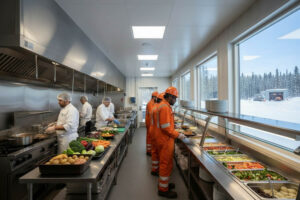
Remote site food catering services play a crucial role in sustaining Canada’s diverse industries, from mining and oil to forestry
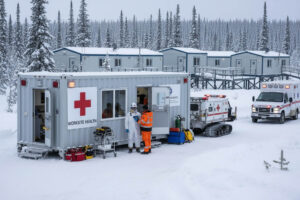
Remote site medical support plays a critical role in safeguarding the health and safety of employees working in Canada’s most
Mobilizing operations in challenging environments requires precision, planning, and expertise. That’s why remote camp mobilization is at the heart of

In demanding industrial environments, maintaining safety and stability is essential, and remote site security plays a critical role in protecting