

7 Benefits of Professional Remote Housekeeping for Camp Operations
Maintaining a productive workforce in isolated accommodations requires more than comfortable lodging and quality amenities. In the middle of daily
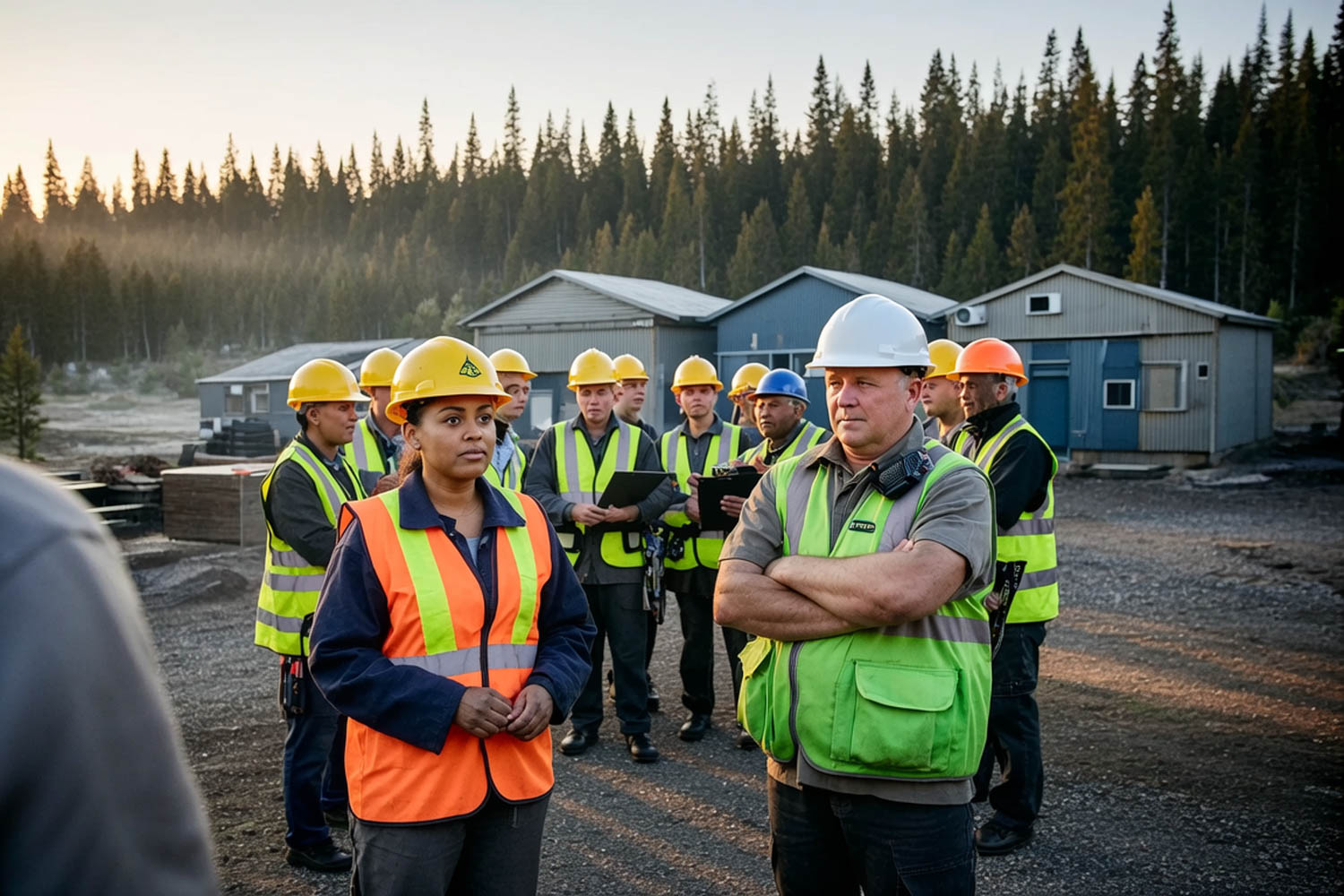
Effective remote site management is crucial for organizations operating in Canada’s isolated work environments, such as oil sands sites in Alberta, diamond mines in the Northwest Territories, and remote exploration or processing facilities across northern regions. Teams handle tasks ranging from food catering services and housekeeping to facility maintenance and mobilization. Ensuring staff well-being through proper workplace practices is not only essential for safety but also improves overall operational efficiency. This guide explores practical tips to maintain comfort, prevent strain, and support health for field teams working in Canada’s demanding remote industries.
A well-organized workspace can drastically reduce physical strain and promote staff well-being. Here’s how to optimize your field site operations:
These simple adjustments help teams focus on tasks while maintaining a safer and healthier environment.
Field teams often work in physically challenging and isolated conditions, so having clear remote site health and safety measures is essential.
Focusing on field team safety not only minimizes physical risk but also boosts productivity and morale.
Encouraging healthy habits in remote operations supports workplace wellness and long-term productivity.
Healthy routines reduce physical strain and keep staff energized throughout operational tasks.
Operational efficiency and safety go hand in hand. Organized planning reduces physical and cognitive stress on staff.
A structured approach ensures smooth operations while maintaining a healthy work environment.
Providing safe, comfortable, and well-organized accommodations is essential for the well-being of field teams. Implementing these best practices ensures staff are healthy, alert, and productive during demanding shifts:
By implementing these strategies, facilities in challenging environments—like oil sands operations, diamond mining sites, or remote processing facilities—can create a supportive, safe, and comfortable living space. This not only promotes physical health but also fosters mental resilience, team morale, and sustained productivity.
Safety and wellness should be a continuous focus, not just a checklist item.
Promoting awareness ensures long-term adherence to healthy practices across all aspects of remote site management.
Maintaining the health, comfort, and efficiency of field teams across Canadian remote industrial sites—including oil sands operations, northern diamond mines, and exploration camps—requires deliberate focus on staff well-being, task organization, and operational planning. By implementing practical adjustments in workstation setup, promoting daily wellness routines, and maintaining a structured operational strategy, organizations can reduce physical strain and enhance productivity. A proactive remote camp manager ensures teams are supported with proper workplace setup, wellness routines, and operational planning for safe, efficient performance. Following these essential tips for remote site management ensures teams in Canada’s oil and gas, diamond mining, and other remote industries—including the oil sands, northern diamond mines, and remote processing sites—can perform effectively and safely in challenging environments.
Ensuring the safety, comfort, and productivity of your field teams starts with proactive planning and expert guidance. Partner with experienced professionals in remote site management to implement tailored wellness, safety, and operational strategies for your oil sands, diamond mining, or remote industrial facilities.
Contact the Domco Group today to learn how we can help your teams thrive, stay safe, and operate efficiently in Canada’s most challenging remote environments.
Maintaining a productive workforce in isolated accommodations requires more than comfortable lodging and quality amenities. In the middle of daily
Remote operations in Canada take place in challenging environments where multiple systems must work together smoothly — including accommodation, logistics,
Industrial operations in Canada—whether in oil sands, mining regions, forestry zones, or large-scale construction corridors—depend on one critical but often
When organizations evaluate large-scale industrial work in places like Northern Alberta, British Columbia, or Newfoundland and Labrador, a remote site

Across Canada’s resource-driven economy, workforce accommodations play a critical role in keeping major projects running smoothly. In sectors such as
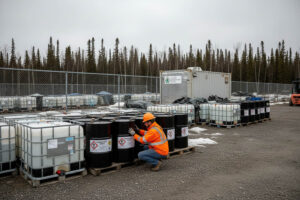
Remote operations in Canada involve multiple integrated systems working together — including accommodation, logistics, safety, and environmental controls. In sectors
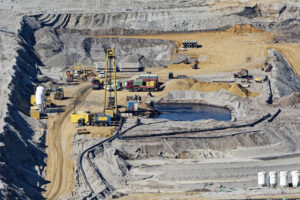
Mining in Canada isn’t just about extracting resources — it’s about sustaining teams through remote camp services in Canadian mining
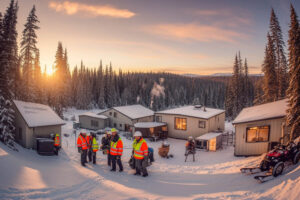
When comparing modular camps vs remote camps, many companies in Canada assume the terms mean the same thing. While the

In places like Fort McMurray’s oil sands or Kitimat’s LNG projects, remote catering companies play a vital role in supporting
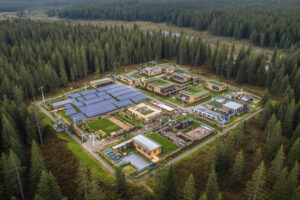
As industrial activity expands into environmentally sensitive regions, sustainable remote camp services Canada are becoming essential to balancing operational efficiency
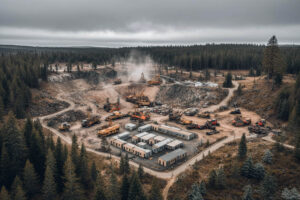
Across vast and isolated regions, remote camp services in Canada play a crucial role in enabling industries to operate efficiently
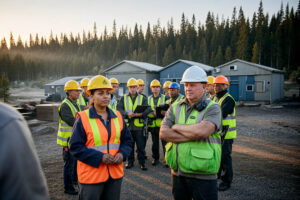
Effective remote site management is crucial for organizations operating in Canada’s isolated work environments, such as oil sands sites in
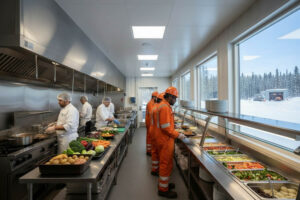
Remote site food catering services play a crucial role in sustaining Canada’s diverse industries, from mining and oil to forestry
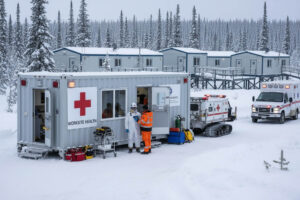
Remote site medical support plays a critical role in safeguarding the health and safety of employees working in Canada’s most
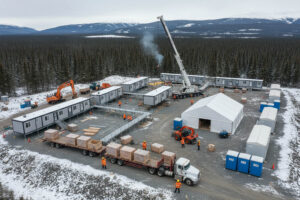
Mobilizing operations in challenging environments requires precision, planning, and expertise. That’s why remote camp mobilization is at the heart of