

7 Benefits of Professional Remote Housekeeping for Camp Operations
Maintaining a productive workforce in isolated accommodations requires more than comfortable lodging and quality amenities. In the middle of daily
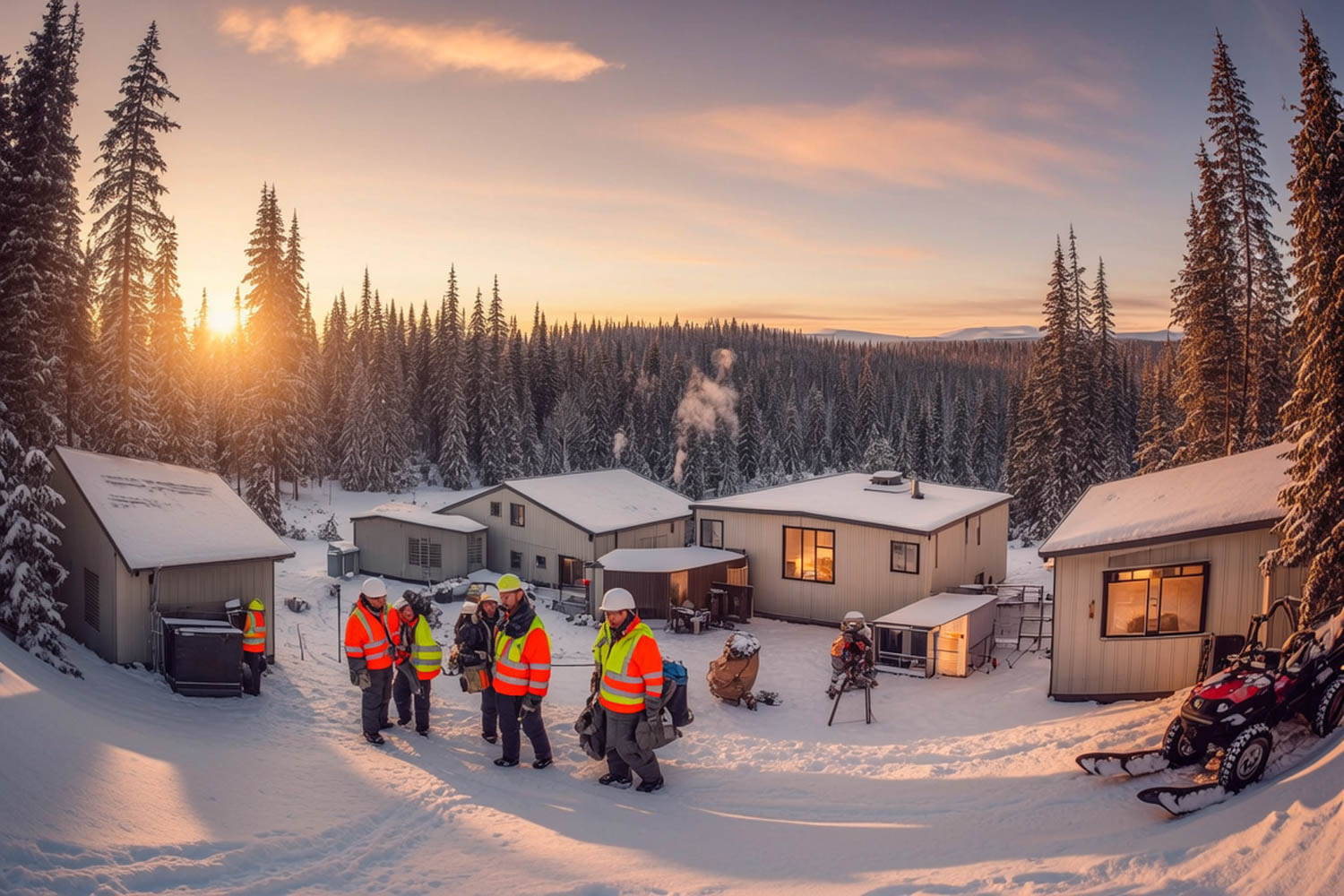
When comparing modular camps vs remote camps, many companies in Canada assume the terms mean the same thing. While the two are closely connected, they actually describe different aspects of workforce housing for industrial projects.
Understanding the distinction is important for mining companies, construction firms, energy operators, and infrastructure developers working in isolated regions. Selecting the right workforce accommodation solution can affect operational efficiency, employee comfort, project timelines, and long-term scalability.
In this guide, we break down the differences between modular and remote workforce housing, explain where the terms overlap, and explore why prefabricated structures have become the preferred choice for many Canadian industries.
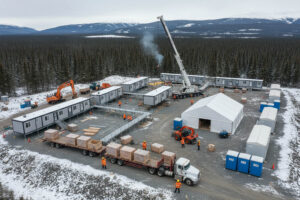
A remote camp refers to workforce accommodations located in isolated or difficult-to-access project areas. These facilities are designed to support employees working far from major urban centers and essential infrastructure.
Remote workforce housing is commonly used across industries such as:
These accommodation facilities typically include everything workers need during rotational schedules, including:
In simple terms, a remote camp describes the purpose and location of the housing rather than the construction method itself.
Today, many organizations rely on professionally managed workforce accommodations to improve worker safety, comfort, and productivity in challenging environments.
A modular camp refers to the construction method used to build workforce housing.
Rather than constructing buildings entirely on-site, modular facilities are built using prefabricated units manufactured off-site and transported to the project location for installation.
These pre-engineered structures may include:
Because much of the construction process takes place in controlled manufacturing environments, modular workforce housing can typically be deployed much faster than traditional building methods.
Across Canada, prefabricated accommodation solutions have become increasingly popular for industrial developments because they offer:
For industries operating in Northern or hard-to-access regions, these structures provide an efficient and practical way to support personnel on-site.
The easiest way to understand the distinction is this:
A workforce housing site can be:
Meanwhile, modular structures can also be used outside industrial workforce housing for:
In Canada, however, many modern workforce facilities use modular construction because it provides speed, flexibility, and operational efficiency in demanding environments.
Canada’s mining, energy, forestry, and infrastructure sectors frequently operate in regions with harsh climates and limited accessibility. As a result, companies need housing solutions that can be deployed quickly while remaining durable and scalable.
This is one of the main reasons modular construction has become a preferred solution for workforce accommodations across the country.
Traditional construction in isolated locations can face delays caused by weather conditions, transportation challenges, and labor shortages.
By comparison, prefabricated structures are largely built off-site and assembled quickly once delivered. This significantly reduces on-location construction timelines and helps projects stay on schedule.
Benefits include:
One of the major advantages of modular workforce facilities is their ability to adapt as project demands change.
As workforce requirements evolve, these accommodations can be:
This flexibility is particularly valuable for phased or temporary industrial developments.
Because prefabricated buildings are assembled in controlled manufacturing facilities, companies often achieve more consistent construction quality compared to traditional on-site methods.
This can lead to:
For projects operating in Canada’s extreme climates, construction quality is especially important.
Industrial project locations often present logistical and environmental challenges. Since modular construction reduces the amount of work required directly on-site, companies can minimize disruption while simplifying coordination and transportation efforts.
Whether accommodations are modular or traditionally built, operational support services play an essential role in maintaining safe, efficient, and comfortable living environments for employees.
Professional service providers help ensure workforce facilities operate smoothly throughout every phase of a project.
Reliable remote site food services are essential for maintaining worker morale, wellness, and productivity.
In industrial environments where employees often work long shifts, quality dining services contribute significantly to the overall workforce experience.
Professional catering and kitchen operations may include:
Well-managed dining operations help support both employee satisfaction and day-to-day efficiency.
Professional remote camp housekeeping services help maintain clean and comfortable living quarters for employees staying on-site.
Housekeeping teams typically support:
Consistent cleaning standards contribute to:
Reliable remote camp janitorial services are critical in high-traffic workforce environments where sanitation remains a top priority.
Janitorial personnel help maintain:
Strong sanitation practices help create safer and healthier accommodations for workers living on-site.
Effective remote camp management ensures that daily operations run efficiently while employees have access to the services and support they need.
Professional accommodation management services may include:
Well-managed workforce facilities help improve productivity while enhancing the overall employee experience.
Efficient remote camp mobilization services help companies deploy workforce accommodations quickly in isolated project regions.
Once operational, ongoing facility maintenance is essential to keeping infrastructure safe, reliable, and fully functional.
Maintenance services may include:
Reliable maintenance programs help minimize downtime while extending the lifespan of workforce facilities.
Choosing the best workforce housing solution depends on several project-specific factors, including:
For many Canadian industries, modular construction offers the ideal balance of:
However, long-term success also depends on partnering with experienced providers capable of delivering reliable support services, including:
Although the terms are often used interchangeably, there are important differences between modular camps vs remote camps. One refers to where and why workforce housing is used, while the other describes how those facilities are constructed.
As industrial activity continues to expand across Canada, prefabricated workforce housing has become a practical solution for projects operating in isolated and challenging environments. Its speed of deployment, scalability, and flexibility make it well-suited for both short-term and long-term operations.
However, successful workforce accommodations go beyond the physical structures themselves. Day-to-day operations play a critical role in maintaining productivity, safety, and employee well-being.
A well-run workforce accommodation site depends on more than infrastructure—it requires reliable operational support.
Our team provides end-to-end remote site services to keep your project running smoothly, including:
From initial setup through ongoing operations, we help ensure your workforce has safe, clean, and efficiently managed living conditions in even the most challenging locations.
If you’re planning a project and need support with workforce accommodations in Canada, our team can help design and manage a solution that fits your operational requirements. Call the Domco Group at (416) 449-7333 or schedule a consultation today.
Maintaining a productive workforce in isolated accommodations requires more than comfortable lodging and quality amenities. In the middle of daily
Remote operations in Canada take place in challenging environments where multiple systems must work together smoothly — including accommodation, logistics,
Industrial operations in Canada—whether in oil sands, mining regions, forestry zones, or large-scale construction corridors—depend on one critical but often
When organizations evaluate large-scale industrial work in places like Northern Alberta, British Columbia, or Newfoundland and Labrador, a remote site

Across Canada’s resource-driven economy, workforce accommodations play a critical role in keeping major projects running smoothly. In sectors such as
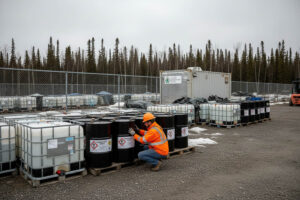
Remote operations in Canada involve multiple integrated systems working together — including accommodation, logistics, safety, and environmental controls. In sectors
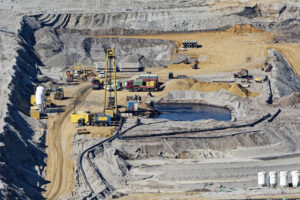
Mining in Canada isn’t just about extracting resources — it’s about sustaining teams through remote camp services in Canadian mining
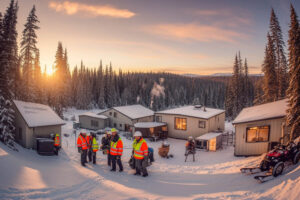
When comparing modular camps vs remote camps, many companies in Canada assume the terms mean the same thing. While the

In places like Fort McMurray’s oil sands or Kitimat’s LNG projects, remote catering companies play a vital role in supporting
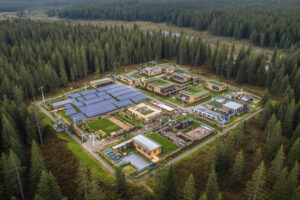
As industrial activity expands into environmentally sensitive regions, sustainable remote camp services Canada are becoming essential to balancing operational efficiency
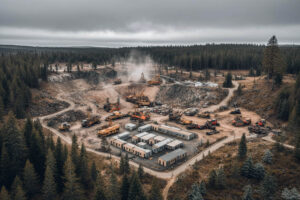
Across vast and isolated regions, remote camp services in Canada play a crucial role in enabling industries to operate efficiently
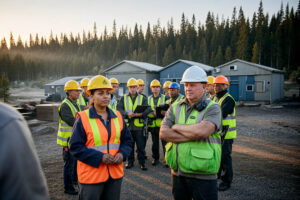
Effective remote site management is crucial for organizations operating in Canada’s isolated work environments, such as oil sands sites in
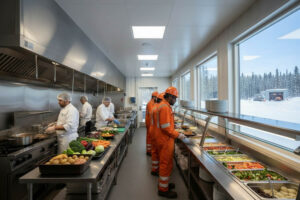
Remote site food catering services play a crucial role in sustaining Canada’s diverse industries, from mining and oil to forestry
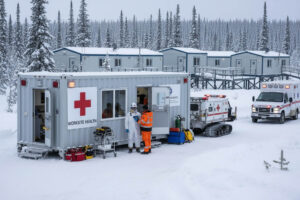
Remote site medical support plays a critical role in safeguarding the health and safety of employees working in Canada’s most
Mobilizing operations in challenging environments requires precision, planning, and expertise. That’s why remote camp mobilization is at the heart of