

7 Benefits of Professional Remote Housekeeping for Camp Operations
Maintaining a productive workforce in isolated accommodations requires more than comfortable lodging and quality amenities. In the middle of daily
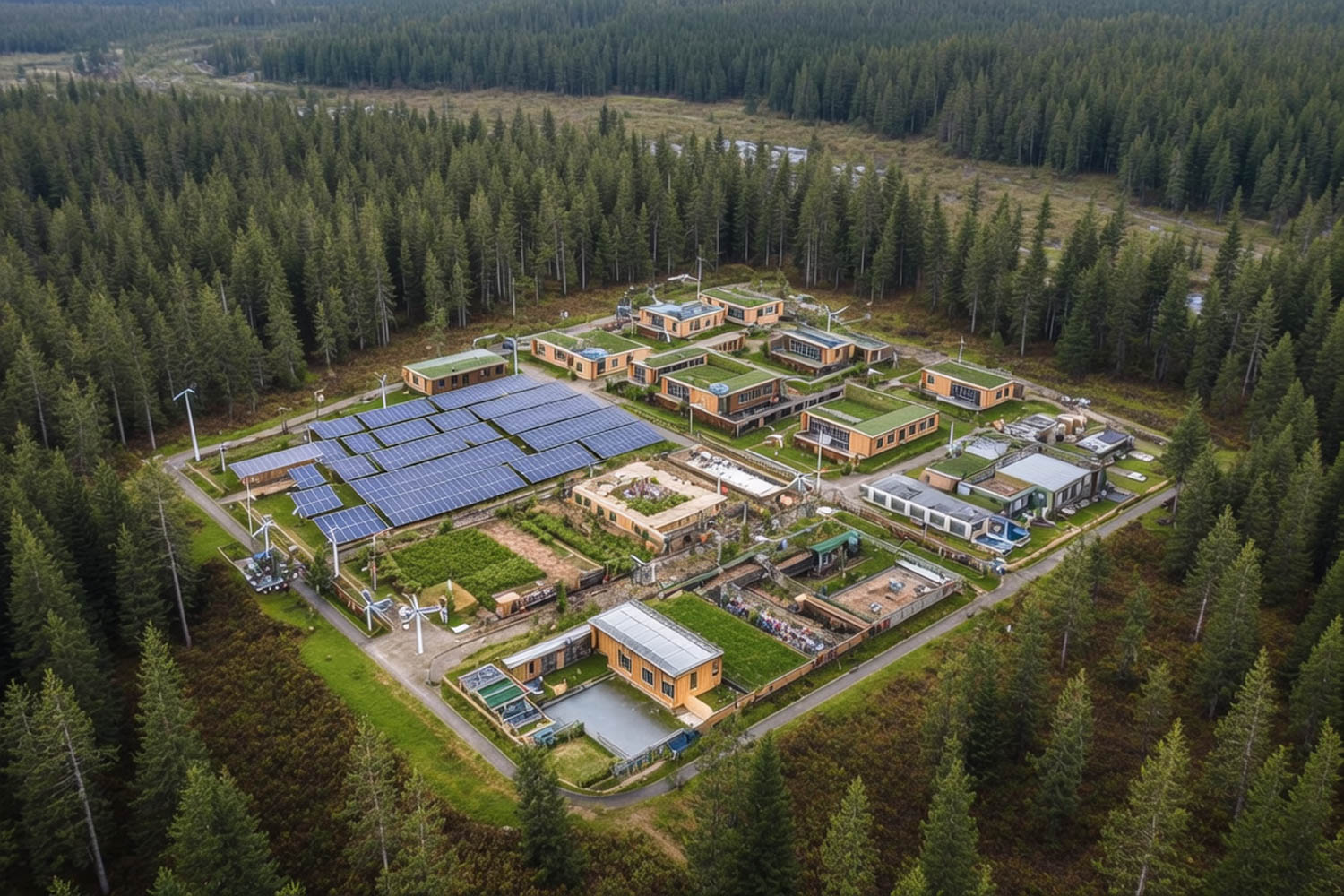
As industrial activity expands into environmentally sensitive regions, sustainable remote camp services Canada are becoming essential to balancing operational efficiency with environmental responsibility. Companies working in resource extraction, construction, and research must reduce their ecological footprint while maintaining productivity in isolated environments.
Sustainability is no longer optional—it is a core part of how workforce housing and site services are designed, deployed, and managed. From energy systems to waste handling, every operational decision plays a role in protecting surrounding ecosystems.
Industries operating in remote and undeveloped areas are often located near fragile ecosystems. Minimizing environmental disruption is critical for long-term project viability.
Adopting eco-friendly workforce housing ensures that workers are accommodated in a way that reduces environmental strain while maintaining comfort and safety.
Energy use is one of the largest contributors to environmental impact in off-grid operations. Reducing reliance on traditional fuel sources is a major step toward sustainability.
Implementing energy efficient camp solutions helps lower emissions, reduce fuel consumption, and improve overall operational efficiency.
Waste handling is a major challenge in isolated locations where disposal options are limited. Effective systems are essential to prevent environmental contamination.
Strong remote camp waste management practices ensure that waste is minimized, handled safely, and disposed of responsibly.
Water management is critical in areas where supply may be limited or difficult to access. Efficient systems ensure sustainability without compromising daily operations.
These practices support long-term water availability while maintaining hygiene and operational standards.
Cleaning and maintenance processes can significantly impact the environment, particularly through chemical use and water consumption.
Effective green camp management ensures that cleanliness and hygiene standards are maintained without harming the surrounding environment.
Food services play a key role in both worker well-being and environmental responsibility. Sustainable practices in meal preparation and delivery can significantly reduce waste and resource use.
Implementing sustainable camp catering ensures that workers receive nutritious meals while minimizing environmental impact.
Remote workforce camps are essential to Canada’s resource sector, but their environmental impact can be significant. True sustainability isn’t achieved through isolated fixes—it requires a coordinated approach across all systems. By aligning energy use, waste management, water conservation, and daily operations, companies can create camps that minimize ecological footprints while maintaining productivity and worker comfort. This integrated vision ensures that remote operations contribute to a greener future while supporting the people who make them possible.
Energy Efficiency
Waste Management
Water Conservation
Sustainable Catering Practices
Community and Indigenous Engagement
Transportation and Logistics
By combining these practices into an integrated strategy, companies can protect sensitive ecosystems, maintain operational efficiency, and foster a healthier, safer environment for workers—all while demonstrating long-term environmental responsibility.
Sustainability does not end with implementation—it requires ongoing attention and maintenance to remain effective.
Well-maintained systems ensure that sustainability goals are consistently met throughout the lifecycle of a project.
While meeting environmental regulations is essential, sustainability also delivers meaningful business advantages.
Organizations that prioritize sustainability are better equipped to adapt to evolving industry standards while maintaining operational excellence.
As industries continue to expand into environmentally sensitive and isolated regions, sustainable practices are becoming a fundamental requirement for success. From energy efficiency and waste reduction to water conservation and responsible food services, every operational element contributes to a larger environmental impact.
By integrating these practices into daily operations, companies can reduce costs, improve performance, and protect the ecosystems they depend on—demonstrating the long-term value of sustainable remote camp services Canada.
Ensure your workforce operations are not only efficient but environmentally responsible. Partner with experts in sustainable remote camp services Canada to implement energy-efficient systems, waste reduction programs, and eco-conscious practices that protect both your team and the environment.
Contact the Domco Group today to learn how your operations can become greener, safer, and more sustainable—without compromising productivity.
Maintaining a productive workforce in isolated accommodations requires more than comfortable lodging and quality amenities. In the middle of daily
Remote operations in Canada take place in challenging environments where multiple systems must work together smoothly — including accommodation, logistics,
Industrial operations in Canada—whether in oil sands, mining regions, forestry zones, or large-scale construction corridors—depend on one critical but often
When organizations evaluate large-scale industrial work in places like Northern Alberta, British Columbia, or Newfoundland and Labrador, a remote site

Across Canada’s resource-driven economy, workforce accommodations play a critical role in keeping major projects running smoothly. In sectors such as
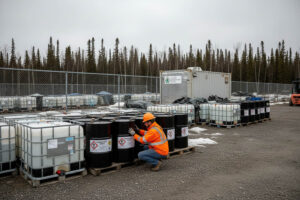
Remote operations in Canada involve multiple integrated systems working together — including accommodation, logistics, safety, and environmental controls. In sectors
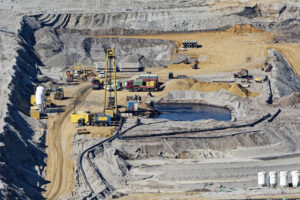
Mining in Canada isn’t just about extracting resources — it’s about sustaining teams through remote camp services in Canadian mining
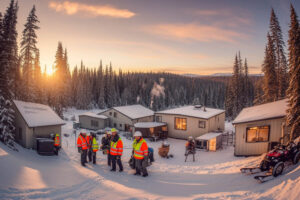
When comparing modular camps vs remote camps, many companies in Canada assume the terms mean the same thing. While the

In places like Fort McMurray’s oil sands or Kitimat’s LNG projects, remote catering companies play a vital role in supporting
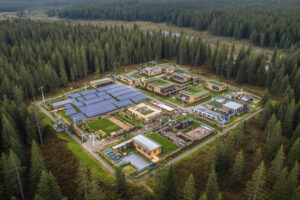
As industrial activity expands into environmentally sensitive regions, sustainable remote camp services Canada are becoming essential to balancing operational efficiency
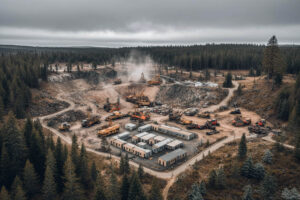
Across vast and isolated regions, remote camp services in Canada play a crucial role in enabling industries to operate efficiently
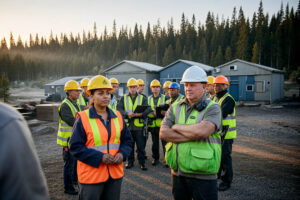
Effective remote site management is crucial for organizations operating in Canada’s isolated work environments, such as oil sands sites in
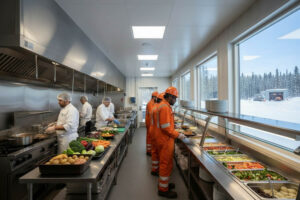
Remote site food catering services play a crucial role in sustaining Canada’s diverse industries, from mining and oil to forestry
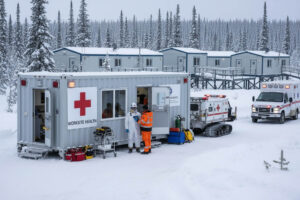
Remote site medical support plays a critical role in safeguarding the health and safety of employees working in Canada’s most
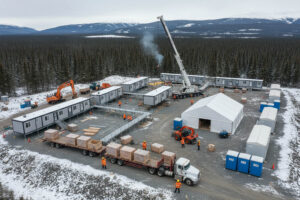
Mobilizing operations in challenging environments requires precision, planning, and expertise. That’s why remote camp mobilization is at the heart of