

7 Benefits of Professional Remote Housekeeping for Camp Operations
Maintaining a productive workforce in isolated accommodations requires more than comfortable lodging and quality amenities. In the middle of daily
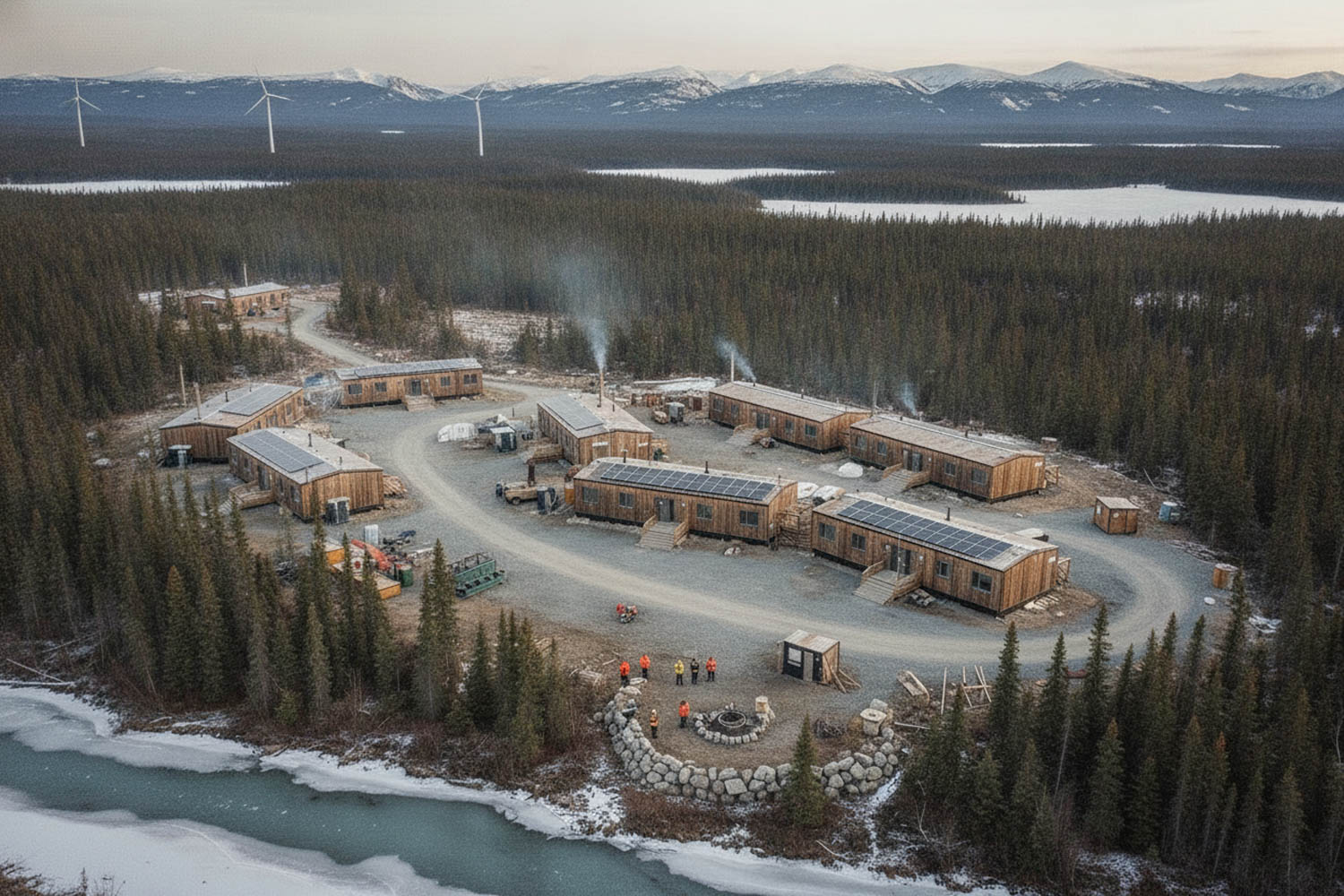
When organizations evaluate large-scale industrial work in places like Northern Alberta, British Columbia, or Newfoundland and Labrador, a remote site sustainability checklist becomes a practical tool for making better decisions.
These environments are often far from major cities, which means everything has to work smoothly on-site—from food services and housekeeping to maintenance and logistics. At the same time, companies are expected to reduce environmental impact and maintain strong working conditions for staff.
This guide breaks down what decision-makers should look for when comparing service partners that support remote accommodation and site operations.
Today, most industrial developments are judged not only on cost and output, but also on environmental and social responsibility. This is where ESG (Environmental, Social, and Governance) standards come in.
When reviewing potential service partners, look for clear commitment in areas such as:
Strong ESG practices are no longer optional—they are now expected by regulators, investors, and project stakeholders.
Operating in isolated locations brings unique environmental challenges. Supplies must often be transported long distances, and facilities need to function independently for long periods.
When assessing environmental performance, focus on:
Small improvements also matter. For example, reducing disposable items in dining areas or improving laundry efficiency can significantly lower environmental impact over time.
One of the biggest differences between average and high-performing operations is how well services are connected.
When food, cleaning, and maintenance teams work separately, inefficiencies often build up. But when these services are integrated, everything runs more smoothly.
A well-structured approach usually includes:
This kind of integration reduces duplication, improves consistency, and helps lower overall environmental impact.
In remote environments, people spend weeks or even months away from home. That makes living conditions a major factor in performance and retention.
When reviewing service providers, consider:
Good living conditions do more than improve comfort—they directly affect safety, morale, and productivity. When people are well supported, they tend to stay longer and perform better.
Getting supplies and equipment to remote locations is one of the most complex parts of any project.
Poor planning leads to delays, waste, and higher costs. Good planning reduces all three.
Key things to look for include:
Efficient logistics also help reduce fuel use and overall environmental impact.
More companies now expect clear reporting on environmental and operational performance. This helps track progress and identify areas for improvement.
Useful reporting data includes:
Digital systems are increasingly used to collect and organize this information, making it easier to compare performance across multiple sites.
When comparing service providers, it helps to go beyond brochures and pricing. Asking the right questions can reveal how well an operator actually performs.
What environmental targets are in place?
Look for specific goals related to emissions, water use, energy efficiency, and waste reduction—not just general commitments.
How is performance tracked?
Ask whether they use dashboards, monitoring systems, or independent audits to measure results.
Is food sourcing responsible and efficient?
Strong operators use regional suppliers, manage portions carefully, and reduce food waste wherever possible.
Are claims independently verified?
Certifications such as ISO 14001 show that environmental systems have been formally reviewed and approved.
Is worker wellbeing part of the operational plan?
This includes hygiene standards, air quality, cleaning practices, and preventive maintenance programs.
This type of structured questioning helps ensure decisions are based on real performance, not just marketing claims.
Selecting a service partner in isolated environments is about more than cost. It’s about reliability, consistency, and long-term alignment with project goals.
Decision-makers should evaluate:
It’s also important that providers can respond quickly when unexpected issues arise, such as weather disruptions or supply delays.
As industrial projects continue to expand across Canada’s remote regions, organizations need better ways to evaluate performance, sustainability, and service quality. A clear decision framework helps ensure that operations run efficiently while also protecting the environment and supporting workers.
Using a remote site sustainability checklist helps decision-makers compare providers more effectively and choose partners who can deliver safe, efficient, and responsible operations over the long term.
If you’d like to explore how these principles apply to your next project, we can walk through your requirements in more detail and help you identify the right operational approach. Get in touch to book a consultation and discuss how to strengthen performance, efficiency, and sustainability across your remote sites.
Maintaining a productive workforce in isolated accommodations requires more than comfortable lodging and quality amenities. In the middle of daily
Remote operations in Canada take place in challenging environments where multiple systems must work together smoothly — including accommodation, logistics,
Industrial operations in Canada—whether in oil sands, mining regions, forestry zones, or large-scale construction corridors—depend on one critical but often
When organizations evaluate large-scale industrial work in places like Northern Alberta, British Columbia, or Newfoundland and Labrador, a remote site

Across Canada’s resource-driven economy, workforce accommodations play a critical role in keeping major projects running smoothly. In sectors such as
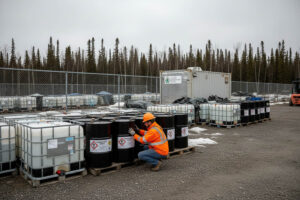
Remote operations in Canada involve multiple integrated systems working together — including accommodation, logistics, safety, and environmental controls. In sectors
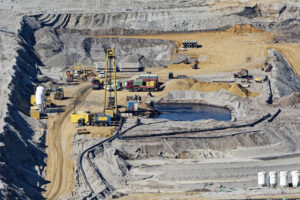
Mining in Canada isn’t just about extracting resources — it’s about sustaining teams through remote camp services in Canadian mining
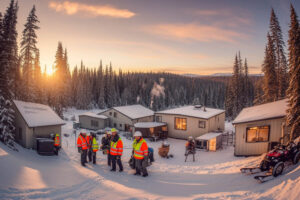
When comparing modular camps vs remote camps, many companies in Canada assume the terms mean the same thing. While the

In places like Fort McMurray’s oil sands or Kitimat’s LNG projects, remote catering companies play a vital role in supporting
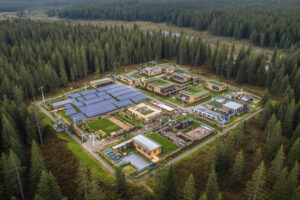
As industrial activity expands into environmentally sensitive regions, sustainable remote camp services Canada are becoming essential to balancing operational efficiency
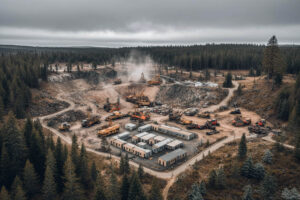
Across vast and isolated regions, remote camp services in Canada play a crucial role in enabling industries to operate efficiently
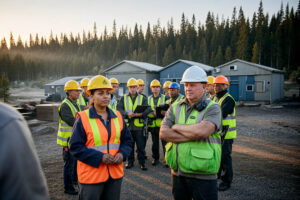
Effective remote site management is crucial for organizations operating in Canada’s isolated work environments, such as oil sands sites in
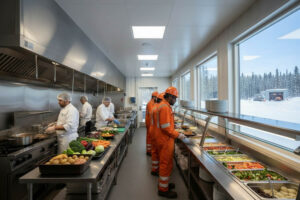
Remote site food catering services play a crucial role in sustaining Canada’s diverse industries, from mining and oil to forestry
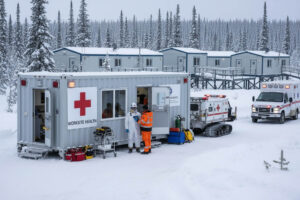
Remote site medical support plays a critical role in safeguarding the health and safety of employees working in Canada’s most
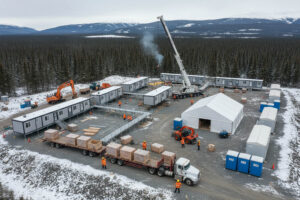
Mobilizing operations in challenging environments requires precision, planning, and expertise. That’s why remote camp mobilization is at the heart of