

7 Benefits of Professional Remote Housekeeping for Camp Operations
Maintaining a productive workforce in isolated accommodations requires more than comfortable lodging and quality amenities. In the middle of daily
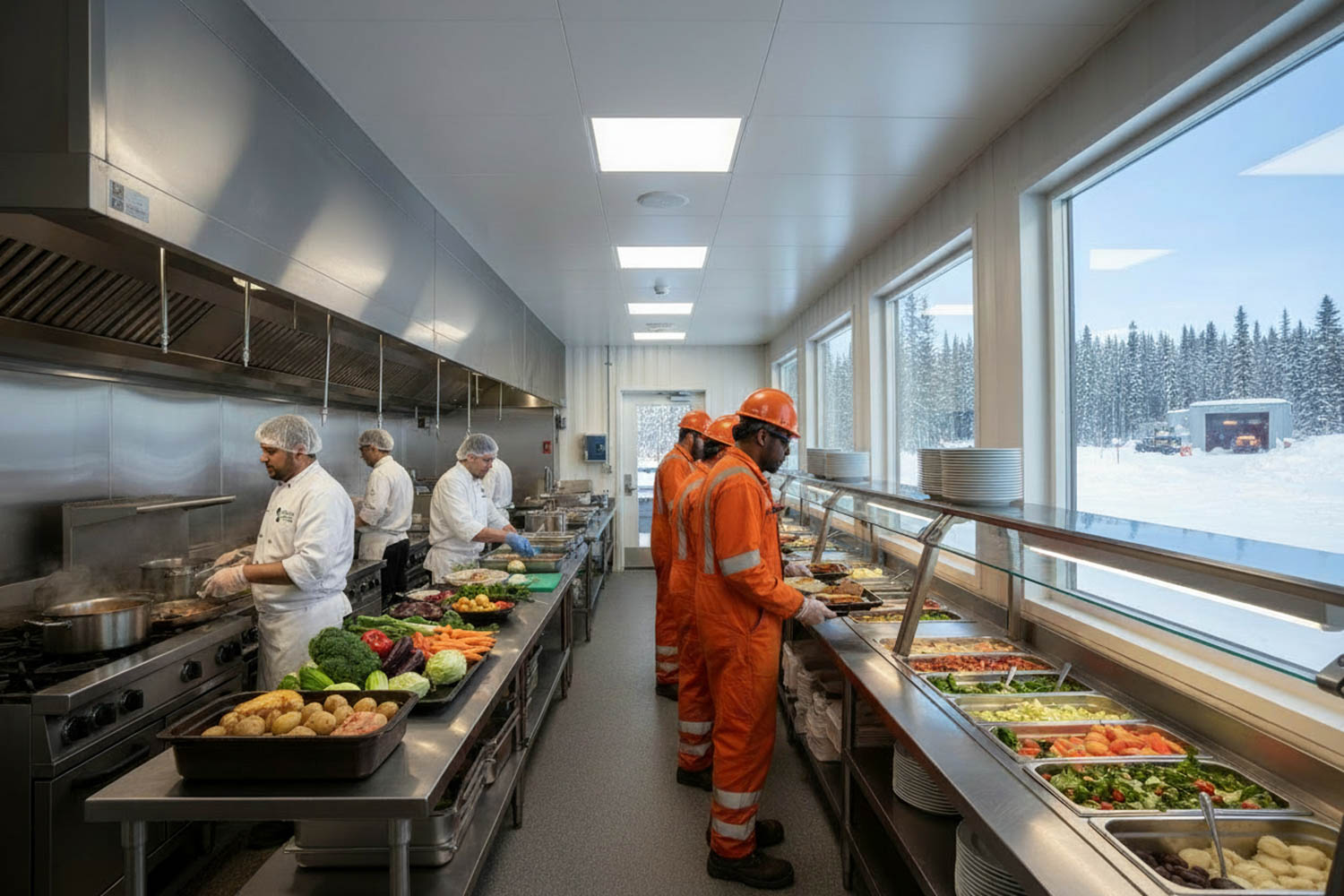
Remote site food catering services play a crucial role in sustaining Canada’s diverse industries, from mining and oil to forestry and construction. These services are not just about feeding workers—they are about ensuring health, safety, productivity, and morale in some of the most challenging environments in the country. Each sector has unique demands, and catering providers must adapt menus, logistics, and staffing to meet them. In Canada’s vast geography, where industries often operate in isolated northern regions, catering becomes a strategic necessity rather than a luxury.
Remote worksites operate under conditions that are very different from urban environments. Many are isolated, difficult to access, and exposed to extreme weather. As a result, remote facility catering must be designed to function reliably with limited infrastructure and tight delivery schedules.
Common factors that shape food service planning include:
Because workers spend extended time on site, food becomes one of the most important parts of daily life. Reliable meals help create routine and provide comfort in otherwise challenging conditions.
Mining operations, particularly diamond mines in northern Canada, require large-scale, long-term catering solutions. Diamond mine food catering services typically involve permanent facilities with industrial kitchens capable of serving hundreds or even thousands of workers daily. Menus emphasize calorie-dense meals to sustain heavy labor, with hearty breakfasts, protein-rich lunches, and comforting dinners.
The scale of mining catering means providers must operate almost like small cities, managing not only food but also waste disposal, water supply, and staff housing.
The oil sands in Alberta and offshore rigs in Newfoundland demand specialized catering approaches. Oil food catering services and gas remote food catering services must operate on a 24/7 basis to accommodate rotating shifts.
Here, remote site catering is not just about nutrition—it is about maintaining morale in high-pressure environments. Workers often spend weeks away from families, so catering companies add comfort through themed nights, special desserts, and holiday meals.
Forestry operations are highly mobile, with crews moving frequently across logging sites. Forestry food catering services must therefore be portable and adaptable.
This sector highlights the flexibility of remote catering companies, which must adjust quickly to changing crew sizes and locations. Forestry crews work in rugged outdoor conditions, so meals must be practical, high‑energy, and easy to consume in the field.
Exploration projects, whether for minerals or energy, are typically short-term and highly mobile. Providers of exploration remote food catering services must deliver lightweight, efficient solutions.
Here, remote food catering becomes a logistical challenge, requiring creativity and resilience from providers. Exploration teams may move every few weeks, so catering companies must be able to pack up and redeploy quickly.
Construction projects in remote areas, such as hydroelectric dams or infrastructure in northern communities, demand short-term but reliable catering. Remote camp catering services must adapt to fluctuating workforce sizes.
Construction catering emphasizes affordability and convenience. Workers expect hearty meals that can be served quickly, often in shifts, to keep projects on schedule.
Canada’s energy sector, including renewable projects in remote areas, requires specialized catering. Energy food catering services emphasize sustainability, with growing demand for eco-friendly packaging and locally sourced ingredients.
Energy projects tend to attract younger, environmentally conscious workers, so catering companies must innovate with plant-based meals and creative camp food menu ideas.
People are at the centre of successful food service. Skilled remote facility chefs bring experience, flexibility, and leadership to challenging environments.
Their role typically includes:
Because remote locations are far from medical services, food safety standards are especially strict. Trusted remote catering companies invest heavily in training, audits, and quality control to reduce risk.
Supplying food to remote sites is complex and varies by location. Some sites rely on air transport or seasonal roads, while others depend on marine or long overland routes.
Key logistical considerations include:
These challenges shape how remote food catering programs are designed. Successful providers plan for disruptions and build flexibility into their supply chains.
In remote work environments, food is about more than just nutrition. It helps structure the day, lifts morale, and gives workers something familiar to look forward to during long rotations. Dining areas often become shared spaces where people can relax, connect with others, and take a mental break from the job.
Strong food programs improve the daily experience by providing:
Research in camp-based and remote industries shows that living conditions strongly influence whether workers complete rotations or return for future projects. Even small improvements to meal quality and variety can increase satisfaction and lower turnover intent. Over time, these improvements support engagement, safer behaviour, and long-term workforce stability.
Food service in remote environments is shaped by geography, climate, and industry demands. Mining camps, such as diamond mines or exploration projects, require endurance-focused meals. Energy operations, including oil sands or remote gas fields, depend on scale, speed, and flexibility. Forestry operations need mobile solutions for seasonal logging or conservation projects. Long-term construction or infrastructure projects, like hydroelectric dams or northern roads, emphasize consistency and community. Employers who understand these differences are better positioned to support worker well-being, safety, and retention—underscoring why thoughtful planning around remote site food catering services is increasingly important across Canada’s remote industries.
From mining camps to forestry projects, the Domco Group provides food solutions that keep your workforce energized and productive. Connect with our experts today to plan your remote catering program.
Maintaining a productive workforce in isolated accommodations requires more than comfortable lodging and quality amenities. In the middle of daily
Remote operations in Canada take place in challenging environments where multiple systems must work together smoothly — including accommodation, logistics,
Industrial operations in Canada—whether in oil sands, mining regions, forestry zones, or large-scale construction corridors—depend on one critical but often
When organizations evaluate large-scale industrial work in places like Northern Alberta, British Columbia, or Newfoundland and Labrador, a remote site

Across Canada’s resource-driven economy, workforce accommodations play a critical role in keeping major projects running smoothly. In sectors such as
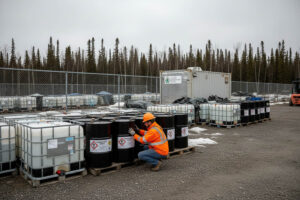
Remote operations in Canada involve multiple integrated systems working together — including accommodation, logistics, safety, and environmental controls. In sectors
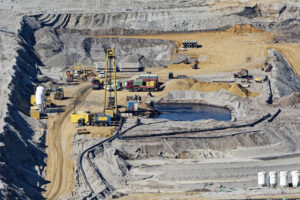
Mining in Canada isn’t just about extracting resources — it’s about sustaining teams through remote camp services in Canadian mining
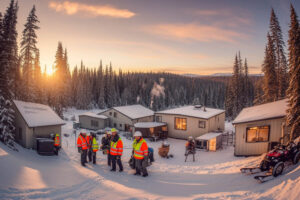
When comparing modular camps vs remote camps, many companies in Canada assume the terms mean the same thing. While the

In places like Fort McMurray’s oil sands or Kitimat’s LNG projects, remote catering companies play a vital role in supporting
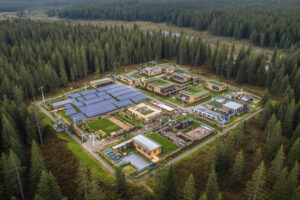
As industrial activity expands into environmentally sensitive regions, sustainable remote camp services Canada are becoming essential to balancing operational efficiency
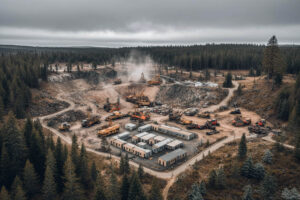
Across vast and isolated regions, remote camp services in Canada play a crucial role in enabling industries to operate efficiently
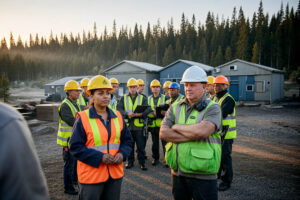
Effective remote site management is crucial for organizations operating in Canada’s isolated work environments, such as oil sands sites in
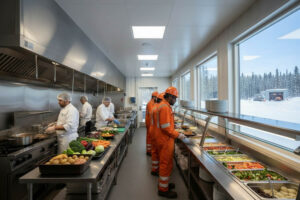
Remote site food catering services play a crucial role in sustaining Canada’s diverse industries, from mining and oil to forestry
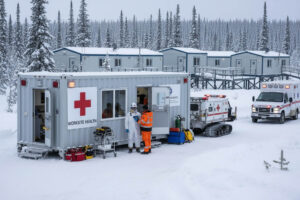
Remote site medical support plays a critical role in safeguarding the health and safety of employees working in Canada’s most
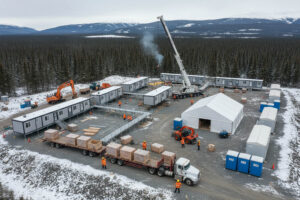
Mobilizing operations in challenging environments requires precision, planning, and expertise. That’s why remote camp mobilization is at the heart of