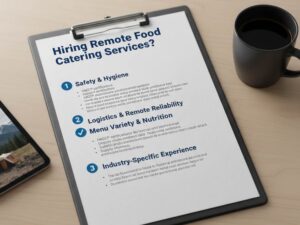
Checklist for Choosing the Best Remote Food Catering Partner
When planning a large-scale project in a challenging location, remote food catering becomes one of the most critical services to
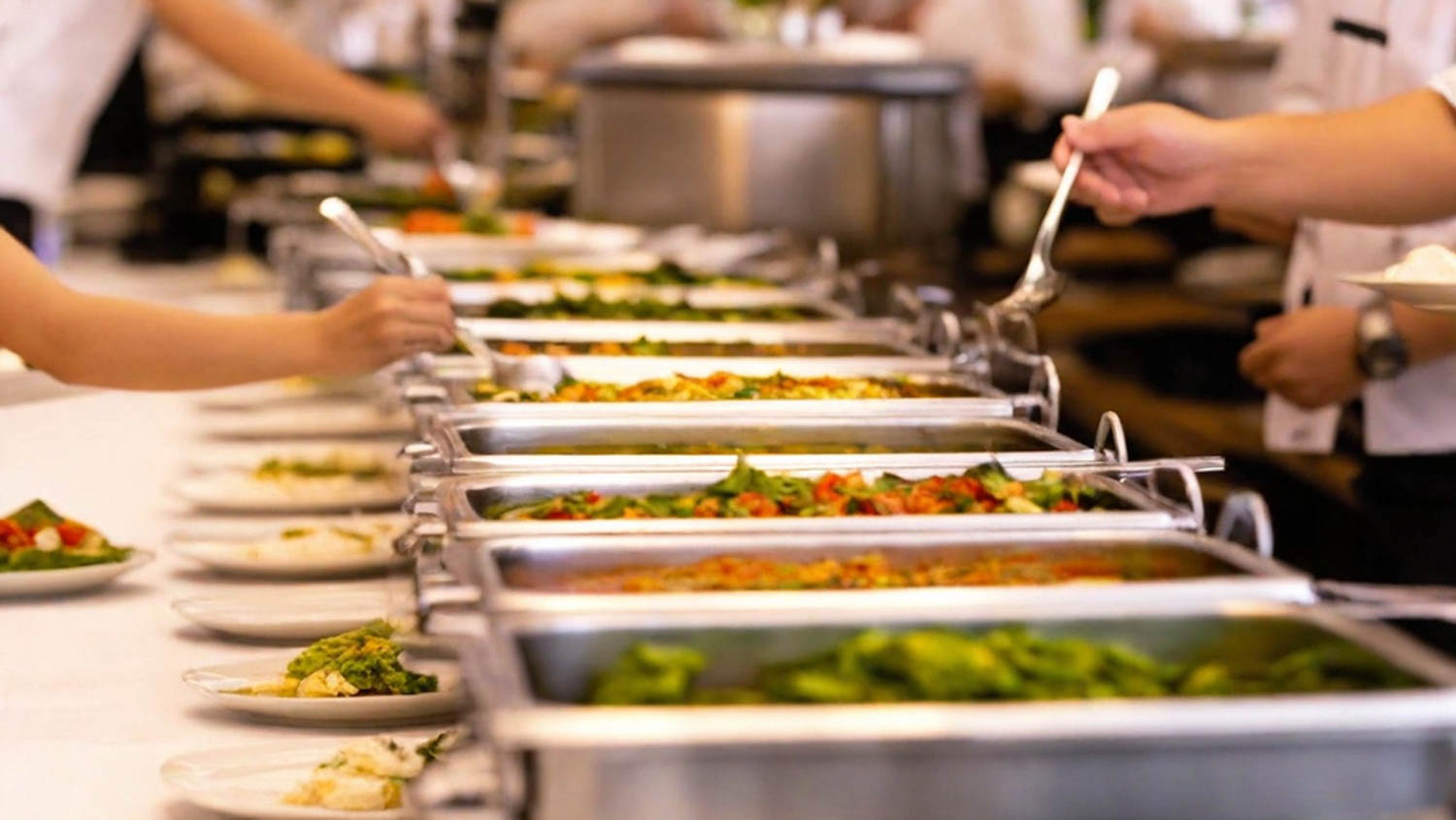
Remote catering companies play a vital role in keeping workers safe, nourished, and productive across Canada’s industrial sectors. Whether supporting camp catering companies in mining, oil and gas, construction, or forestry, these teams must follow strict health rules—and adapt quickly when those rules evolve.
In rugged, high-stakes environments, food service isn’t just about nutrition—it’s about safety, morale, and operational continuity. Here’s how these companies rise to the challenge:
Health rules can change fast, especially during emergencies, seasonal outbreaks, or shifts in government policy. Industrial caterers create detailed safety plans that cover food handling, cleaning routines, and emergency procedures. These plans are reviewed regularly and updated to match new regulations or client-specific requirements.
For example, during the COVID-19 pandemic, many teams added protocols for physical distancing in dining halls, PPE use in kitchens, and contactless meal delivery. Today, those lessons inform flexible frameworks that support any health and safety policy for remote workers, from flu season to wildfire-related disruptions.
Remote camps face tough conditions: long supply chains, limited kitchen space, and extreme weather. Food safety must be airtight. To prevent contamination and spoilage, catering teams:
Some companies use digital sensors to monitor fridge and freezer temperatures in real time. If a unit fails or a door is left open, alerts are sent immediately—critical in locations where repair crews may take hours or days to arrive.
Staff in industrial camps often work long shifts and rotate in and out quickly. That means training must be fast, effective, and easy to access. Catering companies provide:
Training is tailored to each camp’s environment. A construction remote food catering services team might focus on dust control and hydration, while a diamond mine remote food catering services crew may emphasize respiratory hygiene and cold-weather safety.
Workers in remote camps have diverse dietary needs. Some have allergies, others follow specific diets for health, religion, or personal preference. Caterers respond by offering:
Menus are designed to be flexible and inclusive. Some camps use QR codes or digital kiosks to display nutrition info, helping workers make safe choices even in isolated areas. This transparency builds trust and reduces the risk of allergic reactions or dietary conflicts. A well-designed food camp menu can also boost morale and energy levels during long shifts.
Digital tools help remote catering companies stay organized and follow health rules. Examples include:
These tools are especially useful in large operations with multiple sites or limited internet access. Some companies use satellite connectivity to sync data from remote facility food catering services to central offices, ensuring oversight even in the most isolated regions.
Caterers work closely with health inspectors, safety officers, and clients to build strong systems. This includes:
This partnership approach ensures that health measures are practical, effective, and aligned with both regulatory standards and operational realities. It also positions catering companies as proactive problem-solvers, not just service providers.
Remote camps must be ready for anything—pandemics, supply delays, power outages, or sudden weather changes. Caterers prepare by:
Some camps store “go kits” with masks, gloves, cleaning supplies, and emergency rations. These kits are checked and restocked regularly. In high-risk zones, companies may also maintain satellite phones or emergency communication systems to coordinate rapid response.
Health and sustainability go hand in hand. Remote caterers now choose:
In forestry and oil camps, where environmental stewardship is a priority, these choices reflect broader corporate values and community expectations. They also contribute to long-term health outcomes for workers. This is especially important for energy food catering services and exploration remote food catering services, where operations intersect with sensitive ecosystems.
Good communication helps workers feel safe, informed, and respected. Caterers use:
Some camps offer kitchen tours, safety briefings, or Q&A sessions to explain how meals are prepared and how health protocols are enforced. This transparency builds morale and reduces anxiety—especially during times of uncertainty. It’s a practice embraced by leaders like Domco Food Services Group of Canada, known for their commitment to worker wellbeing.
Health rules will keep changing, so caterers stay flexible and open to new ideas. They:
Continuous improvement isn’t just a slogan—it’s a survival strategy. Companies that treat health guidelines as opportunities to grow and innovate are better equipped to serve their clients and protect their teams. This mindset is especially valuable in research food catering services, where precision and adaptability are essential.
Food providers in industrial camps are more than just meal suppliers—they’re frontline partners in health, safety, and operational success. By staying alert, using smart tools, and working closely with clients and health experts, they help Canada’s industrial camps run smoothly—even in the most isolated locations where remote catering companies deliver critical support every day.
Discover how DOMCO Food Services Group of Canada delivers reliable, health-focused solutions for remote sites across mining, energy, construction, and forestry sectors. From customizable menus to responsive safety protocols, DOMCO brings decades of experience to every plate.
Connect with DOMCO today to explore tailored food service options for your next remote project.
When planning a large-scale project in a challenging location, remote food catering becomes one of the most critical services to
Remote health and safety is a critical component in the management and operation of Canadian field camps, especially those situated
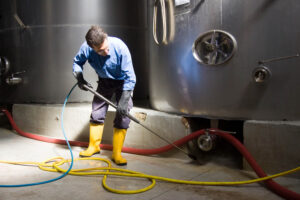
Janitorial camp services are the backbone of operational success in Canada’s energy sector, especially in remote oil and gas sites

Remote catering companies play a vital role in keeping workers safe, nourished, and productive across Canada’s industrial sectors. Whether supporting
Exploration remote site services play a foundational role in enabling Canada’s most strategically important industries to operate in some of
Selecting the right oil and gas facility maintenance provider is a pivotal decision for companies operating in Canada’s remote regions—from
In Canada, mine camp management plays a key role in supporting workers at remote mining sites. These sites provide housing,
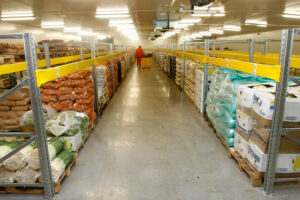
Remote food catering plays an important role in supporting workers across Canada’s most isolated job sites. Whether in the far
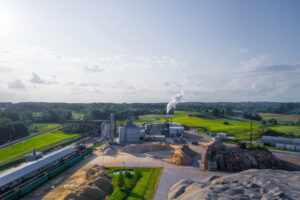
Remote camp maintenance jobs in Canada support the full lifecycle of temporary worksites—from setup (mobilization) to daily operations (maintenance) and

Remote catering companies play a vital role in supporting Canada’s vast and varied industries, especially those operating in isolated or
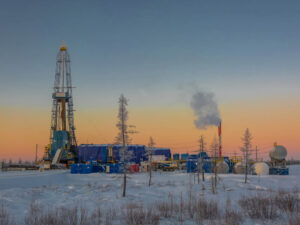
Oil and gas facilities management is a complex and critical discipline that ensures energy operations in Canada’s most remote locations
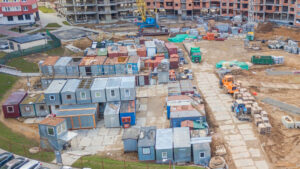
In the rugged, often isolated world of remote construction camps, construction facility management is the invisible force that sustains daily

Remote maintenance is the backbone of operational continuity in Canadian work camps, especially those located in isolated regions supporting industries
Remote camp health and safety is a vital concern in the management of Canadian remote workforce camps, especially in resource-driven

Keeping crews energized and satisfied starts with smart camp food menu ideas—especially in remote environments where morale and nutrition go