

Inclusion in Resident Camps: Building Supportive Communities
Resident camps in Canada are more than temporary housing sites for workers in industries like mining, forestry, energy, and construction.
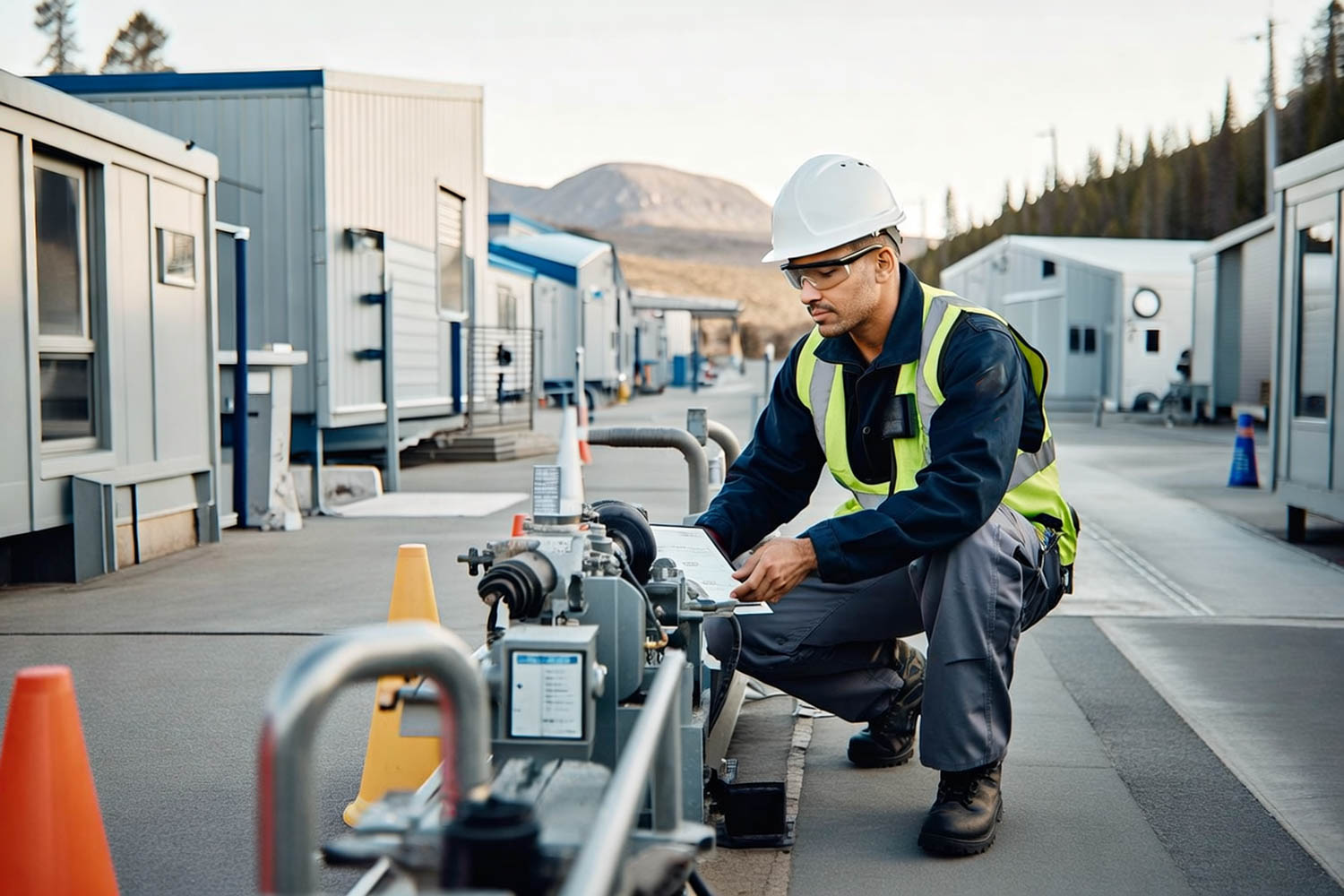
Resident camps in Canada are more than temporary housing sites for workers in industries like mining, forestry, energy, and construction. They are unique communities where people from diverse backgrounds live and work side by side, often in isolated regions far from their families and hometowns. In these environments, the idea of building supportive communities takes on a deeper meaning. It’s not just about providing shelter—it’s about creating spaces where fairness, respect, and belonging are woven into daily life.
Supportive communities in these living quarters help workers feel valued, safe, and connected, even in challenging conditions. By prioritizing equity, accessibility, and cultural sensitivity, organizations can transform isolated facilities into places where every individual thrives. This approach strengthens morale, improves productivity, and ensures that these isolated worker camps reflect the broader values of diversity and inclusion that Canada is known for.
Living in isolated accommodations can be demanding. Whether they are modular camps supporting a construction project or a research camp management site in the far north, the sense of belonging and fairness directly influences morale. Workers who feel respected and supported are more likely to stay engaged and contribute positively to the team.
Key aspects of inclusion in worker housing include:
By embedding these principles into daily operations, organizations can transform isolated housing into supportive communities.
Operating a remote camp facility comes with unique challenges that can hinder inclusion:
This is why inclusive policies for rotational workers are essential. They balance the demands of the job with the human need for connection, fairness, and respect.
Diamond mine remote camp management is common in northern regions such as the Northwest Territories, where the Diavik and Ekati diamond mines operate. These sites employ multinational teams, requiring strong communication strategies and cultural awareness programs. Inclusion here means ensuring fair access to amenities, respect for traditions, and equitable treatment in scheduling.
In energy remote site management, Alberta’s oil sands near Fort McMurray and Cold Lake are prime examples. Companies must integrate health and safety policy for remote workers while respecting diverse needs. Workers in oil sands projects often face hazardous conditions, so safety measures must be paired with cultural sensitivity and equitable access to protective resources.
Forestry remote site management is prominent in northern British Columbia, where logging operations intersect with Indigenous lands. Many forestry projects overlap with traditional territories, making collaboration with local communities essential. Inclusion here means respecting Indigenous traditions, offering employment opportunities, and ensuring accessible facilities for all.
Construction remote camp management is critical in large-scale infrastructure projects such as hydroelectric developments in Manitoba or pipeline construction across Alberta and Saskatchewan. These projects employ diverse workforces, and ensuring accessible remote worker accommodations in housing, dining, and recreation facilities is key to fostering equity.
Research camp management is often seen in Nunavut and northern Quebec, where scientific teams study climate change, wildlife, and geology. Scientists and support staff often come from diverse countries, bringing unique customs and expectations. Inclusion here means creating policies that respect cultural differences, dietary needs, and equitable access to research resources.
Oil remote camp management and gas remote camp management are central to Alberta’s oil sands and pipeline projects extending into British Columbia. These industries often involve rotational schedules and high-risk environments. Inclusion means ensuring fair treatment in shift assignments, access to wellness programs, and respect for cultural practices.
Exploration camp management is common in northern Quebec and Labrador, where mineral exploration projects bring together temporary teams. Inclusion here is about providing inclusive housing and support for Indigenous and immigrant workers in Canada, ensuring that all workers feel safe, respected, and valued despite the transient nature of the work.
Organizations can adopt several strategies to strengthen equity and inclusion in isolated work camps:
These approaches align with best practices for diversity and accessibility in resource sector camps, ensuring that every worker feels valued and supported.
Safety policies are not just about physical protection; they also contribute to inclusion. Remote facility health and safety measures should consider:
A strong health and safety policy for remote workers reinforces the idea that every individual’s well-being matters, regardless of background or role.
Creating inclusive remote work camps in Canada requires intentional effort. Leaders must recognize how Canadian remote worker camps promote inclusion and equity through:
By embedding these values into daily operations, organizations can transform isolated facilities into supportive communities where workers thrive.
Inclusion at remote sites in Canada is not just a moral imperative—it is a practical necessity for industries that depend on remote worker housing. By integrating diversity in Canadian work camps, ensuring equity and inclusion in isolated work camps, and supporting multicultural workforce camps Canada, organizations can foster resilience and productivity. Ultimately, when inclusive housing and support for Indigenous and immigrant workers in Canada are prioritized, resident camps become environments where every individual can thrive.
At DOMCO, we specialize in creating safe, accessible, and welcoming living environments for teams in mining, energy, forestry, construction, and research projects across Canada. From housing design to health and safety programs, we help transform isolated facilities into thriving communities where every worker feels valued.
Partner with the Domco Group today to bring equity, comfort, and connection to your resident camps. Contact us now to start building supportive communities that work.
Resident camps in Canada are more than temporary housing sites for workers in industries like mining, forestry, energy, and construction.
A remote facility is more than just a temporary shelter—it is a comprehensive hub designed to support workers and operations

The primary objective of hiring remote janitorial services in offsite construction camps is to uphold health, safety, and operational efficiency

Remote camp maintenance jobs play a vital role in Canada’s resource and industrial sectors, supporting mining, oil and gas, hydroelectric,

When planning a large-scale project in a challenging location, remote food catering becomes one of the most critical services to
Remote health and safety is a critical component in the management and operation of Canadian field camps, especially those situated

Janitorial camp services are the backbone of operational success in Canada’s energy sector, especially in remote oil and gas sites

Remote catering companies play a vital role in keeping workers safe, nourished, and productive across Canada’s industrial sectors. Whether supporting
Exploration remote site services play a foundational role in enabling Canada’s most strategically important industries to operate in some of
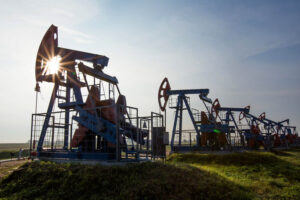
Selecting the right oil and gas facility maintenance provider is a pivotal decision for companies operating in Canada’s remote regions—from
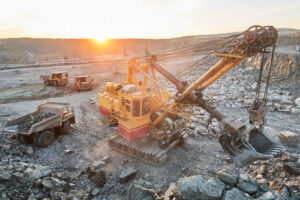
In Canada, mine camp management plays a key role in supporting workers at remote mining sites. These sites provide housing,
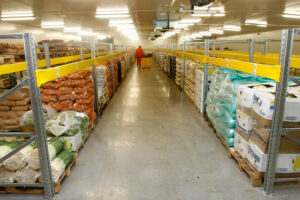
Remote food catering plays an important role in supporting workers across Canada’s most isolated job sites. Whether in the far
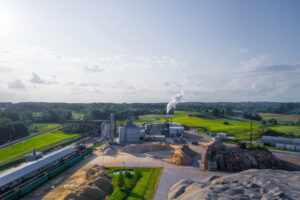
Remote camp maintenance jobs in Canada support the full lifecycle of temporary worksites—from setup (mobilization) to daily operations (maintenance) and

Remote catering companies play a vital role in supporting Canada’s vast and varied industries, especially those operating in isolated or
Oil and gas facilities management is a complex and critical discipline that ensures energy operations in Canada’s most remote locations