Inclusion in Resident Camps: Building Supportive Communities
Resident camps in Canada are more than temporary housing sites for workers in industries like mining, forestry, energy, and construction.
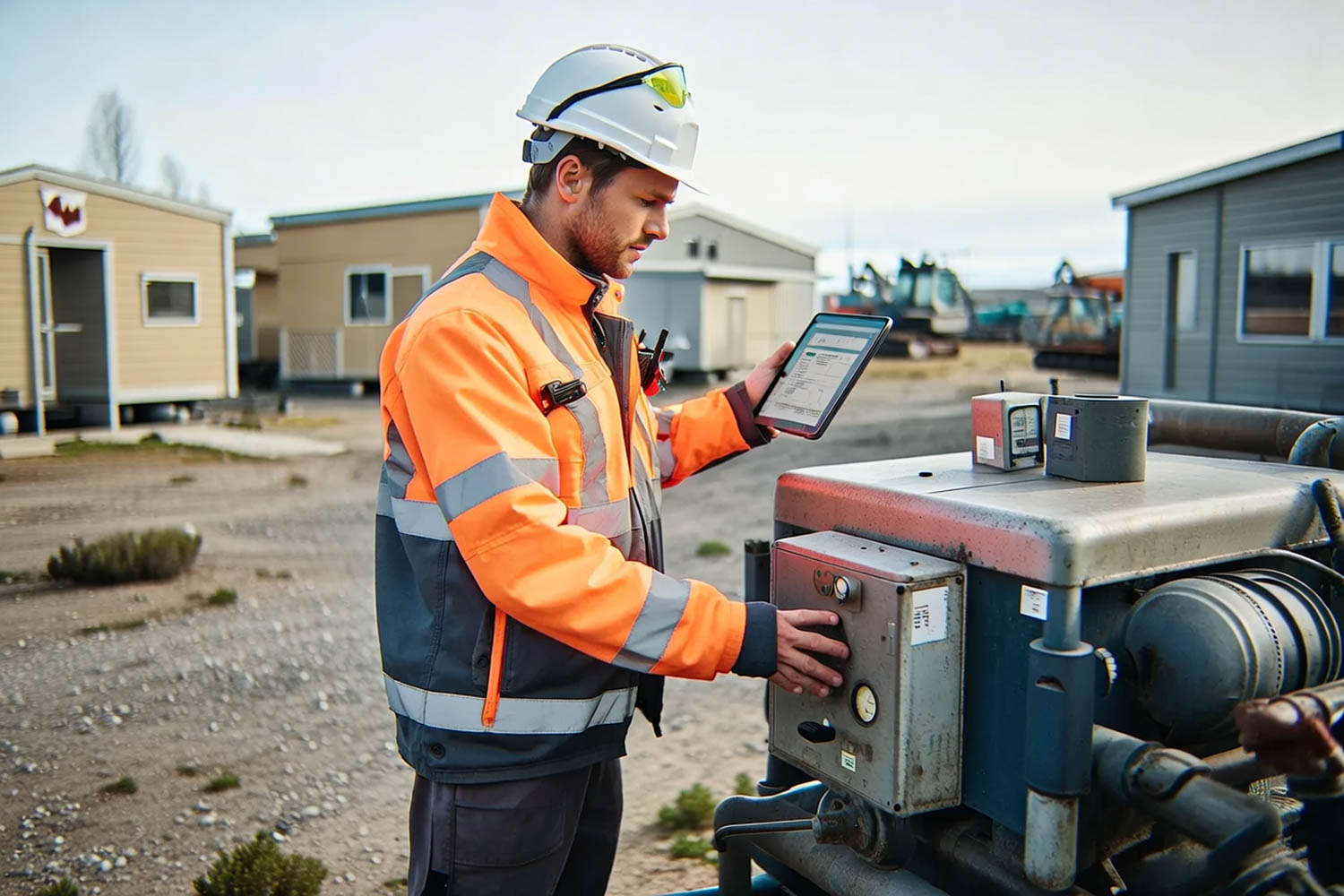
Remote camp maintenance jobs play a vital role in Canada’s resource and industrial sectors, supporting mining, oil and gas, hydroelectric, and large infrastructure projects. These positions are critical in temporary or semi-permanent camps in isolated areas, ensuring safe living conditions, operational efficiency, and environmental compliance. From mobilization and daily maintenance to demobilization and collaboration with Indigenous communities, these roles demand technical skill, adaptability, and cultural awareness.
Mobilization is the first step in creating a safe and functional facility.
Key Activities:
Mobilization requires precise planning, teamwork, and problem-solving to ensure camps are fully functional before the arrival of workers.
Once operational, field projects rely on specialized personnel to maintain safety, comfort, and productivity.
Key Responsibilities:
These tasks require teamwork, attention to detail, and the ability to respond quickly to technical or environmental challenges.
Demobilization involves dismantling the camp, safely transporting equipment, and restoring the site.
Critical Steps:
Efficient demobilization reduces environmental impact, ensures worker safety, and prepares resources for reuse.
Collaborating with Indigenous communities is increasingly important for offsite operations.
Key Practices:
Partnerships with Indigenous communities promote sustainable development, cultural respect, and long-term social benefits.
Successful candidates need a wide array of technical and soft skills:
Certifications in trades, first aid, WHMIS, and safety training are highly valued. Prior experience in industrial or field settings provides a significant advantage.
Wilderness projects play a crucial role in supporting Canada’s resource and infrastructure activities. From security and medical support to food services, recreational programs, and ongoing maintenance, these roles ensure safe and functional living conditions while promoting Indigenous partnerships and environmental stewardship. Careers in these environments combine technical skill, logistical coordination, and cultural sensitivity, offering unique experiences in some of Canada’s most isolated regions.
If you are a professional seeking a challenging and rewarding career in field operations, remote camp maintenance jobs provide the opportunity to make a significant impact while contributing to sustainable and socially responsible development.
Turn your expertise into opportunity. Work opportunities in facility upkeep await professionals ready to lead in challenging environments. Contact the Domco Group today to explore current openings and career opportunities.
Resident camps in Canada are more than temporary housing sites for workers in industries like mining, forestry, energy, and construction.
A remote facility is more than just a temporary shelter—it is a comprehensive hub designed to support workers and operations
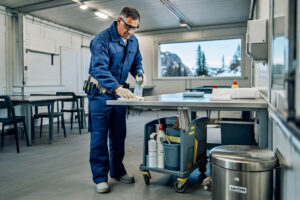
The primary objective of hiring remote janitorial services in offsite construction camps is to uphold health, safety, and operational efficiency

Remote camp maintenance jobs play a vital role in Canada’s resource and industrial sectors, supporting mining, oil and gas, hydroelectric,

When planning a large-scale project in a challenging location, remote food catering becomes one of the most critical services to
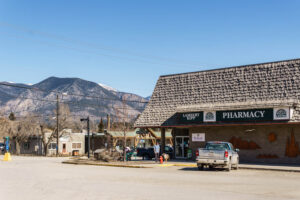
Remote health and safety is a critical component in the management and operation of Canadian field camps, especially those situated
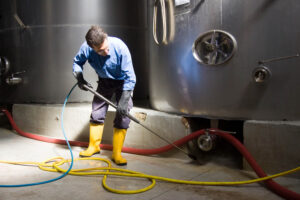
Janitorial camp services are the backbone of operational success in Canada’s energy sector, especially in remote oil and gas sites

Remote catering companies play a vital role in keeping workers safe, nourished, and productive across Canada’s industrial sectors. Whether supporting
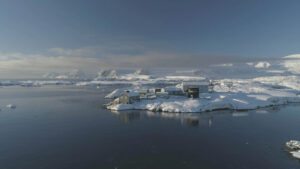
Exploration remote site services play a foundational role in enabling Canada’s most strategically important industries to operate in some of
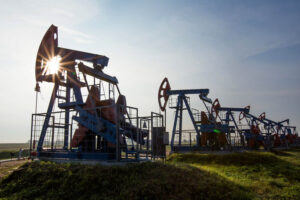
Selecting the right oil and gas facility maintenance provider is a pivotal decision for companies operating in Canada’s remote regions—from
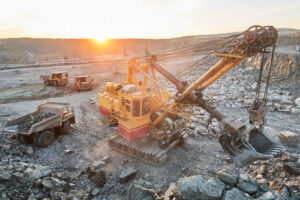
In Canada, mine camp management plays a key role in supporting workers at remote mining sites. These sites provide housing,
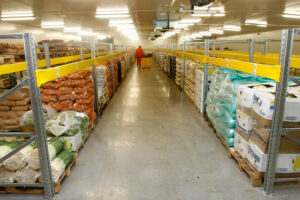
Remote food catering plays an important role in supporting workers across Canada’s most isolated job sites. Whether in the far
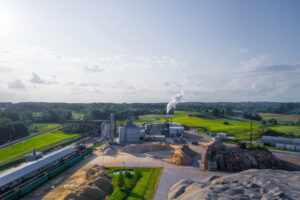
Remote camp maintenance jobs in Canada support the full lifecycle of temporary worksites—from setup (mobilization) to daily operations (maintenance) and

Remote catering companies play a vital role in supporting Canada’s vast and varied industries, especially those operating in isolated or
Oil and gas facilities management is a complex and critical discipline that ensures energy operations in Canada’s most remote locations