
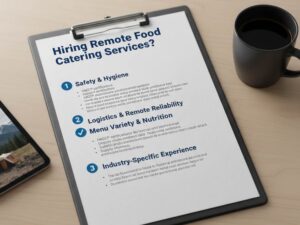
Checklist for Choosing the Best Remote Food Catering Partner
When planning a large-scale project in a challenging location, remote food catering becomes one of the most critical services to

Remote food catering plays an important role in supporting workers across Canada’s most isolated job sites. Whether in the far north or deep in the forest, industries rely on food services that can operate in tough conditions and meet the needs of different teams. This article looks at how remote food catering changes depending on the type of work, location, and workforce it serves.
Canada’s resource sectors often operate in remote areas with large crews working long shifts. These industries need reliable food services that can handle high demand and limited access to supplies.
These industries often hire camp catering companies that specialize in large-scale operations and understand the safety and logistical challenges of remote work.
Construction sites in remote areas—such as highway expansions or dam builds—need food services that can adjust to changing schedules and locations.
In this sector, remote catering companies are valued for their ability to work within tight timelines and follow safety rules while keeping crews well-fed.
Scientific and exploration teams working in Canada’s remote regions need food services that are compact, efficient, and easy to transport.
These operations often work with smaller remote camp catering providers who focus on quality and personalization.
Seasonal workforces in forestry and energy sectors also rely on food services that can operate in remote and changing environments.
These industries look for providers who can offer comfort and consistency, even in temporary camps.
In remote work environments, food services must do more than deliver meals—they must support the well-being, safety, and dignity of the people they serve. Successful providers understand that both cultural awareness and operational excellence are essential to building trust and maintaining morale.
Remote sites often bring together workers from diverse backgrounds, including Indigenous communities, newcomers, and multilingual teams. Catering providers must be thoughtful about how food choices reflect and respect these identities.
These efforts go beyond hospitality—they foster connection, reduce isolation, and support reconciliation in meaningful ways.
Operational standards are especially important in remote settings, where medical support may be limited and foodborne illness can have serious consequences.
Providers offering remote site food catering services are expected to meet or exceed these standards, often undergoing regular audits and inspections.
Food is more than fuel—it’s a source of comfort, routine, and emotional support. In isolated camps, mealtime can be the highlight of the day.
These small touches can have a big impact on mental health, team cohesion, and overall job satisfaction.
Providing food services in remote areas comes with a unique set of challenges that require careful planning and adaptability. These include:
Despite these challenges, experienced providers offering remote facility food catering services continue to find innovative ways to support Canada’s isolated sectors—balancing logistics, safety, and care in demanding environments.
Food services in remote areas help keep Canada’s industries running by providing meals that meet the needs of different environments and teams. Whether in mining, construction, research, or forestry, these services must be flexible, reliable, and thoughtful. As industries grow and change, remote food catering will continue to play a key role in supporting workers across the country.
Whether you’re managing a mining camp, leading a construction project, or coordinating a research expedition, your team deserves meals that are safe, satisfying, and culturally respectful. Our experienced catering team specializes in delivering high-quality food services to Canada’s most remote locations—on time, on budget, and with care.
Contact the Domco Group today to explore customized remote food catering solutions that keep your crew nourished, motivated, and ready for what’s next.
When planning a large-scale project in a challenging location, remote food catering becomes one of the most critical services to
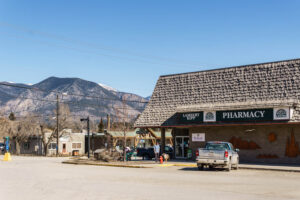
Remote health and safety is a critical component in the management and operation of Canadian field camps, especially those situated

Janitorial camp services are the backbone of operational success in Canada’s energy sector, especially in remote oil and gas sites

Remote catering companies play a vital role in keeping workers safe, nourished, and productive across Canada’s industrial sectors. Whether supporting
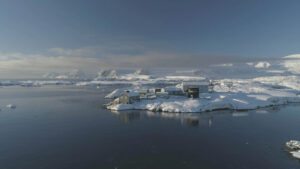
Exploration remote site services play a foundational role in enabling Canada’s most strategically important industries to operate in some of
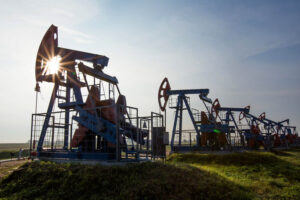
Selecting the right oil and gas facility maintenance provider is a pivotal decision for companies operating in Canada’s remote regions—from
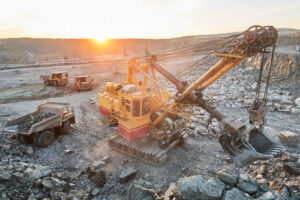
In Canada, mine camp management plays a key role in supporting workers at remote mining sites. These sites provide housing,
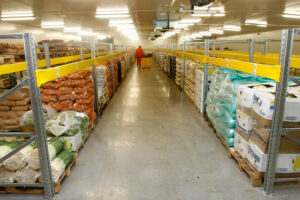
Remote food catering plays an important role in supporting workers across Canada’s most isolated job sites. Whether in the far
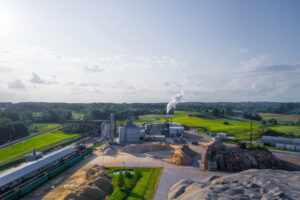
Remote camp maintenance jobs in Canada support the full lifecycle of temporary worksites—from setup (mobilization) to daily operations (maintenance) and

Remote catering companies play a vital role in supporting Canada’s vast and varied industries, especially those operating in isolated or

Oil and gas facilities management is a complex and critical discipline that ensures energy operations in Canada’s most remote locations
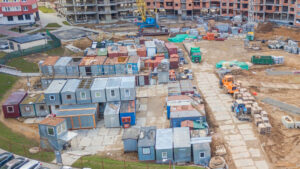
In the rugged, often isolated world of remote construction camps, construction facility management is the invisible force that sustains daily

Remote maintenance is the backbone of operational continuity in Canadian work camps, especially those located in isolated regions supporting industries
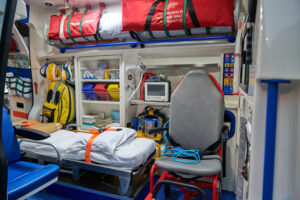
Remote camp health and safety is a vital concern in the management of Canadian remote workforce camps, especially in resource-driven
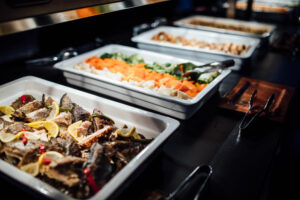
Keeping crews energized and satisfied starts with smart camp food menu ideas—especially in remote environments where morale and nutrition go