Remote Janitorial Services for Construction Camps
The primary objective of hiring remote janitorial services in offsite construction camps is to uphold health, safety, and operational efficiency

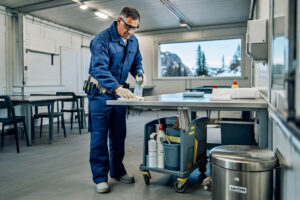
The primary objective of hiring remote janitorial services in offsite construction camps is to uphold health, safety, and operational efficiency at all times. Across Canada, workforce camps support large-scale mining, energy, and infrastructure projects in regions where harsh climates, limited accessibility, and rotational workforces create unique sanitation demands. From northern Alberta oil sands developments to Arctic mining operations and hydroelectric builds in British Columbia, maintaining hygienic, organized living conditions is essential not only for comfort, but also for safety, regulatory compliance, and productivity.
Offsite construction camps operate as self-contained communities that must function reliably for weeks or months at a time. Workers live, eat, and rest on-site, placing constant pressure on sanitation systems and shared spaces. In Canada, examples include large workforce camps supporting oil sands construction near Fort McMurray or pipeline and LNG infrastructure projects in northern British Columbia.
In these environments, remote facility janitorial services are responsible for maintaining cleanliness despite several ongoing challenges, including:
Because camps often house hundreds or thousands of workers, small lapses in sanitation can escalate quickly. This is why janitorial camp services must be structured, consistent, and aligned with health standards that account for both residential and industrial hygiene needs.
Construction camps inherently involve elevated health and safety risks, and sanitation failures can significantly increase those risks. Poorly cleaned floors, contaminated washrooms, or improperly handled waste can lead to injuries, illness outbreaks, or regulatory violations.
A professional remote site janitorial approach focuses on proactive hazard management, which includes:
For example, Arctic projects such as the Mary River iron mine on Baffin Island operate in extreme cold, where moisture management is critical. In these environments, improper cleaning can result in ice buildup indoors, creating slip hazards and damaging building materials. To address these risks, remote site janitorial services must adapt cleaning techniques to environmental conditions while still meeting occupational health and safety standards.
Life in a remote construction camp can be physically and mentally demanding. Long shifts, limited personal space, and extended separation from family all contribute to worker fatigue. Clean, well-maintained surroundings help offset these challenges by creating a sense of order and comfort.
Services associated with remote camp janitorial support worker well-being by maintaining:
Large infrastructure projects, such as British Columbia’s Site C Clean Energy Project, rely heavily on this level of cleanliness. Workers on rotational schedules depend on hygienic food service areas and sanitized living spaces to remain healthy. Expanded remote camp janitorial services help reduce absenteeism, prevent illness outbreaks, and sustain morale—factors that directly influence productivity and project timelines.
Janitorial operations in remote camps must be tightly integrated with overall site planning. Effective construction remote camp management ensures that cleaning activities align with daily routines and do not disrupt core operations.
Key integration considerations include:
During construction remote camp mobilization, janitorial teams often play a foundational role. When new camps are established for projects such as LNG developments near Kitimat, cleaning staff help prepare accommodations, kitchens, and washroom facilities before the first workers arrive. Their work supports early inspections, ensures compliance from the outset, and allows construction crews to focus on building rather than facility readiness.
Sanitation contributes directly to the durability and functionality of camp infrastructure. Routine cleaning supports construction facility maintenance by preventing the buildup of dirt, moisture, and corrosive substances that can degrade surfaces and equipment over time.
In remote northern environments, where repairs are expensive and replacement materials are difficult to transport, preventive care is especially important. Programs aligned with construction remote facility maintenance integrate cleaning with broader upkeep strategies, such as:
When combined with construction remote facility services, janitorial operations become part of a comprehensive support framework. This integrated approach strengthens overall construction facility management, particularly on multi-year projects where camps must remain operational through changing seasons and workforce demands.
Remote construction camps are complex ecosystems that require coordinated oversight across multiple disciplines. Cleanliness is a visible indicator of operational control and professionalism, reinforcing safety culture across the site.
Attention to facility building maintenance ensures that accommodations, utilities, and communal spaces remain reliable despite continuous use. When cleaning programs are aligned with construction remote site management, they provide valuable insights into:
In Northern Ontario mining and hydroelectric projects, consistent sanitation reporting helps leadership anticipate issues before they disrupt operations. Clean, well-managed camps contribute to smoother workflows, improved worker satisfaction, and stronger regulatory outcomes.
From oil sands camps in Alberta to Arctic mining sites and large-scale hydroelectric and LNG projects across Canada, maintaining hygienic living and working environments is fundamental to operational success. In these demanding settings, high standards of cleanliness directly support safety, morale, compliance, and asset protection—underscoring why professional remote janitorial services remain a cornerstone of effective remote construction camp operations.
Every day without proper sanitation increases risk. Connect with us today to learn how the Domco Group’s remote janitorial services can support your workforce and strengthen your construction operations.
The primary objective of hiring remote janitorial services in offsite construction camps is to uphold health, safety, and operational efficiency

Remote camp maintenance jobs play a vital role in Canada’s resource and industrial sectors, supporting mining, oil and gas, hydroelectric,

When planning a large-scale project in a challenging location, remote food catering becomes one of the most critical services to
Remote health and safety is a critical component in the management and operation of Canadian field camps, especially those situated
Janitorial camp services are the backbone of operational success in Canada’s energy sector, especially in remote oil and gas sites

Remote catering companies play a vital role in keeping workers safe, nourished, and productive across Canada’s industrial sectors. Whether supporting
Exploration remote site services play a foundational role in enabling Canada’s most strategically important industries to operate in some of
Selecting the right oil and gas facility maintenance provider is a pivotal decision for companies operating in Canada’s remote regions—from
In Canada, mine camp management plays a key role in supporting workers at remote mining sites. These sites provide housing,
Remote food catering plays an important role in supporting workers across Canada’s most isolated job sites. Whether in the far
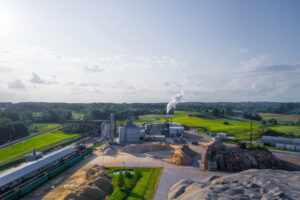
Remote camp maintenance jobs in Canada support the full lifecycle of temporary worksites—from setup (mobilization) to daily operations (maintenance) and

Remote catering companies play a vital role in supporting Canada’s vast and varied industries, especially those operating in isolated or
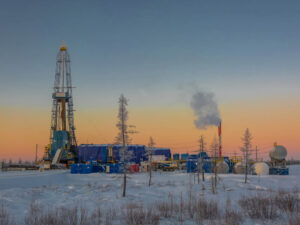
Oil and gas facilities management is a complex and critical discipline that ensures energy operations in Canada’s most remote locations
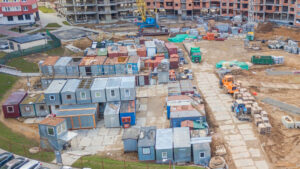
In the rugged, often isolated world of remote construction camps, construction facility management is the invisible force that sustains daily

Remote maintenance is the backbone of operational continuity in Canadian work camps, especially those located in isolated regions supporting industries