Remote Camp Security Through Indigenous Partnerships
Across Canada’s vast, isolated regions, ensuring remote camp security has become a top priority for organizations operating far from cities.

Remote maintenance is the backbone of operational continuity in Canadian work camps, especially those located in isolated regions supporting industries like mining, oil and gas, forestry, and energy. These camps are often hundreds of kilometers from urban centers, making upkeep and emergency response uniquely complex. From unpredictable weather to workforce shortages, the challenges are as vast as the landscapes they occupy.
Canada’s remote regions are known for their extreme climates—sub-zero winters, spring floods, and summer wildfires. These conditions wreak havoc on infrastructure, equipment, and supply chains.
This is especially vital for remote camp facility maintenance, where even minor delays can disrupt operations and compromise safety.
A maintenance team in Northern Manitoba used predictive sensors to monitor heating systems during winter storms, preventing outages and reducing emergency dispatches.
Finding and retaining qualified technicians willing to work in isolated locations is a persistent issue. Turnover is high, and training new hires on-site is costly and time-consuming.
This is particularly relevant for remote facility administration, where continuity and expertise are essential for managing complex systems.
A mining camp in the Yukon implemented rotational schedules and remote onboarding, which helped reduce turnover and attract skilled tradespeople from across Western Canada.
Transporting parts, tools, and materials to remote camps is expensive and vulnerable to delays due to weather, road conditions, or geopolitical factors.
This is a key concern in mine facility maintenance, where downtime can cost millions in lost productivity.
A camp in Northern Ontario partnered with nearby Indigenous suppliers for basic maintenance materials, cutting delivery times and improving reliability during seasonal road closures.
Many remote camps suffer from unreliable internet and cellular coverage, which hinders diagnostics, reporting, and coordination.
This is especially critical for remote facility camp management, where real-time updates are essential for safety and logistics.
A forestry operation in British Columbia installed satellite-based systems and mesh networks, allowing maintenance teams to report issues even during network outages.
Remote camps often rely on aging machinery and infrastructure that’s difficult to replace or upgrade due to location constraints.
This challenge is common in gas facility maintenance, where specialized equipment must operate flawlessly under pressure.
A facility in Northern Alberta extended the life of its water treatment system by deploying mobile diagnostic units and scheduling component upgrades during seasonal shutdowns.
Maintaining compliance with federal, provincial, and industry regulations is complex when documentation and inspections must be conducted remotely.
This is vital for oil facility maintenance, where environmental and safety regulations are especially stringent.
A remote energy site in Saskatchewan used drone inspections and cloud-based logs to meet provincial safety audit requirements without needing on-site inspectors.
Remote camps are often located in ecologically sensitive areas. Maintenance activities must minimize impact on local ecosystems.
This is particularly relevant for forestry remote facility maintenance, where preserving biodiversity is a top priority.
A camp in the Northwest Territories implemented composting and sensor-based water tracking to reduce waste and monitor environmental impact near protected wetlands.
Different camps may use varying systems, equipment, and protocols, making it difficult to scale maintenance strategies.
This is crucial for exploration remote facility maintenance, where consistency across temporary and permanent sites improves efficiency.
A resource company operating across Quebec and Ontario standardized its maintenance checklists and dashboards, improving cross-site coordination and reducing training time.
Remote camps often rely on diesel generators or limited renewable energy sources, making energy efficiency a major concern.
This is a growing priority in energy remote facility management, where sustainability goals are increasingly tied to operational success.
A remote camp in Northern British Columbia installed solar panels and automated HVAC controls, cutting diesel use and lowering monthly fuel costs.
Maintenance teams must collaborate with camp managers, industry operators, and government agencies—often across time zones and jurisdictions.
This is especially important in construction facility maintenance, where timelines and budgets are tightly interwoven.
A construction camp in Nunavut used shared project dashboards and weekly virtual meetings to align contractors, regulators, and camp managers across provinces.
Food services in remote camps are more than just a convenience—they’re a cornerstone of morale, health, and productivity. Yet delivering consistent, nutritious meals in isolated locations presents logistical and operational hurdles.
Effective remote camp food catering supports not only the wellbeing of workers but also the overall success of remote facility management, where every operational detail—from plumbing to plate—contributes to a stable and efficient camp environment.
A camp in Northern Saskatchewan used seasonal menus and partnered with nearby producers for fresh ingredients, improving meal satisfaction and reducing food waste.
Conclusion: Building Resilience Through Strategic Site Operations
Maintaining operations in Canadian work camps is a multifaceted challenge that demands foresight, adaptability, and innovation. From harsh weather conditions in the Yukon to the logistical complexities of supplying camps deep in the Alberta oil sands, every element requires careful planning. Success hinges on integrating environmental awareness, dependable infrastructure, and a skilled workforce to support daily functions. Whether you’re managing upkeep for a seasonal exploration site or coordinating long-term operations for an energy project, systems must be designed with durability and flexibility in mind. Ultimately, the future of Canadian work camps depends on how well we master the art and science of remote maintenance.
Need expert support with remote maintenance in your Canadian work camp?
From logistics and food services to full-scale remote facility management, our team is equipped to help you run safer, smarter, and more efficiently.
Contact us today to learn how we can support your operations.
Across Canada’s vast, isolated regions, ensuring remote camp security has become a top priority for organizations operating far from cities.
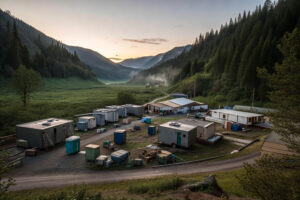
Industries working in isolated forest regions rely on forestry remote camp mobilization to ensure their teams are deployed quickly, safely,
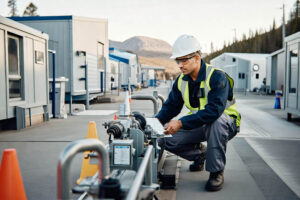
Resident camps in Canada are more than temporary housing sites for workers in industries like mining, forestry, energy, and construction.
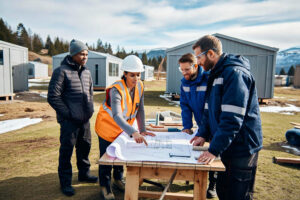
A remote facility is more than just a temporary shelter—it is a comprehensive hub designed to support workers and operations

The primary objective of hiring remote janitorial services in offsite construction camps is to uphold health, safety, and operational efficiency

Remote camp maintenance jobs play a vital role in Canada’s resource and industrial sectors, supporting mining, oil and gas, hydroelectric,

When planning a large-scale project in a challenging location, remote food catering becomes one of the most critical services to
Remote health and safety is a critical component in the management and operation of Canadian field camps, especially those situated

Janitorial camp services are the backbone of operational success in Canada’s energy sector, especially in remote oil and gas sites

Remote catering companies play a vital role in keeping workers safe, nourished, and productive across Canada’s industrial sectors. Whether supporting
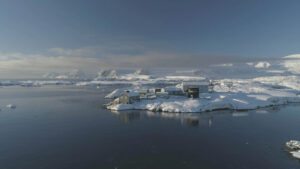
Exploration remote site services play a foundational role in enabling Canada’s most strategically important industries to operate in some of
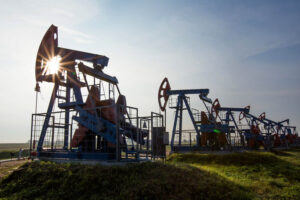
Selecting the right oil and gas facility maintenance provider is a pivotal decision for companies operating in Canada’s remote regions—from
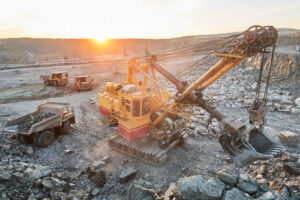
In Canada, mine camp management plays a key role in supporting workers at remote mining sites. These sites provide housing,
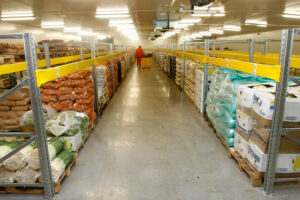
Remote food catering plays an important role in supporting workers across Canada’s most isolated job sites. Whether in the far
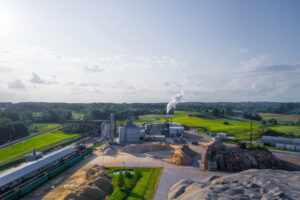
Remote camp maintenance jobs in Canada support the full lifecycle of temporary worksites—from setup (mobilization) to daily operations (maintenance) and