

Remote Maintenance Challenges in Canadian Work Camps
Remote maintenance is the backbone of operational continuity in Canadian work camps, especially those located in isolated regions supporting industries

The importance of sustainable energy solutions in remote facilities has emerged as a crucial focus for the industry. Utilising renewable sources and implementing sustainable practices enables remote operations to power up with efficiency while integrating environmental consciousness.
Remote operations often face unique challenges in terms of accessing conventional power sources. The reliance on diesel generators or the absence of electricity infrastructure can result in high costs, carbon emissions, and environmental impacts. Sustainable energy solutions provide a viable alternative, offering numerous benefits to remote operations, the surrounding environment, and the communities involved.
Renewable energy sources such as solar, wind, hydro, and biomass present abundant opportunities for powering remote operations sustainably. Leveraging on the potential of these sources and their benefits create a cleaner and more efficient energy landscape. By harnessing the power of the sun, wind, or water, we tap into renewable energy to meet the unique energy needs of remote sites.

One of the primary advantages of sustainable energy solutions is their ability to significantly reduce carbon emissions. Renewable energy sources produce little to no greenhouse gas emissions during operation, making them a more environmentally friendly choice. By shifting away from fossil fuel-based power generation, remote operations can play a vital role in mitigating climate change and preserving the natural environment.
Sustainable energy solutions offer long-term cost savings for remote operations. While the initial investment may be higher, the operational costs of renewable energy systems are often lower than traditional energy sources. Remote sites that rely on diesel generators can experience significant cost reductions by integrating renewable energy systems, as they reduce the dependency on fuel transportation and fluctuating fuel prices.
Remote operations face the risk of disruptions to conventional power supply chains due to logistical challenges, extreme weather events, or geopolitical factors. Sustainable energy solutions provide energy resilience by generating power on-site, reducing dependency on external sources. This independence allows remote operations to continue functioning even during power outages or supply disruptions.
Sustainable energy solutions are revolutionizing the way remote operations are powered. By harnessing the potential of renewable sources, such as solar, wind, hydro, and biomass, we can create a cleaner, more efficient, and environmentally conscious energy landscape. Implementing renewable energy systems that reduce carbon emissions, enhance energy resilience, generate cost savings, empower local communities and eventually pave the way for a brighter, greener future in remote operations.
Remote maintenance is the backbone of operational continuity in Canadian work camps, especially those located in isolated regions supporting industries
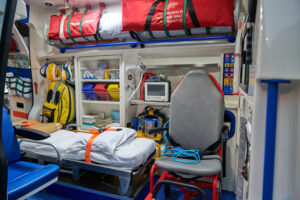
Remote camp health and safety is a vital concern in the management of Canadian remote workforce camps, especially in resource-driven

Keeping crews energized and satisfied starts with smart camp food menu ideas—especially in remote environments where morale and nutrition go

Gas remote camp mobilization is a critical operational phase in Canada’s oil and gas industry, particularly in remote and northern

When it comes to remote site security in Canadian work camps, ensuring safety and protection is paramount. These facilities, often

In Canada’s vast and resource-rich landscapes, remote site maintenance plays a pivotal role in sustaining the operations of work camps

In Canada’s vast and often isolated regions, remote camp management plays a vital role in advancing sustainability across diverse work

Remote site administration is a vital function in Canada’s most geographically isolated and operationally demanding environments. From the Arctic’s frozen

Developing a sustainable infrastructure for a remote camp facility located in the rugged, often isolated regions of Canada—such as the

In Canada’s vast and rugged landscapes, remote facility catering has evolved from a logistical challenge into a platform for sustainable

Budgeting for facility repair and maintenance in remote Canadian work sites is no small task. When miles away from urban

The process of gas remote camp mobilization in Canada is a critical operation that supports the development and maintenance of

Remote facility chefs are the unsung heroes of Canada’s sprawling wilderness operations—from fly-in camps tucked into diamond-rich tundras to energy

Exploration remote camp mobilization in Canada is a critical logistical and operational process that supports field-based activities in some of

Remote off site monitoring is transforming how Canada’s resource sectors manage operations across vast and isolated landscapes, making it a