
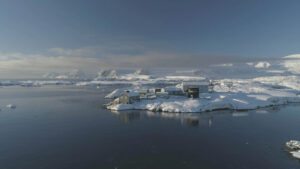
Canada’s Future Relies on Exploration Remote Site Services
Exploration remote site services play a foundational role in enabling Canada’s most strategically important industries to operate in some of

Water is a fundamental resource that sustains life and is essential for various activities, from drinking and sanitation to cooking and cleaning. Where water scarcity may be a challenge, remote sites, and remote camp facilities recognize the importance of responsible water management. Sustainable practices ensure a reliable and environmentally conscious approach to water management in remote locations.
Remote locations often face unique water scarcity challenges due to limited access to freshwater sources and reliance on alternative water supplies. There are many challenges and working diligently to implement strategies that minimize water usage will ensure a reliable supply for future generations. By understanding the local water availability and demands, tailored solutions can be developed to optimize water usage and minimize waste.
Evaluating each site to identify opportunities for water-saving measures can lead to the ultimate goal of utilizing efficient water systems and technologies to maximize water conservation in remote locations. This includes implementing low-flow faucets and showers, utilizing water-efficient appliances, and employing advanced water management systems to monitor and control water consumption. These measures not only reduce water usage but also contribute to cost savings and environmental sustainability.

In remote locations, where every drop of water counts, innovative solutions like rainwater harvesting and greywater recycling are critical strategies for sustainable water resource management. Rainwater collection systems capture and store rainwater for non-potable uses such as irrigation, cleaning, and toilet flushing. Greywater recycling systems treat and reuse wastewater from sinks, showers, and laundry for secondary purposes, reducing the strain on freshwater supplies. These practices help conserve water resources and minimize reliance on external sources.
Collaboration is key to sustainable water management. Involving local communities, Indigenous groups, and various water management organizations fosters strong partnerships that are committed to long-term sustainable water solutions. By combining technical expertise with local knowledge and traditional practices, we co-create strategies that protect water resources, promote resilience, and ensure long-term sustainability. Through these partnerships, we can address complex water challenges and foster a shared commitment to preserving this precious resource.
With the pressing challenges of water scarcity and pollution, it’s crucial more than ever to recognize the critical importance of sustainable water management in remote locations. By implementing efficient water systems, utilizing innovative technologies, embracing rainwater harvesting and greywater recycling, promoting education and awareness, and fostering partnerships for sustainable solutions, we strive to protect and conserve water resources and ensure a reliable supply while minimizing the environmental impact. By prioritizing the preservation of this precious resource, we help create a sustainable future for remote work locations and safeguard water resources for generations to come.
Exploration remote site services play a foundational role in enabling Canada’s most strategically important industries to operate in some of
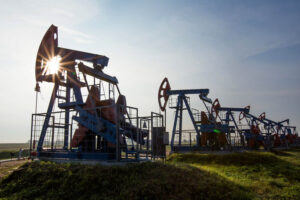
Selecting the right oil and gas facility maintenance provider is a pivotal decision for companies operating in Canada’s remote regions—from
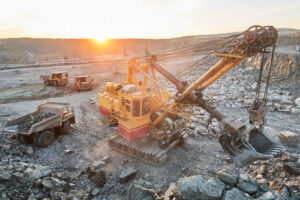
In Canada, mine camp management plays a key role in supporting workers at remote mining sites. These sites provide housing,
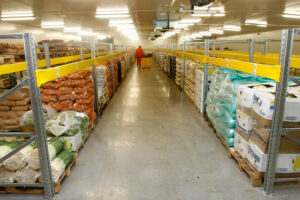
Remote food catering plays an important role in supporting workers across Canada’s most isolated job sites. Whether in the far
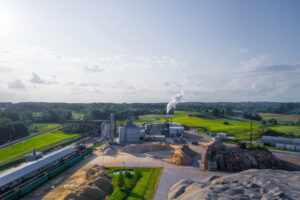
Remote camp maintenance jobs in Canada support the full lifecycle of temporary worksites—from setup (mobilization) to daily operations (maintenance) and

Remote catering companies play a vital role in supporting Canada’s vast and varied industries, especially those operating in isolated or
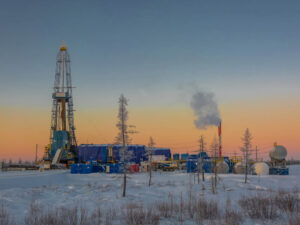
Oil and gas facilities management is a complex and critical discipline that ensures energy operations in Canada’s most remote locations
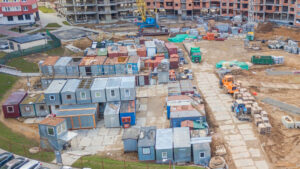
In the rugged, often isolated world of remote construction camps, construction facility management is the invisible force that sustains daily

Remote maintenance is the backbone of operational continuity in Canadian work camps, especially those located in isolated regions supporting industries
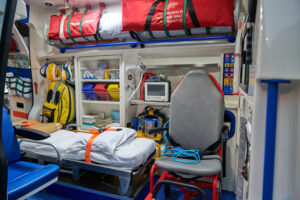
Remote camp health and safety is a vital concern in the management of Canadian remote workforce camps, especially in resource-driven

Keeping crews energized and satisfied starts with smart camp food menu ideas—especially in remote environments where morale and nutrition go

Gas remote camp mobilization is a critical operational phase in Canada’s oil and gas industry, particularly in remote and northern

When it comes to remote site security in Canadian work camps, ensuring safety and protection is paramount. These facilities, often

In Canada’s vast and resource-rich landscapes, remote site maintenance plays a pivotal role in sustaining the operations of work camps

In Canada’s vast and often isolated regions, remote camp management plays a vital role in advancing sustainability across diverse work