
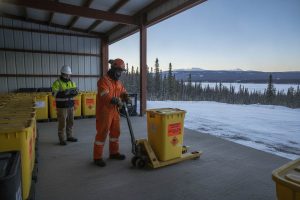
Remote Camp Hazardous Waste Checklist Canada: Compliance & Operations Guide
Remote operations in Canada take place in challenging environments where multiple systems must work together smoothly — including accommodation, logistics,

Foresterie remote camp mobilization in Canada is a critical process that ensures the efficient deployment of temporary living and working facilities in remote locations where forestry operations take place. Given the vast and often isolated nature of Canada’s forests, mobilizing a functional and well-equipped remote site is essential to support forestry professionals in their work.
Canada is home to some of the world’s most expansive and commercially viable forests, covering nearly 347 million hectares—about 38% of the country’s total land area. From logging operations to wildfire management, reforestation, and ecological surveys, many of these activities occur in remote, rugged environments where daily commuting is not feasible.
To support operations in these areas, forestry camps are set up to house crews and specialists near job sites. But before the first tree is planted or harvested, a critical first phase must take place: camp mobilization.
Remote industry projects such as forestry, mining, and construction require a specialized remote camp facility designed to withstand harsh environmental conditions while providing essential amenities. These facilities serve as logistical hubs for forestry professionals, including environmental scientists, conservationists, tree planters, and timber harvesters.
A forestry remote site provides vital support services such as housing, food, medical care, and logistical coordination for workers in forestry-related activities. These facilities are essential to maintaining operations in isolated locations lacking permanent infrastructure.
Mobilization is essential for various forestry operations, including:
To succeed in remote environments, forestry workforce accommodations must be carefully designed to meet industry standards while supporting the health, safety, and morale of crews.
These remote living facilities must be meticulously planned and managed to meet industry-specific requirements while prioritizing the health, safety, and morale of the workforce. The primary goal is to establish a self-sustaining environment that enables workers to operate efficiently in remote, often challenging, conditions. Proper mobilization enhances safety, comfort, and productivity, while also supporting sustainability, regulatory compliance, and operational efficiency.
Forestry remote camp mobilization refers to the process of transporting, constructing, and setting up temporary accommodations and operational infrastructure for forestry personnel working in remote or hard-to-access areas. Key components of a mobilized camp typically include:
Unlike the long-term worksites commonly associated with mining or oil and gas industries, forestry camps are typically semi-permanent or seasonal, reflecting the time-bound and mobile nature of forestry work.
Let’s take a closer look at some essential elements that make up a successful remote worksite:
Remote facilities must provide comfortable and durable living quarters for workers. These may include modular space solutions such as temporary portable buildings or modular trailers designed to withstand the elements while offering basic amenities.
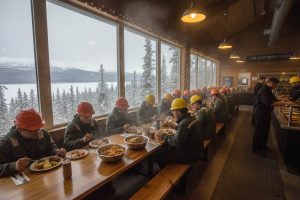
Providing nutritious meals in remote sites is essential. Forestry food catering services ensure that workers receive well-balanced meals tailored to their nutritional needs. Remote facility chefs oversee the preparation and delivery of meals, taking into account dietary restrictions and operational logistics.
Proper hygiene and sanitation are crucial in forestry camps. Remote site housekeeping and remote camp housekeeping jobs ensure that living quarters and workspaces remain clean and sanitary. Remote cleaning services manage waste disposal and maintain environmental health standards.
Regular upkeep of remote sites is necessary to ensure efficiency and safety. Forestry facility management includes routine inspections, maintenance of essential equipment, and infrastructure repairs. Forestry remote facility maintenance covers areas such as plumbing, electrical systems, and heating to ensure optimal functionality.
Protecting personnel and resources in remote locations is a priority. Remote site security cameras enhance surveillance, prevent unauthorized access, and ensure worker safety. Emergency response protocols, fire safety measures, and medical services are also integral to security.
Effective forestry remote site management ensures smooth operations by coordinating logistics, workforce scheduling, and regulatory compliance. Adequate workspaces, including offices and storage units, allow teams to perform administrative tasks and store essential equipment.
Providing recreational spaces and wellness programs helps maintain morale and productivity. Outdoor relaxation areas, fitness facilities, and entertainment spaces contribute to a balanced work environment.
Mobilizing a forestry remote site requires strategic planning, resource coordination, and environmental sensitivity. Here’s what’s typically involved:
In many cases, a modular trailer provides a flexible solution for transporting and assembling essential camp infrastructure.
To expedite setup, temporary portable buildings are commonly used for both housing and operations.
Forestry remote camp facility mobilization isn’t just for logging. It also plays a crucial role in seasonal work and emergency response. These specialized camps are tailored to meet the unique demands of different forestry operations and environmental conditions:
Set up during peak planting seasons, these camps are designed to support reforestation crews working in remote areas for extended periods.
Deployed quickly during wildfire emergencies, these camps serve as command and logistics hubs for firefighting crews.
Built for operations in cold climates, these camps are equipped to handle extreme weather while ensuring crew safety and efficiency.
Mobilizing a forestry remote facility involves significant upfront costs, especially in remote locations. Common contract structures include:
Government and private forestry clients often require detailed mobilization/demobilization plans and cost justifications in project proposals. Partnering with an experienced camp management company like the Domco Group can streamline logistics, permitting, and compliance across all phases. Their expertise is essential in the specialized field of forestry facility management.

Camp mobilization in Canada is an essential operation that enables efficient, safe, and sustainable forestry activities in remote regions. By combining strategic planning, modular construction, and specialized services across housing, food, hygiene, security, and facility management, forestry operations can run smoothly even in the most challenging environments. As technology and best practices continue to advance, these camps are becoming more adaptable, environmentally responsible, and worker-focused. Whether it’s managing remote site security cameras, delivering forestry food catering services, or deploying temporary portable buildings, mobilization teams play a critical role in supporting Canada’s remote forestry workforce. Ultimately, the success of forestry operations in isolated environments hinges on the effectiveness of forestry remote camp mobilization.
Get Started Today
Preparing for remote forestry operations? Ensure a smooth, compliant, and sustainable camp setup. Partner with experts in modular construction, facility management, and logistics to create camps that support worker well-being and operational success. Contact us today to learn how we can help you optimize your forestry remote camp mobilization from planning to execution.
Remote operations in Canada take place in challenging environments where multiple systems must work together smoothly — including accommodation, logistics,
Industrial operations in Canada—whether in oil sands, mining regions, forestry zones, or large-scale construction corridors—depend on one critical but often
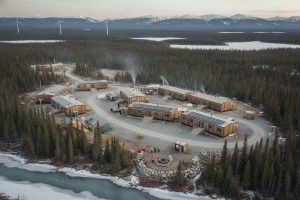
When organizations evaluate large-scale industrial work in places like Northern Alberta, British Columbia, or Newfoundland and Labrador, a remote site

Across Canada’s resource-driven economy, workforce accommodations play a critical role in keeping major projects running smoothly. In sectors such as
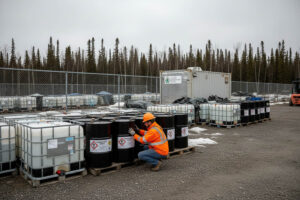
Remote operations in Canada involve multiple integrated systems working together — including accommodation, logistics, safety, and environmental controls. In sectors
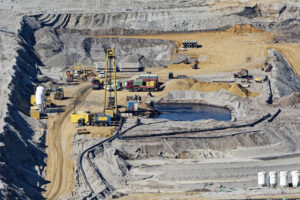
Mining in Canada isn’t just about extracting resources — it’s about sustaining teams through remote camp services in Canadian mining
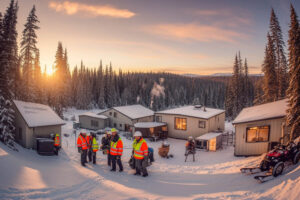
When comparing modular camps vs remote camps, many companies in Canada assume the terms mean the same thing. While the

In places like Fort McMurray’s oil sands or Kitimat’s LNG projects, remote catering companies play a vital role in supporting
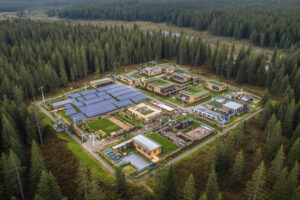
As industrial activity expands into environmentally sensitive regions, sustainable remote camp services Canada are becoming essential to balancing operational efficiency
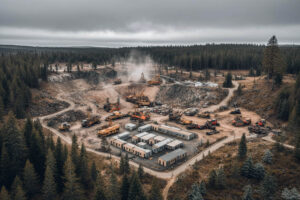
Across vast and isolated regions, remote camp services in Canada play a crucial role in enabling industries to operate efficiently
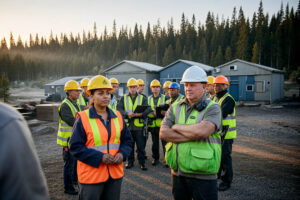
Effective remote site management is crucial for organizations operating in Canada’s isolated work environments, such as oil sands sites in
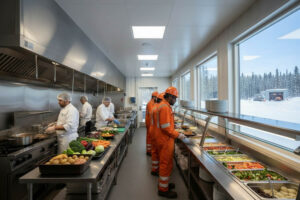
Remote site food catering services play a crucial role in sustaining Canada’s diverse industries, from mining and oil to forestry
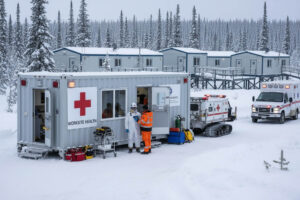
Remote site medical support plays a critical role in safeguarding the health and safety of employees working in Canada’s most
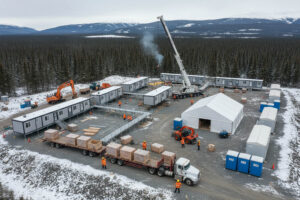
Mobilizing operations in challenging environments requires precision, planning, and expertise. That’s why remote camp mobilization is at the heart of
In demanding industrial environments, maintaining safety and stability is essential, and remote site security plays a critical role in protecting