Remote Camp Hazardous Waste Checklist Canada: Compliance & Operations Guide
Remote operations in Canada take place in challenging environments where multiple systems must work together smoothly — including accommodation, logistics,

Remote facility chefs are the unsung heroes of Canada’s sprawling wilderness operations—from fly-in camps tucked into diamond-rich tundras to energy exploration sites in the northern forests. These culinary professionals don’t just cook; they create comfort, fuel productivity, and cultivate morale in some of the world’s most isolated environments. Their life is one of high stakes, high creativity, and high resilience.
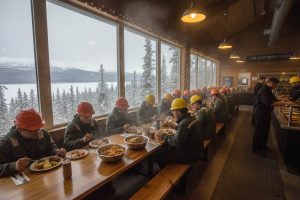
Mornings start early—usually around 4:30 a.m. The camp is quiet except for generators humming and distant wildlife calls. The remote facility chef shuffles into the industrial kitchen, fires up the coffee machines, and prepares breakfast for dozens or even hundreds of workers. Every meal is carefully portioned based on a weekly food camp menu—approved ahead of time by remote camp management and tailored to nutrition and logistics.
After breakfast service, there’s barely a breath before diving into prep work for lunch and dinner. Unlike typical food catering services, supply runs here only happen weekly or biweekly, so there’s no room for error. Every ingredient has to be accounted for, especially when managing food for energy remote food catering services or oil food catering services, where appetite and output run high.
By evening, dinner brings not just sustenance but comfort: roast turkey and stuffing, hearty soups, and decadent desserts that remind workers of home. Cleanup can stretch late, and the chefs finally clock out around 9 p.m., only to do it all over again tomorrow.
It’s not just long hours and complex logistics—it’s the intense psychological toll of working in isolation. Remote facility chefs might be away from family for weeks, and the unpredictable weather, high-stress demands, and social solitude demand immense mental resilience.
Physically, the role is demanding too. Heavy lifting, constant standing, and high-pressure environments rival any construction job. Just like those in construction remote food catering services, chefs need to maintain stamina, manage stress, and adapt on-the-fly to missing ingredients or malfunctioning equipment.
To mitigate burnout and support staff wellness, companies implement strict health and safety policies for remote workers, which include mental health checks, proper sleep routines, and peer support programs—crucial lifelines when you’re running kitchen services at exploration remote food catering services or diamond mine food catering services.
Not every talented chef is cut out for camp life. Remote facility chefs must have more than culinary credentials—they need the right mindset. The most effective chefs in these roles often display a unique blend of attributes:
Being a chef in a remote facility food catering service means mastering both craft and compassion, combining culinary expertise with a deep understanding of human behavior and needs.
Each sector has its own quirks. In forestry food catering services, for instance, the challenge might be creating high-protein menus for lumber crews with limited power sources. Meanwhile, in oil food catering services, it’s about producing calorie-dense meals for workers in harsh, windy conditions.
Research food catering services demand precision and routine, often catering to scientists who have specific dietary restrictions. Energy remote food catering services, on the other hand, require flexible menus with consistent nutritional content to keep physical laborers at peak performance.
In particular, gold mine food catering services require hearty, high-energy meals for crews who work long shifts in isolated, rugged areas like the Yukon. Maintaining variety while delivering essential nutrition is key—not just for health, but for morale.
Remote site catering isn’t just about feeding people—it’s about adapting to fluctuating schedules, supply delays, and harsh terrain, whether you’re serving up camp food menu ideas at a small exploration site or providing large-scale meals for remote site chefs in expansive corporate operations
One of the most underrated skills in this role is planning the food camp menu. Chefs rely on spreadsheets, historical consumption data, and budget constraints to build menus weeks in advance. A remote catering operation might need to adjust based on weather delays, workforce changes, or kitchen shortages.
Imagine crafting meals for a fly-in crew at a diamond mine worksite—knowing they’ll only eat what was flown in last Tuesday. Or planning three weeks of meals for a construction camp without access to fresh herbs.
Menus must appeal to a wide palate, consider health requirements, and stay exciting. Chefs rotate classics like meatloaf, pasta night, and taco Tuesdays, but also surprise crews with themed dinners, vegetarian feasts, or spicy international flair. All while abiding by guidelines from remote facility food catering services.

Effective remote camp catering relies not only on cooking skills but also on seamless teamwork across departments. Chefs play a pivotal role in coordinating logistics, adapting menus, and maintaining safety standards in unpredictable environments.
Cross-Department Communication
Remote facility chefs constantly coordinate with operations teams, housekeeping, and health officers to ensure mealtimes align with shift schedules, dietary needs, and safety standards.
Procurement & Supply Chain Syncing
They work closely with logistics coordinators to track deliveries of bulk ingredients, specialty items, and cleaning supplies—vital for camps dependent on weekly or biweekly resupply flights or road shipments.
Menu Adaptation
As on-site representatives of camp catering companies, they adapt menus in real time—adjusting for inventory changes, delivery delays, and evolving site needs. When deliveries are delayed, they adjust quickly—crafting alternative meals that meet nutrition goals while keeping teams satisfied and fueled for the job.
Health & Safety Integration
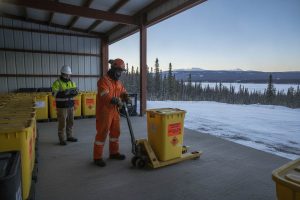
Chefs contribute to the implementation of the health and safety policy for remote workers by maintaining hygienic kitchen environments, handling food safely, and ensuring waste disposal aligns with regulatory standards.
Feedback Loops for Continuous Improvement
They gather direct input from workers, supervisors, and remote camp management to fine-tune meals, improve satisfaction, and respond to changing dietary preferences or morale needs.
Emergency Planning & Contingency Cooking
Remote site chefs often plan for supply disruptions, power outages, or extreme weather by keeping reserve ingredients and “just-in-case” menu options.
Cultural & Seasonal Coordination
For multicultural crews, chefs often coordinate with HR or site leads to incorporate meals that honor cultural traditions or seasonal events—boosting inclusivity and team spirit
They nourish bodies, boost morale, and make inhospitable environments feel just a bit more like home. Their days are long, their challenges great, and their impact immeasurable. Whether serving in forestry camps or plating meals in icy northern research labs, these culinary professionals are more than cooks—they are caretakers of well-being in the wild. For those who wonder what it really takes, just know this: remote facility chefs bring heart, grit, and a whole lot of flavor to some of the toughest jobs on Earth.
Looking for experienced remote facility chefs or reliable remote catering solutions? Connect with the Domco Group today to learn how our tailored food catering services can support your team’s health, productivity, and morale—no matter how challenging your location is.
Remote operations in Canada take place in challenging environments where multiple systems must work together smoothly — including accommodation, logistics,
Industrial operations in Canada—whether in oil sands, mining regions, forestry zones, or large-scale construction corridors—depend on one critical but often
When organizations evaluate large-scale industrial work in places like Northern Alberta, British Columbia, or Newfoundland and Labrador, a remote site

Across Canada’s resource-driven economy, workforce accommodations play a critical role in keeping major projects running smoothly. In sectors such as
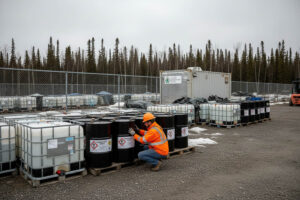
Remote operations in Canada involve multiple integrated systems working together — including accommodation, logistics, safety, and environmental controls. In sectors
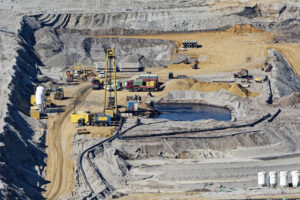
Mining in Canada isn’t just about extracting resources — it’s about sustaining teams through remote camp services in Canadian mining
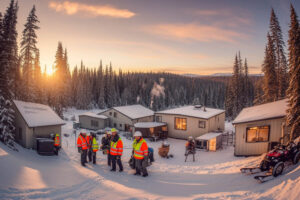
When comparing modular camps vs remote camps, many companies in Canada assume the terms mean the same thing. While the

In places like Fort McMurray’s oil sands or Kitimat’s LNG projects, remote catering companies play a vital role in supporting
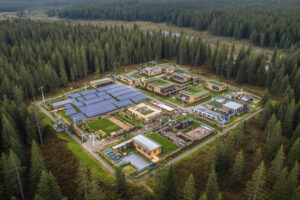
As industrial activity expands into environmentally sensitive regions, sustainable remote camp services Canada are becoming essential to balancing operational efficiency
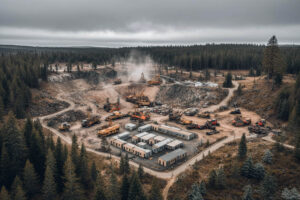
Across vast and isolated regions, remote camp services in Canada play a crucial role in enabling industries to operate efficiently
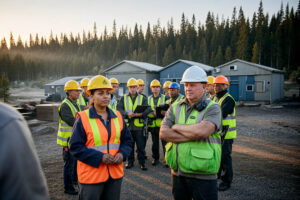
Effective remote site management is crucial for organizations operating in Canada’s isolated work environments, such as oil sands sites in
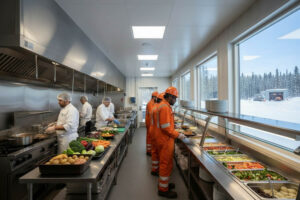
Remote site food catering services play a crucial role in sustaining Canada’s diverse industries, from mining and oil to forestry
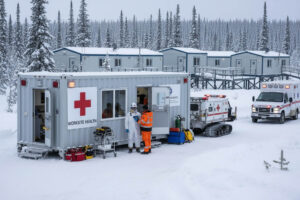
Remote site medical support plays a critical role in safeguarding the health and safety of employees working in Canada’s most
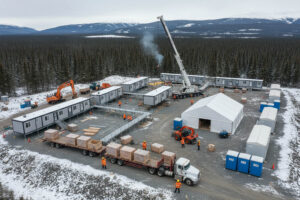
Mobilizing operations in challenging environments requires precision, planning, and expertise. That’s why remote camp mobilization is at the heart of

In demanding industrial environments, maintaining safety and stability is essential, and remote site security plays a critical role in protecting