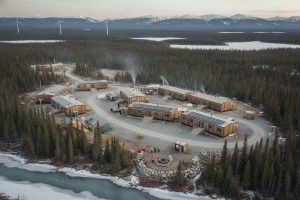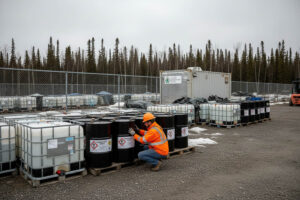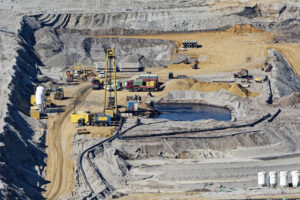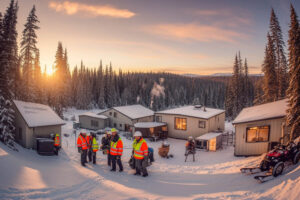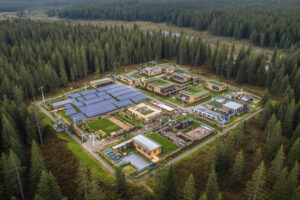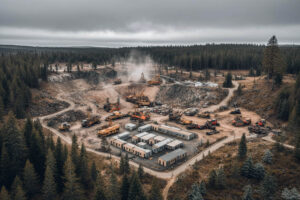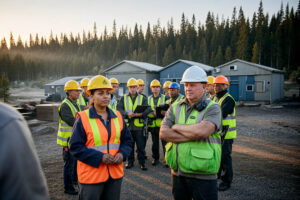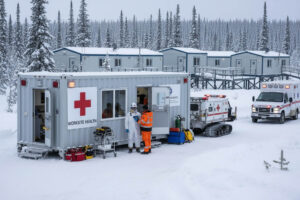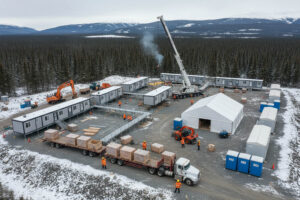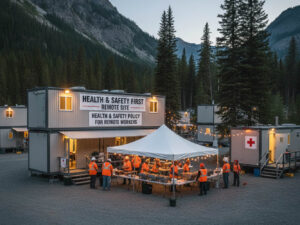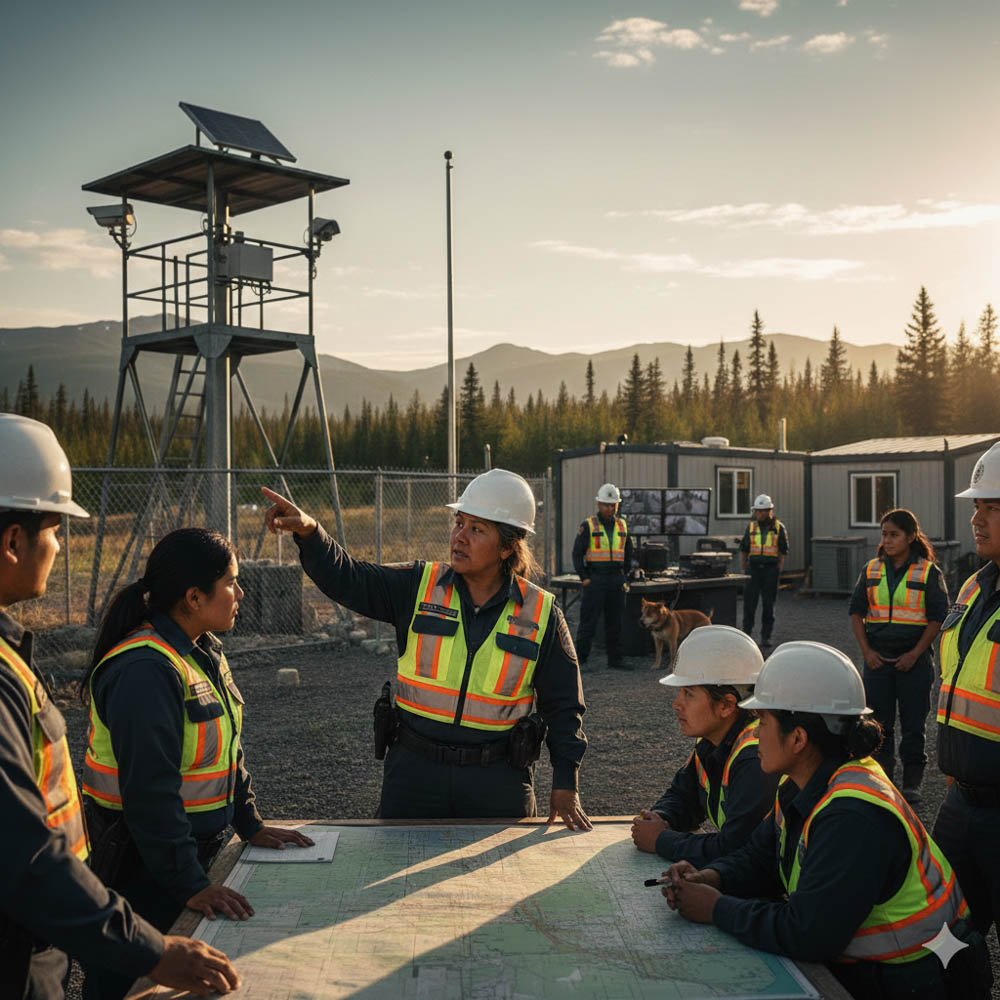
Across Canada’s vast, isolated regions, ensuring remote camp security has become a top priority for organizations operating far from cities. Work sites supporting resource development, infrastructure projects, and environmental programs face unique challenges that standard protection models often miss. Increasingly, companies are discovering that community-driven partnerships offer a safer, smarter way to protect people, assets, and operations.
The Unique Risks of Isolated Work Sites in Canada
Facilities far from population centers face a mix of environmental, operational, and human risks:
- Limited emergency response times
- Harsh weather conditions
- High workforce turnover
- Logistical challenges for supplies and maintenance
Traditional remote facility security approaches often rely on technology or outside contractors. While useful, they can miss the regional context that’s critical for preventing incidents. In Canada, lands have been cared for by First Nations, Inuit, and Métis communities for generations. Their deep understanding of the terrain, seasonal patterns, and community culture offers a level of insight that external providers simply can’t match.
Technology Supports, But Doesn’t Replace People
Digital tools are essential in today’s operations:
- Remote site CCTV monitoring allows for real-time oversight
- Centralized remote site monitoring systems detect early issues
- Remote site security cameras and remote site security systems deter unauthorized activity
But technology alone isn’t enough. Effective remote security depends on teams who know the area and the communities around it. Regional staff can interpret alerts, respond appropriately, and handle situations safely and respectfully.
Why Regional Knowledge Matters
Managing remote site access is more than controlling gates and badges—it requires awareness of:
- Traditional travel routes
- Seasonal harvesting or hunting areas
- Cultural events and local priorities
Including this insight improves remote camp management by aligning safety practices with community expectations. When operations respect local values, trust grows, compliance improves, and projects run more smoothly.
Partnering with Indigenous Experts for Remote Camp Security Solutions
Working with Indigenous specialists transforms protection from a basic service into a shared responsibility. Through Indigenous security partnerships, organizations co-design solutions rooted in mutual respect.
Key elements of these collaborations include:
- Joint risk assessments informed by traditional land knowledge
- Community-based patrols integrated with modern monitoring tools
- Training programs blending modern protocols with cultural practices
- Clear communication between site leadership and community authorities
This approach reflects Indigenous leadership in remote camp security, giving Indigenous experts a meaningful role in keeping people and assets safe.
Workforce Wellbeing and Cultural Alignment
Safety isn’t just about equipment—it’s about people. Indigenous-led workforce protection focuses on keeping teams safe while respecting their wellbeing. Indigenous leaders understand the pressures on both visiting staff and community members working on-site, helping prevent conflicts before they escalate.
Embedding Indigenous community security solutions into daily operations creates work environments where everyone feels protected, respected, and connected to the land.
Supporting Complex Operations Across Canada
Protection does not operate in isolation—it integrates with other site functions. Indigenous teams often help with remote camp services and remote site facility maintenance, ensuring lighting, barriers, and emergency equipment remain functional.
This integrated approach supports broader construction and facilities management goals, especially in high-risk sectors such as:
- Mine remote site management
- Forestry remote camp management
- Oil and gas facilities management
By combining regional insight with operational expertise, organizations can manage safety, environmental responsibility, and community relations at the same time.
Long-Term Benefits of Indigenous-Led Protection
Working with Indigenous experts offers more than just protection. Indigenous security expertise for remote camps supports employment, skills development, and local economies. It also enhances an organization’s social license to operate, showing respect for the original stewards of the land.
Most importantly, this model demonstrates how Indigenous leadership strengthens remote camp safety by treating protection as stewardship, not just control. When people who know the terrain help safeguard operations, everyone benefits.
The Future of Remote Camp Safety in Canada
As industries expand into Canada’s isolated regions, traditional “one-size-fits-all” safety strategies fall short. The most effective approach blends technology, regional knowledge, and shared responsibility. By embracing remote camp security through Indigenous community partnerships, organizations can create safer, more resilient operations that honor both people and place.
In Canada’s isolated environments, the strongest protection comes from collaboration, cultural understanding, and trust—the true foundation of remote camp security.
Planning a Project in an Isolated Region?
Stronger protection starts with the right partners. Get proven, on-the-ground protection backed by local expertise and modern systems. Talk to our team about a community-led security solution built for isolated environments.