

7 Benefits of Professional Remote Housekeeping for Camp Operations
Maintaining a productive workforce in isolated accommodations requires more than comfortable lodging and quality amenities. In the middle of daily
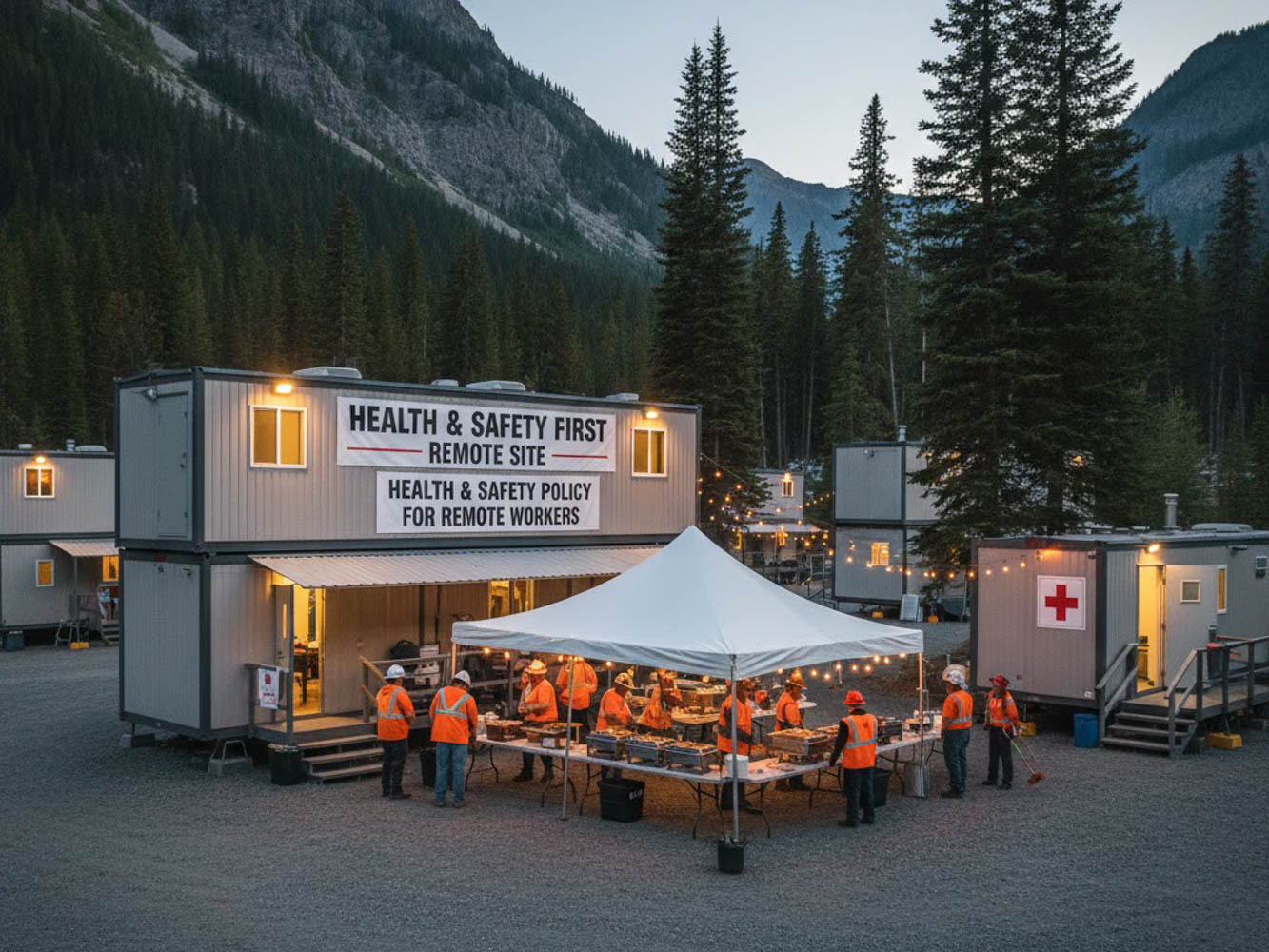
In Canada’s vast and rugged resource sectors, remote health and safety is a cornerstone of operational success and worker wellbeing. Whether supporting mining operations in Northern Ontario, oil sands development near Fort McMurray, or diamond mine camps in the Northwest Territories, these camps must meet rigorous standards to make certain that workers are protected, facilities are maintained, and services are delivered with precision and care.
Remote camps operate far from urban centers, often in extreme climates and under intense logistical constraints, which introduces a unique set of challenges:
In these settings, the margin for error is slim. A lapse in sanitation or safety protocols can quickly escalate into a health crisis or operational shutdown. That’s why a robust health and safety policy for remote workers is essential—not only to meet compliance standards but to protect lives and livelihoods.
Before any remote operation can succeed, health and safety must be more than a checklist—they must be part of the culture. In isolated environments, where resources are limited and risks are amplified, clear standards are essential to protect workers and maintain operational continuity. The following essentials outline the core practices that help remote sites stay safe, responsive, and resilient.
A robust health and safety policy for remote workers is the foundation of any successful camp operation. These policies must address the unique risks of isolation, extreme weather, and limited access to emergency services. Unlike urban workplaces, remote camps require proactive planning for medical emergencies, mental health support, and hazard mitigation.
To make these policies effective, certain elements should be highlighted:
By weaving these measures into daily operations, camps can create a safer, more resilient environment where workers feel supported despite the challenges of remote settings.
The physical environment plays a critical role in maintaining health and safety. Camps must be designed to withstand harsh climates while maintaining comfort and hygiene. Remote facility health and safety standards mandate proper ventilation, fire suppression systems, and safe drinking water.
To prevent environmental hazards and protect both workers and surrounding ecosystems, camps must also implement:
Routine remote camp facility maintenance upholds infrastructure safety and functionality. This includes inspections of:
Effective preventive maintenance not only reduces downtime but also minimizes risks associated with equipment failure or environmental exposure.
Access to remote medical support is non-negotiable. Camps must be equipped with on-site medical personnel or telehealth capabilities, especially in regions where hospitals are hours away. Emergency response plans should be rehearsed regularly, with clear roles assigned to staff and contingency plans for:
In addition to physical health, remote health and safety programs should also address mental wellbeing. Providing access to the following helps foster resilience and reduce burnout among workers in challenging remote environments:
Cleanliness is a critical component of health and safety in field camps, especially in high-occupancy environments. Key practices include:
Professional remote housekeeping and remote facility janitorial services contribute to both hygiene and morale. Workers are more likely to feel safe and respected in environments that are well-maintained and free of clutter. These services should be staffed by trained personnel who understand the health implications of their work and follow strict sanitation guidelines.
Proper nutrition is essential for maintaining energy, focus, and immune health in remote settings. Remote site food catering services must adhere to food safety regulations and offer balanced, culturally appropriate meals. Menus should:
In larger facilities, remote camp catering operations may include:
These services must be coordinated with health and safety teams to maintain compliance with hygiene standards and to respond quickly to any foodborne illness concerns.
Strong leadership is vital to maintaining remote camp health and safety. Remote site camp management teams are responsible for enforcing safety policies, coordinating logistics, and fostering a culture of accountability. They must be trained in:
Daily safety briefings, incident reporting systems, and ongoing training programs help reinforce safe practices and empower workers to take ownership of their wellbeing. Managers should also encourage feedback and adapt policies based on worker input and evolving risks.
The rise of hybrid and off-site roles has expanded the definition of workplace safety. For Canadian remote work camps, health and safety planning must go beyond traditional measures to include:
While some employees may work from satellite offices or home, their inclusion in safety planning promotes consistency and equity across the organization.
At the same time, remote camp health and safety protocols must be tailored to the specific activities and hazards of each site. Whether operating a mining camp in Northern Ontario, an oil sands site in Alberta, a forestry operation in British Columbia, or a research station in the Arctic, risk assessments should be localized and updated regularly to reflect Canada’s diverse climates, geographies, and regulatory requirements.
To ensure alignment across departments and jurisdictions, organizations must integrate health and safety remote working policies into broader operational frameworks. This includes compliance with:
Audits, certifications, and third-party inspections help validate the effectiveness of safety programs and identify areas for improvement. Ensuring transparency and accountability strengthens trust and reinforces a culture of safety across the organization.
Canadian work camps face unique challenges that demand tailored solutions. From infrastructure and medical support to food services and mental health, every aspect of camp life must be designed with safety in mind. By investing in strong leadership, comprehensive policies, and responsive services, organizations can foster environments where workers thrive—even in the most isolated corners of the country. Ultimately, the success of any operation depends on its commitment to upholding strict remote health and safety standards.
Explore our remote health and safety solutions designed for Canada’s toughest environments. From proactive risk assessments to tailored camp support, DOMCO helps you safeguard your workforce and strengthen compliance. Connect with our team today to discover how we can partner with you to build safer, more resilient operations.
Maintaining a productive workforce in isolated accommodations requires more than comfortable lodging and quality amenities. In the middle of daily
Remote operations in Canada take place in challenging environments where multiple systems must work together smoothly — including accommodation, logistics,
Industrial operations in Canada—whether in oil sands, mining regions, forestry zones, or large-scale construction corridors—depend on one critical but often
When organizations evaluate large-scale industrial work in places like Northern Alberta, British Columbia, or Newfoundland and Labrador, a remote site

Across Canada’s resource-driven economy, workforce accommodations play a critical role in keeping major projects running smoothly. In sectors such as
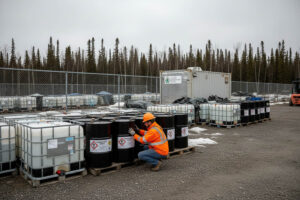
Remote operations in Canada involve multiple integrated systems working together — including accommodation, logistics, safety, and environmental controls. In sectors
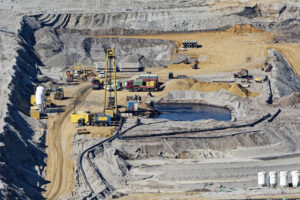
Mining in Canada isn’t just about extracting resources — it’s about sustaining teams through remote camp services in Canadian mining
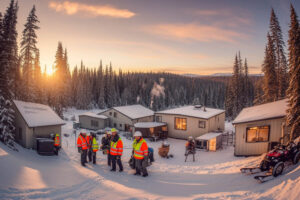
When comparing modular camps vs remote camps, many companies in Canada assume the terms mean the same thing. While the

In places like Fort McMurray’s oil sands or Kitimat’s LNG projects, remote catering companies play a vital role in supporting
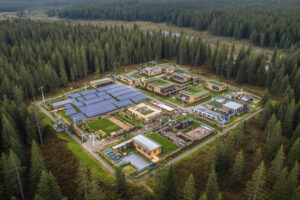
As industrial activity expands into environmentally sensitive regions, sustainable remote camp services Canada are becoming essential to balancing operational efficiency
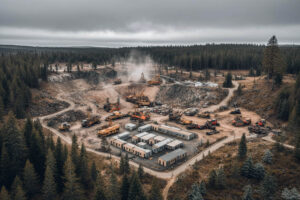
Across vast and isolated regions, remote camp services in Canada play a crucial role in enabling industries to operate efficiently
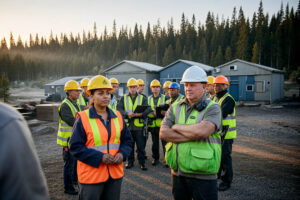
Effective remote site management is crucial for organizations operating in Canada’s isolated work environments, such as oil sands sites in
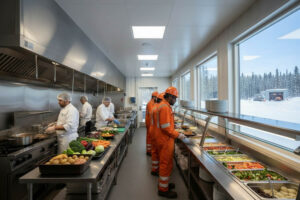
Remote site food catering services play a crucial role in sustaining Canada’s diverse industries, from mining and oil to forestry
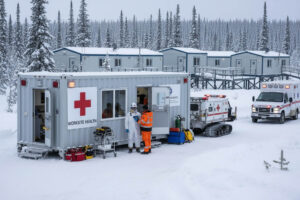
Remote site medical support plays a critical role in safeguarding the health and safety of employees working in Canada’s most
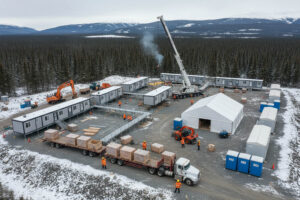
Mobilizing operations in challenging environments requires precision, planning, and expertise. That’s why remote camp mobilization is at the heart of