
7 Benefits of Professional Remote Housekeeping for Camp Operations
Maintaining a productive workforce in isolated accommodations requires more than comfortable lodging and quality amenities. In the middle of daily
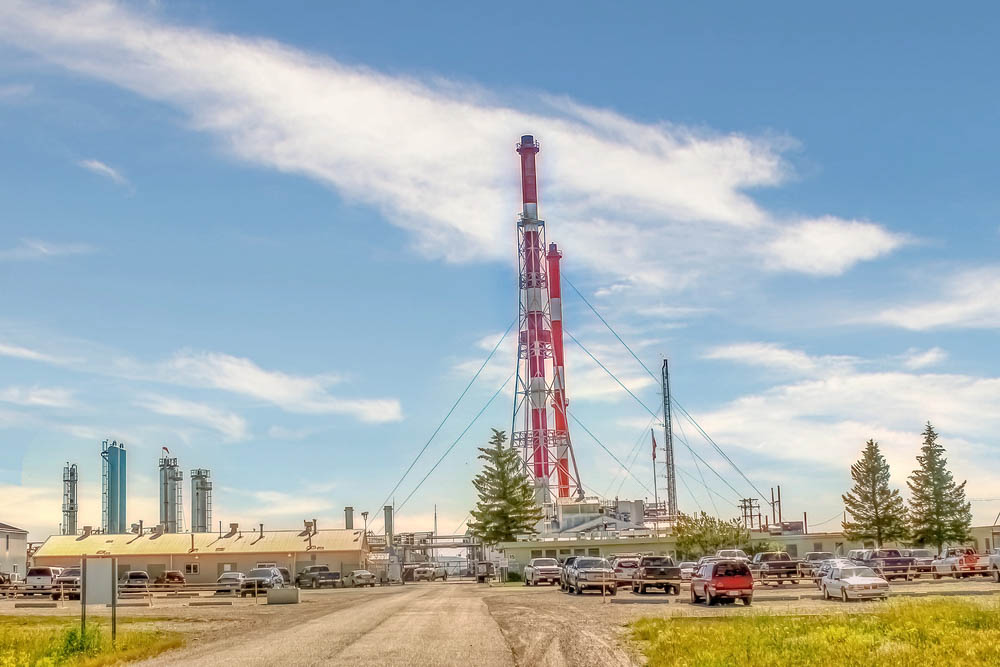
A remote site monitoring system is essential for managing the complex risks associated with Canada’s vast and isolated industrial operations. From the oil sands of Alberta to remote mining camps and northern gas installations, these sites are critical to the country’s economy—but their remoteness also makes them vulnerable to a range of environmental, operational, and security threats. Harsh weather, limited access, and minimal onsite staff amplify the consequences of any disruption, making proactive oversight a necessity rather than a luxury.
With growing pressure on safety, sustainability, and efficiency, companies are turning to intelligent monitoring technologies to ensure continuity, compliance, and performance in even the most inaccessible locations.
Canada’s remote regions, particularly in the north and west, face extreme weather fluctuations—intense snowstorms, sub-zero temperatures, floods, and high winds. These conditions can:
For example, a pipeline rupture caused by frozen valves can lead to environmental damage, production halts, and legal ramifications. Without real-time oversight, the issue may go unnoticed for hours or even days.
Remote site monitoring systems allow teams to track environmental data—like temperature, precipitation, and wind speed—continuously. Alerts can be triggered if pre-set thresholds are exceeded, enabling immediate remote responses. These systems also support remote scheduled tasks management, ensuring critical maintenance is not delayed due to adverse weather.
Remote industrial sites are often left unmanned for long periods, making them attractive targets for vandalism, theft, and even sabotage. Fuel, copper wiring, and specialized equipment have high black-market value and are frequently stolen from isolated facilities.
Security at these sites is further complicated by limited road access, poor lighting, and lack of real-time visibility. A physical security presence is not always feasible due to costs and logistics.
Fortunately, advances in remote facility security technology have dramatically improved protection. A modern remote site monitoring system offers integrated security features that allow for continuous, proactive oversight, including:
These technologies allow a remote site manager to maintain full situational awareness and respond to threats quickly—without needing physical personnel on site.
The complexity of remote sites—especially in sectors like energy, mining, and utilities—means that even minor equipment malfunctions can escalate into major operational shutdowns. The remoteness makes troubleshooting difficult, especially if expert technicians need to be flown in.
Common operational issues include:
Remote site management platforms incorporate predictive analytics and IoT-based monitoring. These systems provide real-time updates on asset health and operational status. By integrating condition-based monitoring, operators can perform preventive maintenance instead of reactive interventions. This capability is especially crucial for oil and gas facility maintenance, where downtime translates to substantial revenue losses and safety risks.
Working in remote locations brings unique safety challenges. Isolation increases risks in the event of:
Limited access to medical or emergency services makes prompt response essential. Traditional methods of communication—such as radios—may be insufficient in certain terrains or under extreme conditions.
Modern remote facility operations now utilize advanced personnel tracking and emergency alert systems. These systems integrate with wearable tech (e.g., smart helmets or badges), enabling live tracking of workers and immediate dispatch in emergencies. In the case of a fall or exposure to hazardous gas, alerts are sent instantly to the central team, initiating rapid response protocols.
Integrating gas remote site services into monitoring platforms allows specialized response teams to be mobilized quickly and with the necessary resources, significantly reducing incident impact.
Remote Canadian sites face consistent logistical hurdles. These include the transport of fuel, food, water, equipment, and personnel—often across hundreds of kilometers of rugged terrain or by air.
Mismanagement in logistics can cause:
Monitoring systems are used for everything from facility energy management to workforce tracking. Integrated dashboards allow remote camp management teams to view real-time consumption, coordinate deliveries, and forecast supply needs accurately.
For example, a dashboard might highlight increased fuel use, prompting earlier refueling logistics to be triggered automatically. Similarly, oil food catering services can be scheduled more efficiently by tracking staff numbers and shifts.
Technology now serves as the backbone of remote site management in Canada. Advanced platforms compile data from thousands of sensors across vast geographic areas, offering facility operators instant insight into everything from atmospheric changes to generator health. These tools allow quick decision-making based on real-time analytics, reducing risk across all categories.
A well-implemented remote site monitoring system becomes a command center for the entire operation. These systems streamline multiple components, including:
They also play a key role in facility management in oil and gas industry, which increasingly prioritizes automation, digitalization, and sustainability. For instance, monitoring systems contribute to facility management energy efficiency by identifying energy-intensive equipment and optimizing usage schedules. These platforms help reduce operational emissions and costs, supporting Canada’s broader climate goals.
The integration of oil camp mobilization into monitoring systems ensures that setup and decommissioning activities are efficiently tracked, properly resourced, and compliant with local and federal regulations.
Canada’s remote industrial operations are vital to national economic interests, but they come with a unique set of risks. From weather and security to logistics and worker safety, these challenges demand more than traditional management methods. The rise of advanced technologies has transformed how companies operate in such isolated environments, enhancing oversight, responsiveness, and efficiency.
Whether managing an isolated oil rig or a remote gas processing facility, today’s operators leverage digital tools for everything from oil camp management to facility building maintenance, ensuring their investments remain productive, compliant, and secure.
Remote Canadian landscapes may be unforgiving, but with the right tools in place, they can also be highly productive. By embracing the full capabilities of a remote site monitoring system, companies transform risk into opportunity—and their remote facilities into models of innovation and resilience.
Looking to strengthen your remote operations? Contact the Domco Group today and discover how we can help you safeguard assets, boost efficiency, and stay ahead of risks.
Maintaining a productive workforce in isolated accommodations requires more than comfortable lodging and quality amenities. In the middle of daily
Remote operations in Canada take place in challenging environments where multiple systems must work together smoothly — including accommodation, logistics,
Industrial operations in Canada—whether in oil sands, mining regions, forestry zones, or large-scale construction corridors—depend on one critical but often
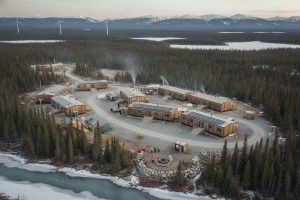
When organizations evaluate large-scale industrial work in places like Northern Alberta, British Columbia, or Newfoundland and Labrador, a remote site

Across Canada’s resource-driven economy, workforce accommodations play a critical role in keeping major projects running smoothly. In sectors such as
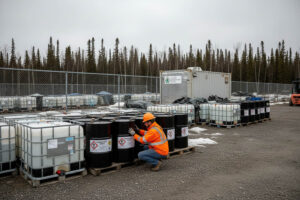
Remote operations in Canada involve multiple integrated systems working together — including accommodation, logistics, safety, and environmental controls. In sectors
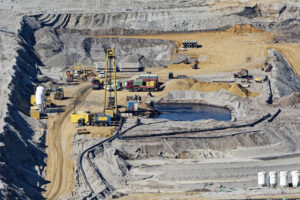
Mining in Canada isn’t just about extracting resources — it’s about sustaining teams through remote camp services in Canadian mining
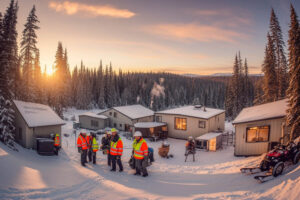
When comparing modular camps vs remote camps, many companies in Canada assume the terms mean the same thing. While the

In places like Fort McMurray’s oil sands or Kitimat’s LNG projects, remote catering companies play a vital role in supporting
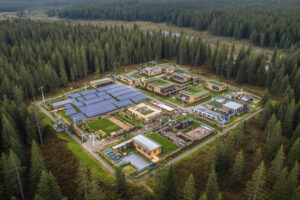
As industrial activity expands into environmentally sensitive regions, sustainable remote camp services Canada are becoming essential to balancing operational efficiency
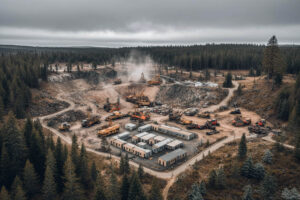
Across vast and isolated regions, remote camp services in Canada play a crucial role in enabling industries to operate efficiently
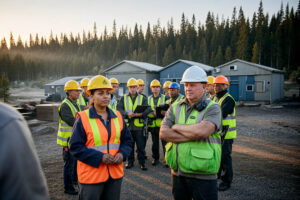
Effective remote site management is crucial for organizations operating in Canada’s isolated work environments, such as oil sands sites in
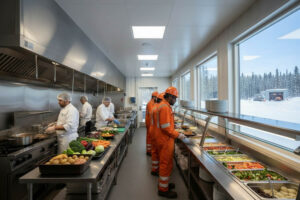
Remote site food catering services play a crucial role in sustaining Canada’s diverse industries, from mining and oil to forestry
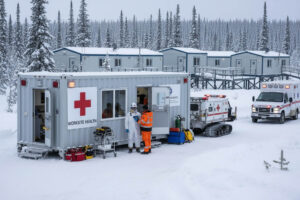
Remote site medical support plays a critical role in safeguarding the health and safety of employees working in Canada’s most
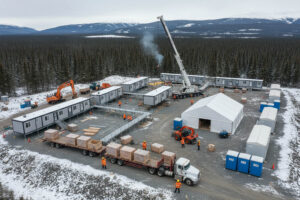
Mobilizing operations in challenging environments requires precision, planning, and expertise. That’s why remote camp mobilization is at the heart of