

7 Benefits of Professional Remote Housekeeping for Camp Operations
Maintaining a productive workforce in isolated accommodations requires more than comfortable lodging and quality amenities. In the middle of daily

In Canada’s industrial sectors, such as mining, oil and gas, and construction, remote camp facility management plays a crucial role in ensuring smooth operations and workforce well-being. These off-site facilities provide accommodation and essential services for workers stationed in isolated regions, often for extended periods.
With an increasingly diverse workforce, embracing diversity and inclusion in remote camp facility administration has become a key factor in ensuring employee satisfaction, productivity, and retention. A well-managed worksite fosters a culture of respect, equality, and collaboration, contributing to the overall success of industrial projects.
At its core, worksite facility management in field-based operations involves operating and maintaining self-sufficient accommodation that provide housing and essential services to personnel. These services include:
Whether it’s a mining camp in northern Ontario or a hydro project in British Columbia, these remote camps must function like small communities. Remote camp managers and camp management companies are responsible for keeping everything running smoothly—and that’s no small task.
Remote site camp management involves overseeing accommodation, food services, security, recreational spaces, and health provisions. A diverse workforce with varied backgrounds, ethnicities, and skill sets brings fresh perspectives, innovative problem-solving, and improved team dynamics to these off-site operations.
Prioritizing diversity and inclusion offer multiple benefits, including:
Many remote site facilities operate on or near Indigenous lands, making engagement with local communities essential for ethical and sustainable facility management. Beyond legal compliance, building strong partnerships with Indigenous groups fosters economic opportunities, cultural preservation, and environmental stewardship. Companies can support Indigenous inclusion by prioritizing fair employment practices, integrating traditional knowledge, and fostering respectful collaboration.
Key strategies for Indigenous engagement include:
By embracing these practices, remote site facility management fosters meaningful relationships with Indigenous communities, benefiting both local stakeholders and long-term operational success.
Despite the benefits, maintaining isolated worksite facilities presents unique challenges when implementing diversity and inclusion policies.
1. Geographic and Social Isolation
Workers in remote camp facilities are often stationed far from urban centers, limiting access to support networks and cultural communities. Without proactive management, social isolation can hinder inclusivity efforts.
2. Cultural Differences and Language Barriers
A diverse workforce means varied cultural norms, dietary preferences, and communication styles. Remote facility administration must ensure all employees feel heard and understood.
3. Limited Resources and Infrastructure
Some off-site facilities lack resources for specialized inclusion programs, requiring creative approaches to accommodate diverse employee needs.
4. Resistance to Change
Traditional industry settings may resist adopting diversity and inclusion strategies, making leadership advocacy crucial in shifting workplace culture.

Implementing diversity-focused strategies in remote facility camp management requires intentional planning and leadership commitment. Here are effective practices for fostering inclusion in isolated worksite operations:
1. Inclusive Recruitment and Hiring Practices
Ensuring diversity starts with fair recruitment policies in remote facility services. Strategies include:
2. Cultural Awareness and Sensitivity Training
Providing ongoing cultural sensitivity training in off-site facility management helps workers respect different traditions, beliefs, and identities. Remote camp managers should facilitate sessions covering:
3. Providing Culturally Appropriate Services
Remote facility camp services must reflect the diversity of their workforce. Companies can:
4. Addressing Workplace Harassment and Discrimination
A strong anti-harassment policy is essential for maintaining a safe environment in off-grid work facilities. This includes:
5. Supporting Mental Health and Well-being
Isolation can impact mental health in remote camp facility maintenance. Inclusion-focused programs should address emotional and psychological needs through:
6. Encouraging Leadership Diversity
Promoting diverse leadership within remote site facility administration strengthens inclusivity from the top down. Companies should:
As industries grow and workforce demographics evolve, the focus on diversity and inclusion in off-site facility operations will continue to strengthen. Leading camp management companies must proactively adapt, ensuring all employees thrive in inclusive work environments.
As expectations rise from workers, governments, and Indigenous stakeholders, companies that embrace inclusion will be more adaptable, resilient, and trusted.
Expect to see:
Adopting strategies that prioritize diversity enhances worker satisfaction, improves productivity, and strengthens company reputation. Forward-thinking organizations will continue developing innovative inclusion programs to optimize living conditions.
Diversity and inclusion are no longer just buzzwords—they are foundational to success in Canada’s remote facility administration and operations. From hiring practices to camp layouts, from leadership development to cultural integration, inclusive approaches deliver real results.
Fostering an inclusive culture is vital for worker success, operational efficiency, and the long-term sustainability of off-grid work facilities. By addressing challenges and implementing diversity-driven strategies, remote camp managers and camp management companies can create equitable and welcoming workplaces for employees. Through intentional effort, Canada’s workforce can set a strong example in inclusivity, ensuring every worker—regardless of background—feels valued and supported, ultimately strengthening remote camp facility management.
Maintaining a productive workforce in isolated accommodations requires more than comfortable lodging and quality amenities. In the middle of daily
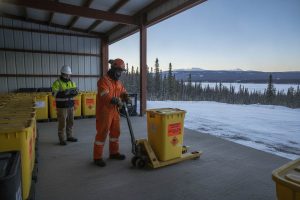
Remote operations in Canada take place in challenging environments where multiple systems must work together smoothly — including accommodation, logistics,
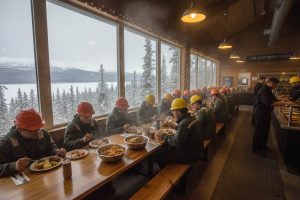
Industrial operations in Canada—whether in oil sands, mining regions, forestry zones, or large-scale construction corridors—depend on one critical but often
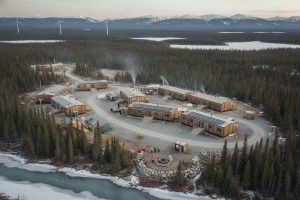
When organizations evaluate large-scale industrial work in places like Northern Alberta, British Columbia, or Newfoundland and Labrador, a remote site

Across Canada’s resource-driven economy, workforce accommodations play a critical role in keeping major projects running smoothly. In sectors such as
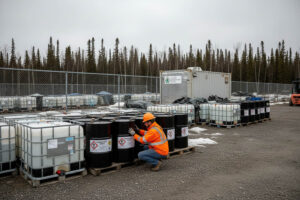
Remote operations in Canada involve multiple integrated systems working together — including accommodation, logistics, safety, and environmental controls. In sectors
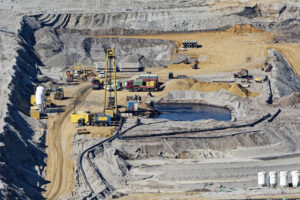
Mining in Canada isn’t just about extracting resources — it’s about sustaining teams through remote camp services in Canadian mining
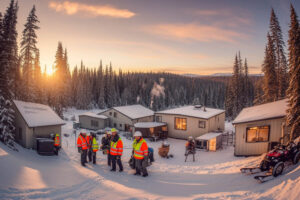
When comparing modular camps vs remote camps, many companies in Canada assume the terms mean the same thing. While the

In places like Fort McMurray’s oil sands or Kitimat’s LNG projects, remote catering companies play a vital role in supporting
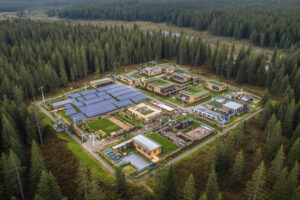
As industrial activity expands into environmentally sensitive regions, sustainable remote camp services Canada are becoming essential to balancing operational efficiency
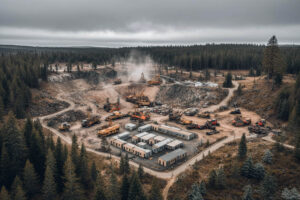
Across vast and isolated regions, remote camp services in Canada play a crucial role in enabling industries to operate efficiently
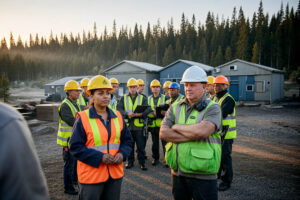
Effective remote site management is crucial for organizations operating in Canada’s isolated work environments, such as oil sands sites in
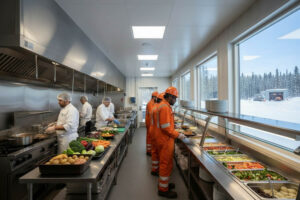
Remote site food catering services play a crucial role in sustaining Canada’s diverse industries, from mining and oil to forestry
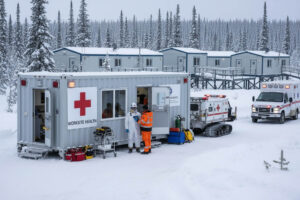
Remote site medical support plays a critical role in safeguarding the health and safety of employees working in Canada’s most
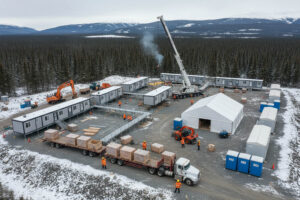
Mobilizing operations in challenging environments requires precision, planning, and expertise. That’s why remote camp mobilization is at the heart of