Remote accommodation services have become a transformative force in enhancing workforce comfort and productivity across Canada’s most isolated and demanding work environments. From the arctic edges of Northern Territories to the resource-rich backcountry of British Columbia, organizations are increasingly turning to innovative housing strategies to support their personnel operating in distant locales.
The Canadian Landscape of Isolation
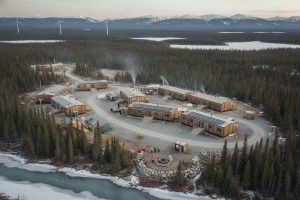
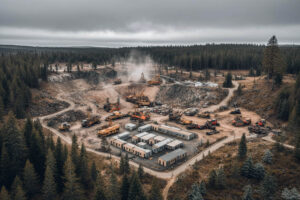
Canada’s rugged geography—from the Yukon to Newfoundland—offers breathtaking wilderness and vast resource reserves, but it also poses formidable logistical hurdles for industries operating in remote environments. In regions like the Northwest Territories, Nunavut, and Northern Quebec, projects are hampered by extreme weather, limited road access, and lengthy supply chains.
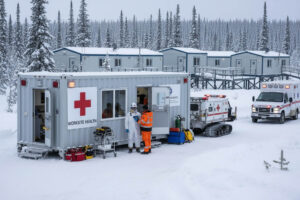
Infrastructure is scarce, and traditional accommodations are often nonexistent, making workforce housing one of the most critical—and complex—components of any remote operation. This is where remote accommodation services step in, providing functional, comfortable shelter tailored to the needs of forestry crews in British Columbia or researchers studying permafrost near Churchill, Manitoba.
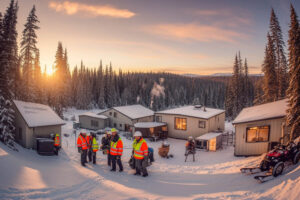
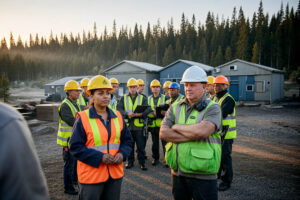
These services offer more than temporary shelter—they create livable environments that support safety, mental well-being, and productivity for workers who may be stationed on-site for weeks at a time. As comfort and performance are deeply intertwined, investing in quality accommodations boosts retention and morale.
Traditional systems for remote camp administration and room management relied heavily on manual oversight, often leading to inefficiencies, delays, and human error. Modern remote accommodation services eliminate these issues through integrated platforms that centralize operations, automate room bookings, and enable real-time visibility—ultimately paving the way for smarter, safer, and more sustainable living conditions in Canada’s most isolated regions.
Enhancing Comfort Through Technological Integration
Modern remote accommodation services rely on smart infrastructure to elevate comfort and efficiency in isolated environments. Integrated systems—such as room energy management systems and guest room energy management tools—go beyond automation: they directly improve living conditions while supporting sustainability and reducing operational costs.
A well-integrated room energy management system can reduce energy consumption by up to 40%. These innovations also support environmental goals while lowering operating costs. Whether it’s a gas remote room management camp or an exploration base in the Rockies, smart automation delivers consistency and reliability—even in the most demanding field conditions.
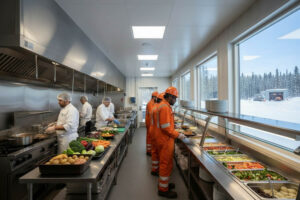
Comfort in remote camps isn’t just about warm beds and hot meals—though those are essential. It also means:
- Stable indoor temperatures
- Quiet, private quarters
- Consistent internet access
- Well-lit and ventilated spaces
Smart climate control systems maintain consistent temperatures, even when outdoor conditions swing wildly. Adaptive lighting can be programmed to mimic natural daylight cycles, helping regulate circadian rhythms and improve sleep quality.
These enhancements are critical in regions like:
- Northwest Territories – where diamond mine remote room management supports crews working through intense cold
- Northern Quebec – where gold mine remote room management operations require long-term, comfortable housing for seasonal teams
With the help of intelligent automation, remote accommodation is no longer about just surviving the elements—it’s about providing a stable, comfortable, and dignified experience for every worker.
Sustainability and Operational Efficiency
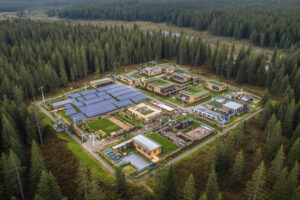
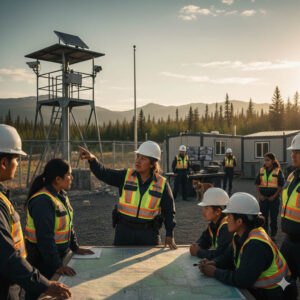
Environmental stewardship is central to the future of remote accommodations. Solar panels, geothermal heating, water recycling systems, and energy room management tools are increasingly common in camps across Canada’s wilderness.
Smart infrastructure helps operators:
- Track energy and utility usage
- Adjust lighting and temperature based on occupancy
- Automate shutoffs in unoccupied spaces
- Schedule preventative maintenance
Whether at a research remote room management station or a forestry remote room management site, these technologies reduce fuel consumption, lower costs, and align with Canada’s industrial emissions goals—while keeping operations running smoothly in even the most remote regions.

Industry-Specific Housing Needs
Remote camp room management is increasingly being customized to meet the needs of specific industries. Each sector brings its own set of requirements:
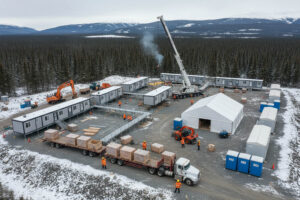
- Construction Remote Room Management – Units must be rapidly deployable and highly modular. Crews often move from site to site as projects evolve.
- Exploration Remote Room Management – Sites serve geologists and surveyors who rely on temporary housing with mobile power and water sources.
- Forestry Remote Room Management – Setups require resistance to moisture and wildlife interference. They often include fire-retardant materials and off-grid capabilities.
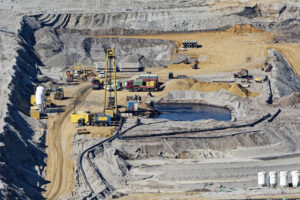
- Diamond Mine Remote Room Management – Facilities integrate blast-proof walls and vibration-resistant structures.
- Gas Remote Room Management – Environments include sensor-triggered shutoffs and advanced air filtration systems to meet strict safety protocols.
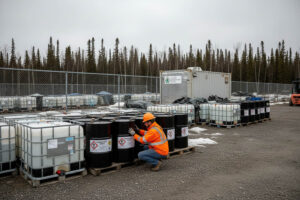
- Oil Room Management – Setups incorporate spill containment zones and reinforced flooring to protect against hazardous leaks.
- Mine Remote Room Management – Comprehensive decontamination areas are crucial to reduce the transport of harmful particles.
- Research Remote Room Management – Labs, specimen storage, and controlled environment modules are built adjacent to living quarters to maintain productivity.
Each of these cases illustrates how accommodation services adapt to unique field conditions, enhancing efficiency and safety.
Supporting Worker Retention and Satisfaction
Canada’s industries are facing persistent labor shortages, especially in resource-intensive and geographically isolated sectors. To retain skilled workers, employers must offer more than just competitive wages—they must create a living experience that fosters well-being, connection, and comfort.
Modular camps now include:
- Private rooms with climate control
- Common spaces for socializing
- High-speed internet and entertainment
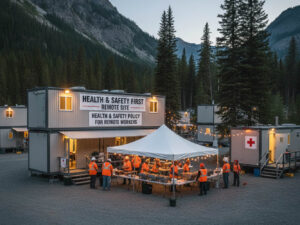
- Wellness services, including mental health support
In places like:
- Saskatchewan, where mine remote room management supports long-haul crews
- Ontario, where exploration remote room management aids geologists and surveyors
…these accommodations are essential to maintaining morale, minimizing burnout, and reducing turnover.
Daily conveniences reconnect employees to their home lives, providing relief from isolation fatigue. These touches—though small—make a large difference. In one case study from northern Saskatchewan, a mining operation reported a 25% drop in turnover after upgrading its camp facilities.
From mine sites to Arctic research zones, remote accommodation services are transforming hardship into hospitality.
Looking Ahead
Canada’s evolving industries are shaping a new vision for remote living, where innovation meets humanity. In the coming years, we’ll see smarter infrastructure: AI-driven management systems, modular housing that adapts to climate, and wellness-focused design integrated with automation.
But it’s not just about technology—it’s about the people who make these operations work. As labor shortages continue, retaining skilled workers will hinge on creating livable, welcoming environments. High-speed connectivity, private rooms, and mental health support are no longer perks—they’re essential features of a remote work camp.
From diamond mines in Saskatchewan to exploration teams in Northern Ontario, the goal is clear: to transform isolation into opportunity, and discomfort into comfort. Ultimately, the industries powering Canada’s far-off frontiers are achieving this through the evolution of remote accomodation services.
Ready to upgrade your remote workforce experience? Discover how our remote accommodation solutions can support your people, projects, and performance—no matter how far off the grid. Contact the Domco Group today to get started.