

7 Benefits of Professional Remote Housekeeping for Camp Operations
Maintaining a productive workforce in isolated accommodations requires more than comfortable lodging and quality amenities. In the middle of daily
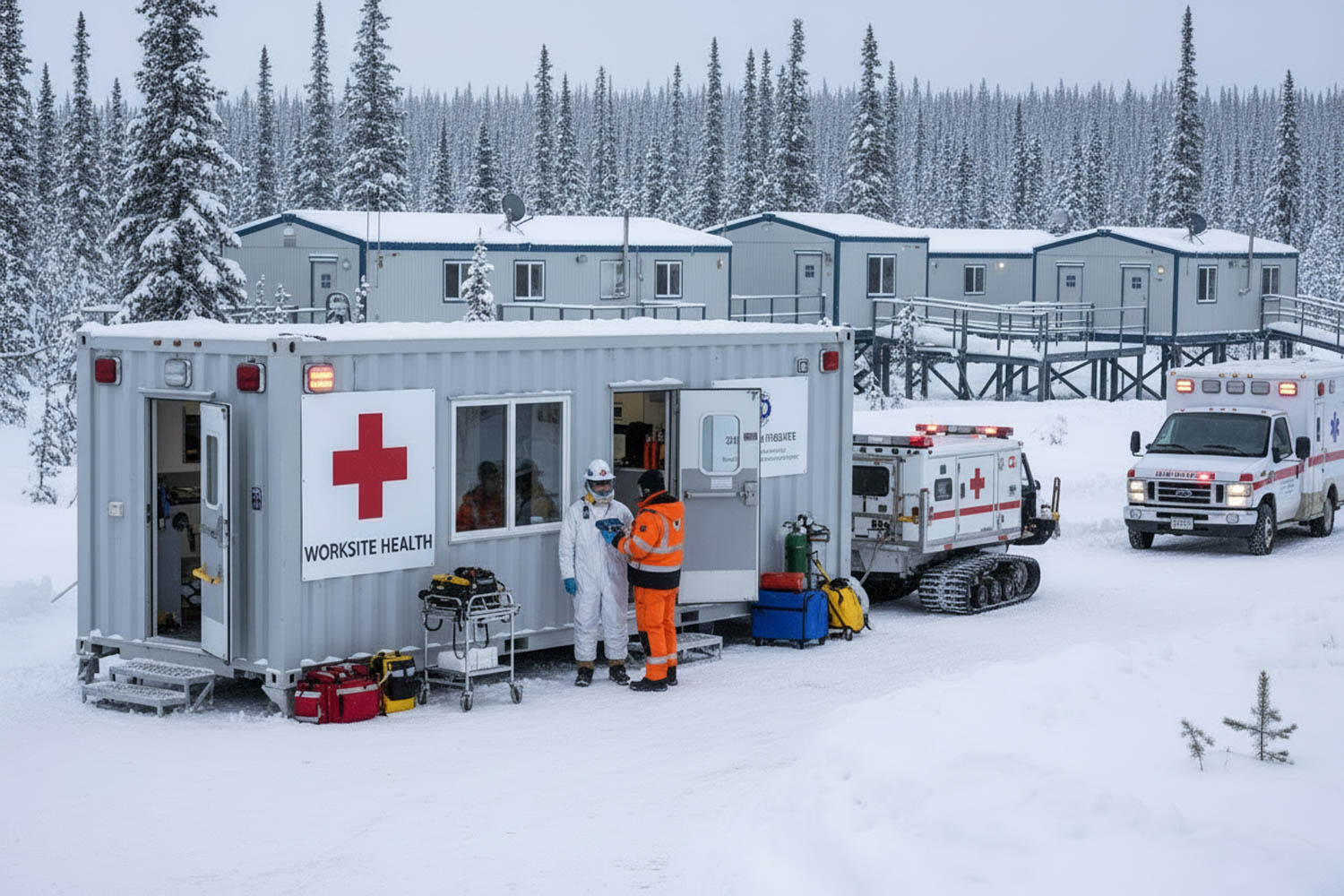
Remote site medical support plays a critical role in safeguarding the health and safety of employees working in Canada’s most isolated industrial environments. From mining operations in the far north to oilfield camps in rugged terrain, ensuring access to professional healthcare services is not just a regulatory requirement—it is a moral responsibility and a cornerstone of operational success.
As a trusted provider of integrated worksite solutions—including food services, housekeeping, janitorial, camp management, mobilization, and facility maintenance—we understand that health and safety are inseparable from productivity and workforce morale.
Understanding the safety requirements of isolated industrial environments begins with recognizing the unique risks associated with operating far from urban infrastructure.
Workers in industries such as resource development, construction, and environmental monitoring often operate hundreds of kilometres away from hospitals and healthcare facilities. Harsh weather conditions, physically demanding tasks, and complex machinery can increase the likelihood of injury or illness. When professional care is not immediately available, even minor incidents can escalate quickly.
Organizations therefore rely on specialized worksite medical support services to bridge the gap between industrial operations and accessible healthcare. These services ensure trained professionals, proper equipment, and clear emergency procedures are available directly at operational locations.
In many cases, integrated workforce service providers also coordinate industrial site medical services as part of broader operational logistics. When accommodation management, catering, sanitation, and operational oversight are handled together, safety programs become more consistent and efficient.
Key reasons these services are critical include:
Strong health infrastructure directly improves worker safety and operational reliability across isolated industrial projects. When health services are integrated into workforce operations, organizations can prevent incidents, respond quickly to emergencies, and support long-term employee wellbeing.
Key safety advantages include:
These safety benefits demonstrate the benefits of on-site medical teams for remote workforce operations, particularly when integrated into broader workplace support systems.
Effective safety programs require strong remote site emergency preparedness. In isolated locations, organizations must plan for scenarios ranging from workplace injuries to environmental emergencies and extreme weather events.
This is where specialized emergency medical response for remote sites becomes essential. Teams stationed at industrial operations are trained to handle a variety of incidents until advanced care becomes available.
Typical emergency readiness measures include:
In industries such as resource extraction, where heavy machinery and demanding environments are common, reliable medical support for mining and oilfield camps is often considered a core operational requirement rather than an optional service.
While emergency response is critical, long-term health programs are equally important for workforce wellbeing. Effective safety strategies include preventative care, monitoring programs, and health education.
Many industrial operations therefore integrate occupational health services for remote workers to address common challenges associated with physically demanding environments.
These programs often focus on:
Organizations offering remote medical services Canada often combine these programs with other workforce support systems to create safer living and working environments.
Companies operating in isolated regions increasingly recognize the value of integrated services that address both worker wellbeing and operational efficiency.
Experienced providers that manage workforce accommodations and logistics can help organizations maintain strong remote camp health and safety services by aligning health programs with daily operations.
For example, when a single provider manages food services, housekeeping, janitorial operations, facility maintenance, and workforce logistics, it becomes easier to maintain consistent safety standards.
This integrated approach helps organizations:
By combining operational expertise with comprehensive health and safety solutions for isolated worksites in Canada, service providers create environments where workers can perform their jobs safely and comfortably.
Supporting workforce operations in isolated regions requires more than basic logistics. From our experience working with industrial projects in challenging environments, we understand that effective health and safety programs depend on coordinated operational support, reliable infrastructure, and strong safety culture.
Organizations operating in these locations often rely on experienced service providers to ensure that essential workforce services function smoothly while maintaining high safety standards.
These responsibilities may include:
When these operational services are managed in an integrated way, organizations can maintain stronger remote camp health and safety services across their workforce accommodations. Clean living environments, well-maintained facilities, and coordinated logistics all contribute to safer daily operations.
Our experience supporting industrial workforce accommodations has shown that effective safety programs are built on collaboration between operational teams, health professionals, and project leadership. When these systems work together, organizations are better equipped to protect workers and maintain productivity in isolated environments.
In Canada’s isolated worksites, ensuring worker safety and well-being requires more than food services, housekeeping, and facility maintenance—it demands a strong healthcare presence. By integrating remote site medical support into daily operations, companies not only protect their workforce but also secure the long-term success of their projects.
Partner with a trusted leader in remote worksite services who understands that health and safety go hand in hand with productivity. From food services and housekeeping to facility maintenance and comprehensive healthcare solutions, we deliver the support your teams need to thrive in Canada’s most challenging environments.
Schedule a consultation today to learn how our integrated approach to remote site medical support can protect your workforce and strengthen your operations.
Maintaining a productive workforce in isolated accommodations requires more than comfortable lodging and quality amenities. In the middle of daily
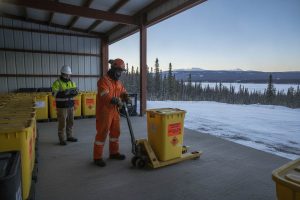
Remote operations in Canada take place in challenging environments where multiple systems must work together smoothly — including accommodation, logistics,
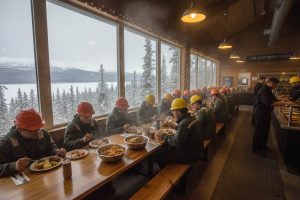
Industrial operations in Canada—whether in oil sands, mining regions, forestry zones, or large-scale construction corridors—depend on one critical but often
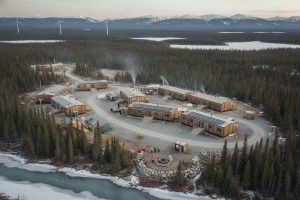
When organizations evaluate large-scale industrial work in places like Northern Alberta, British Columbia, or Newfoundland and Labrador, a remote site

Across Canada’s resource-driven economy, workforce accommodations play a critical role in keeping major projects running smoothly. In sectors such as
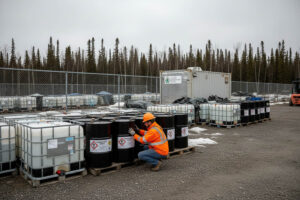
Remote operations in Canada involve multiple integrated systems working together — including accommodation, logistics, safety, and environmental controls. In sectors
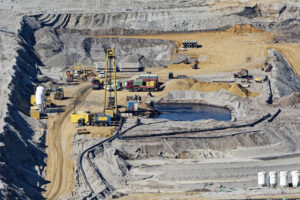
Mining in Canada isn’t just about extracting resources — it’s about sustaining teams through remote camp services in Canadian mining
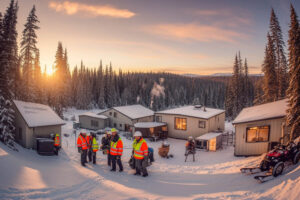
When comparing modular camps vs remote camps, many companies in Canada assume the terms mean the same thing. While the

In places like Fort McMurray’s oil sands or Kitimat’s LNG projects, remote catering companies play a vital role in supporting
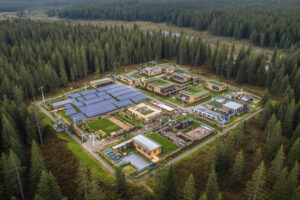
As industrial activity expands into environmentally sensitive regions, sustainable remote camp services Canada are becoming essential to balancing operational efficiency
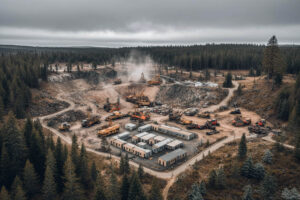
Across vast and isolated regions, remote camp services in Canada play a crucial role in enabling industries to operate efficiently
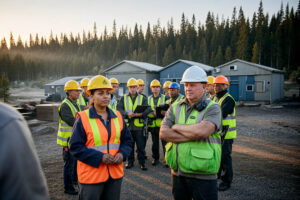
Effective remote site management is crucial for organizations operating in Canada’s isolated work environments, such as oil sands sites in
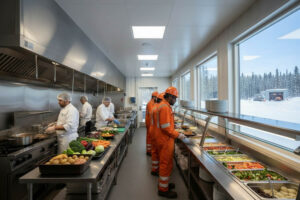
Remote site food catering services play a crucial role in sustaining Canada’s diverse industries, from mining and oil to forestry
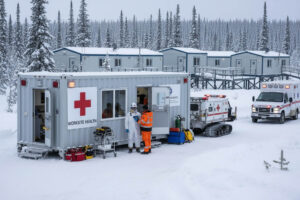
Remote site medical support plays a critical role in safeguarding the health and safety of employees working in Canada’s most
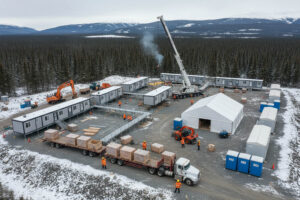
Mobilizing operations in challenging environments requires precision, planning, and expertise. That’s why remote camp mobilization is at the heart of