
Remote Camp Hazardous Waste Checklist Canada: Compliance & Operations Guide
Remote operations in Canada take place in challenging environments where multiple systems must work together smoothly — including accommodation, logistics,
Remote operations in Canada take place in challenging environments where multiple systems must work together smoothly — including accommodation, logistics, safety, environmental controls, and materials management.
Hazardous materials handling is one part of this overall system. It is not a standalone activity, but something that needs to be integrated into everyday site operations.
This remote camp hazardous waste checklist Canada provides a simple overview of the key areas that operators and service providers typically manage to keep materials handling safe, organized, and compliant.
☐ Know what hazardous materials are being produced
☐ Separate hazardous and non-hazardous streams
☐ Keep Safety Data Sheets (SDS) available
☐ Label materials clearly at the point of generation
Good management starts with understanding what is being generated on site. In field operations, this is especially important because multiple activities often take place in the same area.
Example:
Used oil from equipment maintenance, fuel-contaminated absorbents, and empty chemical containers should all be identified and separated as different material types rather than grouped together.
Clear identification supports basic hazardous materials management practices for remote operations and helps prevent mixing incompatible substances.
☐ Use a designated storage area for hazardous materials
☐ Keep containers sealed and labelled
☐ Separate different material types
☐ Protect storage from weather conditions
☐ Inspect storage regularly
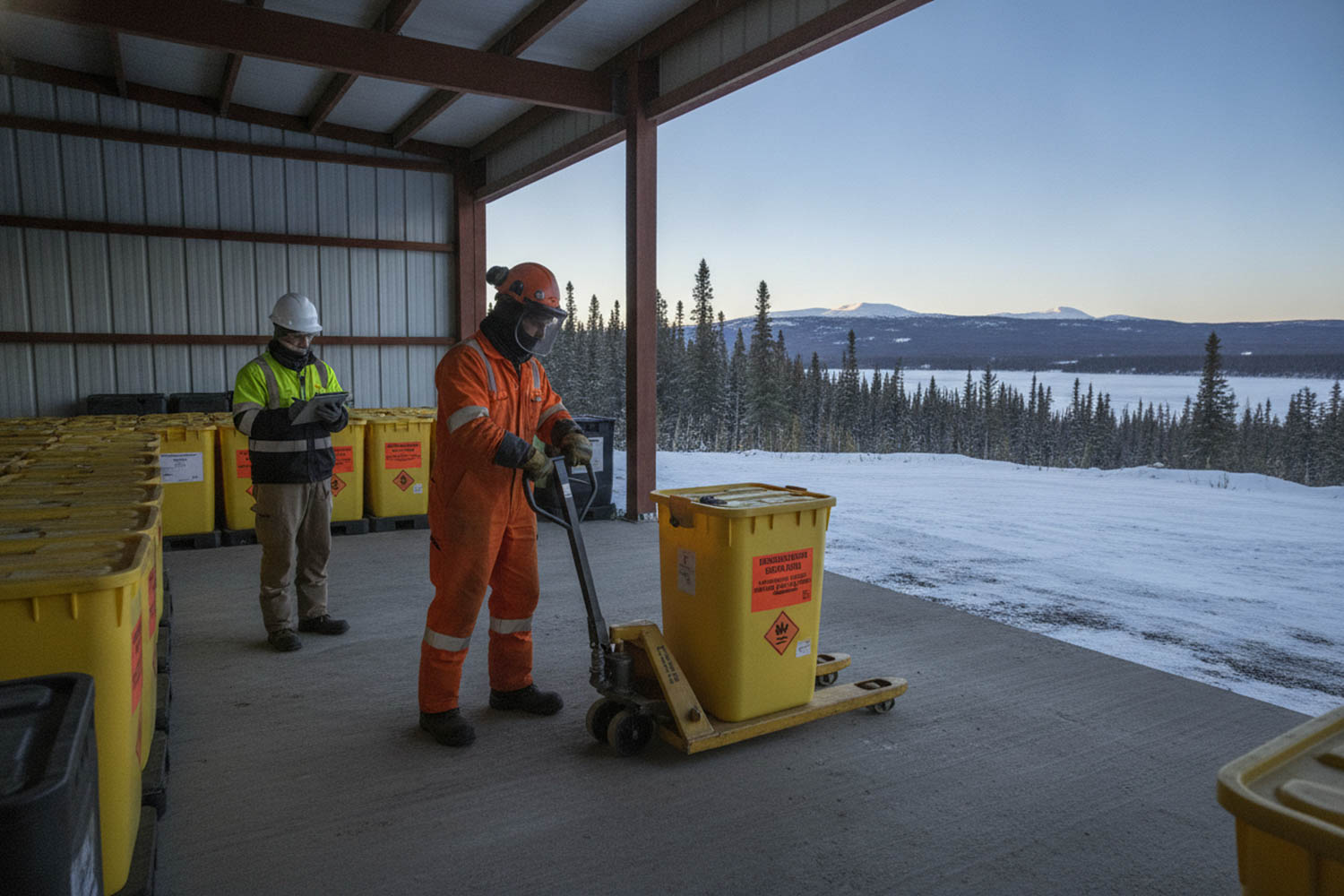
Because field locations are far from disposal facilities, materials are often stored on-site for extended periods. This makes proper storage an important part of overall environmental compliance practices in Canada for remote operations.
The goal is to keep materials secure, contained, and organized until they can be safely removed.
Example:
Fuel drums, waste oil containers, and chemical products should be stored in a designated, bermed area with secondary containment. They should not be placed together in a general equipment yard or exposed directly to snow, rain, or ground conditions.
☐ Arrange collection with licensed carriers
☐ Plan transport based on access routes and weather conditions
☐ Ensure packaging is suitable for transport
☐ Keep records of all movements
Transport is a key step in off-site hazardous material handling procedures. In isolated locations, scheduling is often influenced by weather, distance, and access limitations, so planning ahead is essential.
Example:
Waste shipments may need to be scheduled around seasonal road access or limited barge/helicopter availability depending on site location.
☐ Track what materials are produced and moved
☐ Complete required manifests
☐ Keep disposal confirmations on file
☐ Maintain simple inspection records
Good documentation is part of industrial site compliance in Canada. It helps ensure transparency and makes it easier to demonstrate compliance when required.
Example:
Each shipment should include a manifest or tracking form showing what was removed, when it left site, and where it was delivered.
☐ Have spill kits available on site
☐ Ensure staff know emergency procedures
☐ Store hazardous materials safely
☐ Carry out basic safety checks
In remote environments, response times can be longer, so prevention and basic preparedness are essential parts of any remote operations environmental checklist approach.
Example:
Spill kits should be located near storage areas and fuel handling points so they can be accessed immediately if needed.
☐ Ensure workers understand basic handling procedures
☐ Include guidance in site orientation
☐ Train staff on separation and labeling
☐ Keep instructions simple and visible
Because field teams often rotate, training needs to be straightforward and consistent to support environmental compliance expectations in Canada for site operations.
Example:
New workers should be shown where different material types go during their first site induction, not left to interpret signage alone.
☐ Use qualified waste management partners
☐ Confirm service coverage for remote locations
☐ Align on pickup schedules and requirements
☐ Ensure reporting is clear and consistent
External service providers play an important role in supporting industrial site compliance in Canada, especially when access is limited or seasonal.
Example:
Some locations may require advance booking for pickups due to limited transport windows or weather-dependent access.
☐ Look for ways to reduce material generation
☐ Improve storage and handling processes
☐ Review transport schedules when needed
☐ Learn from incidents or delays
Even small improvements help make hazardous materials management systems for remote operations more efficient and easier to maintain over time.
Example:
Some locations may require advance booking for pickups due to limited transport windows or weather-dependent access.
Hazardous materials management is most effective when it is built into daily routines rather than treated as a separate task.
This remote camp hazardous waste checklist Canada is intended as a practical reference for supervisors and site teams to quickly confirm that key controls are in place.
In field operations across Canada, consistency is often more important than complexity. Even simple checks — such as proper labelling, secure storage, and clear documentation — can significantly reduce risk and improve compliance outcomes.
For many operators, the value of this checklist is not only compliance, but also maintaining consistent standards across different sites, shifts, and project phases.
If you are setting up or managing a remote operation in Canada, we can help you build and maintain practical site systems that keep operations organized, compliant, and consistent — including materials handling, logistics, and daily operational coordination.
Schedule an appointment now to discuss your site management requirements.
Remote operations in Canada take place in challenging environments where multiple systems must work together smoothly — including accommodation, logistics,
Industrial operations in Canada—whether in oil sands, mining regions, forestry zones, or large-scale construction corridors—depend on one critical but often
When organizations evaluate large-scale industrial work in places like Northern Alberta, British Columbia, or Newfoundland and Labrador, a remote site

Across Canada’s resource-driven economy, workforce accommodations play a critical role in keeping major projects running smoothly. In sectors such as
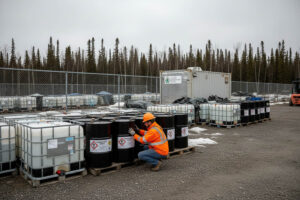
Remote operations in Canada involve multiple integrated systems working together — including accommodation, logistics, safety, and environmental controls. In sectors
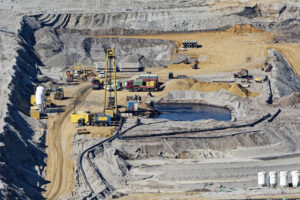
Mining in Canada isn’t just about extracting resources — it’s about sustaining teams through remote camp services in Canadian mining
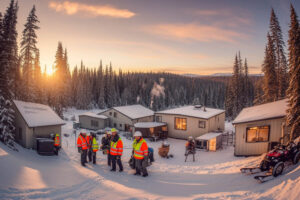
When comparing modular camps vs remote camps, many companies in Canada assume the terms mean the same thing. While the

In places like Fort McMurray’s oil sands or Kitimat’s LNG projects, remote catering companies play a vital role in supporting
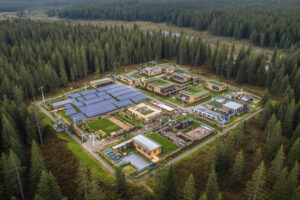
As industrial activity expands into environmentally sensitive regions, sustainable remote camp services Canada are becoming essential to balancing operational efficiency
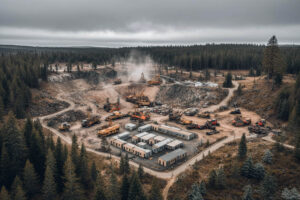
Across vast and isolated regions, remote camp services in Canada play a crucial role in enabling industries to operate efficiently
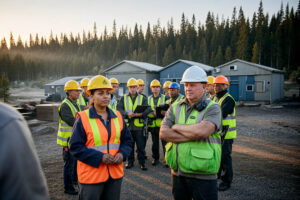
Effective remote site management is crucial for organizations operating in Canada’s isolated work environments, such as oil sands sites in

Remote site food catering services play a crucial role in sustaining Canada’s diverse industries, from mining and oil to forestry
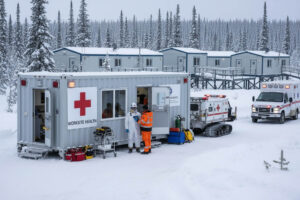
Remote site medical support plays a critical role in safeguarding the health and safety of employees working in Canada’s most
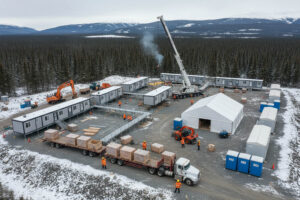
Mobilizing operations in challenging environments requires precision, planning, and expertise. That’s why remote camp mobilization is at the heart of

In demanding industrial environments, maintaining safety and stability is essential, and remote site security plays a critical role in protecting