
Remote Camp Hazardous Waste Checklist Canada: Compliance & Operations Guide
Remote operations in Canada take place in challenging environments where multiple systems must work together smoothly — including accommodation, logistics,
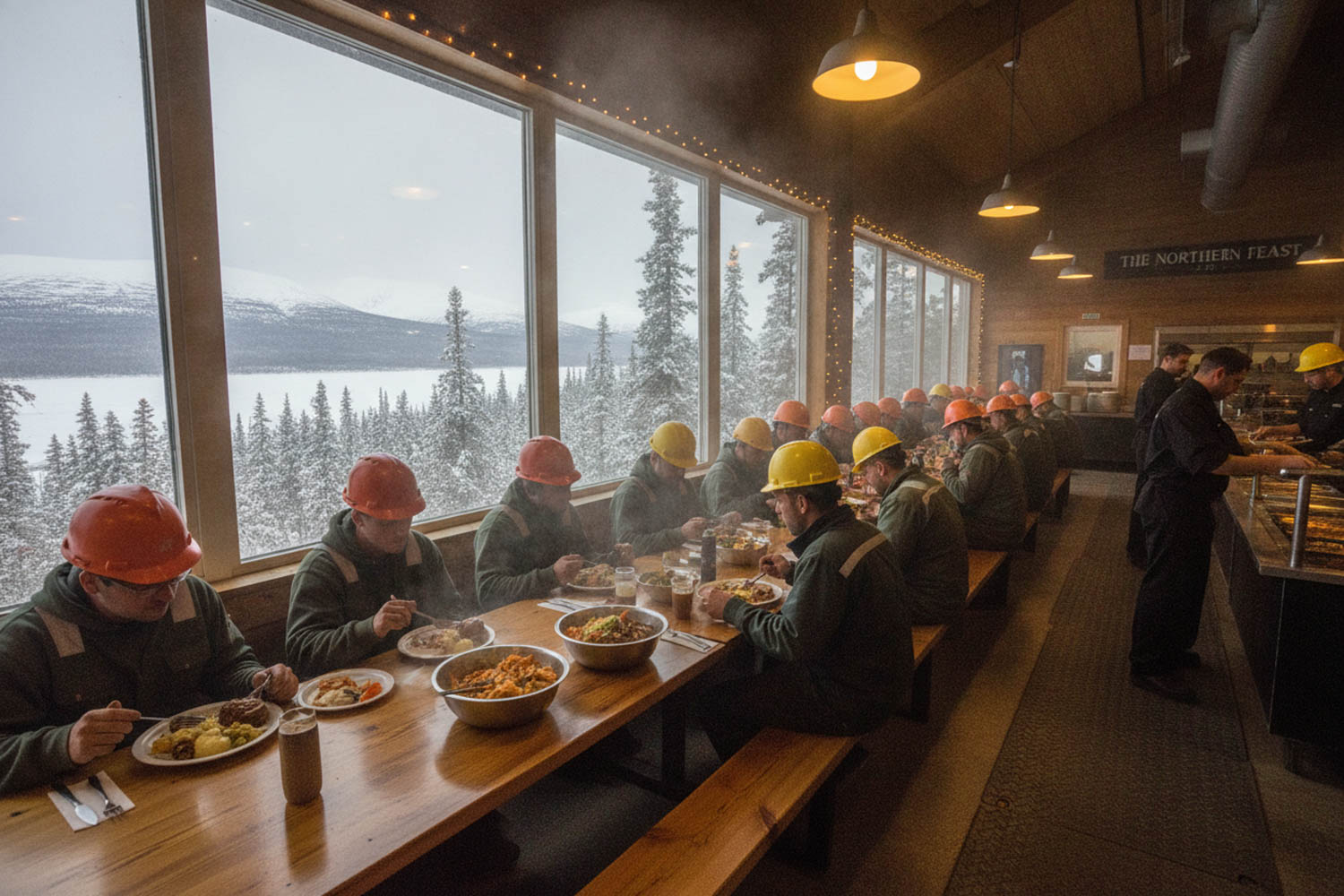
Industrial operations in Canada—whether in oil sands, mining regions, forestry zones, or large-scale construction corridors—depend on one critical but often underestimated factor: reliable workforce nutrition in isolated environments. Choosing the right remote catering companies can directly influence productivity, safety, morale, and project continuity.
In high-pressure environments where crews operate far from urban infrastructure, meal provision is not just a service—it’s a logistical lifeline. This guide breaks down what decision-makers should evaluate when selecting a provider for large-scale, off-grid operations.
In sectors such as mining, oil & gas, forestry, and civil construction, workers often spend weeks at a time in isolated sites. Properly structured meal programs support:
Because of this, organizations increasingly rely on specialized remote catering companies that understand the complexity of serving dispersed, high-volume crews under challenging conditions.
Not all hospitality providers are equipped for industrial-scale demands. Look for teams that have demonstrable experience supporting:
Providers familiar with industrial camp catering services Canada typically already understand the logistical pressure of servicing isolated job sites where supply chains can be unpredictable.
A strong track record in similar environments is often a better predictor of success than general hospitality experience.
Many Canadian projects rely on rotational staff models, particularly in northern or hard-to-access regions. This is where fly-in fly-out (FIFO) workforce meals Canada expertise becomes essential.
A capable service partner should offer:
Without this adaptability, operations risk inconsistent service quality during critical rotation windows.
One of the most important evaluation criteria is how well a provider manages logistics in isolated environments. This includes:
Experienced remote workforce meal delivery services often build redundancy into their systems, ensuring operations continue smoothly even when weather or transport challenges arise.
Reliability here directly impacts workforce satisfaction and site stability.
Different sectors require different nutritional strategies and service rhythms. For example:
Providers specializing in oil and gas camp catering providers Canada are typically more familiar with safety protocols, shift-based feeding windows, and compliance expectations common in energy-sector environments.
This specialization reduces onboarding time and improves operational alignment.
Even in rugged environments, workforce satisfaction remains a priority. Quality of meal service influences morale, retention, and productivity.
Key indicators of strong service delivery include:
Companies offering mining camp hospitality services Canada often integrate culinary planning with broader workforce well-being strategies, ensuring meals contribute positively to daily morale rather than simply meeting nutritional requirements.
Industrial environments demand strict adherence to health and safety regulations. When evaluating providers, confirm:
In remote regions, regulatory compliance becomes even more critical due to limited access to external inspection resources. A strong internal compliance framework is a non-negotiable requirement.
Industrial projects rarely maintain static workforce numbers. A dependable provider should be able to scale operations up or down quickly without affecting service quality.
This includes:
Scalability ensures your meal program evolves alongside project demands rather than becoming a constraint.
Modern service providers increasingly use digital tools to improve efficiency and transparency. Look for systems that offer:
These tools help project managers optimize budgets and reduce waste while maintaining high service standards.
Because industrial sites often operate in high-pressure environments, communication quality matters as much as operational capability.
A strong partner should demonstrate:
This ensures smoother coordination between operations and service delivery teams.
While budget considerations are important, selecting purely on price can lead to long-term inefficiencies such as:
Instead, evaluate total value delivered—including reliability, workforce satisfaction, and operational resilience.
Selecting a partner for remote workforce meal services is a decision that directly affects site performance, crew satisfaction, and overall project efficiency. In isolated industrial environments, small operational gaps can quickly turn into major disruptions, so it’s important to evaluate providers with a structured and disciplined approach rather than relying on surface-level proposals or pricing alone. A strong decision-making framework helps ensure you choose a supplier that can consistently perform under pressure, not just during ideal conditions.
Before you finalize any agreement with remote catering companies, use this checklist as a practical validation tool to confirm capability beyond marketing claims. Each point should be supported by real examples, references, or documented operational experience—not just verbal assurances.
Taking the time to validate these areas helps reduce operational risk, improves long-term reliability, and ensures smoother coordination between your site teams and the service provider. It also minimizes costly disruptions that can arise from underprepared vendors in harsh or logistically complex environments.
All things considered, the right partner should feel like an extension of your operational team—capable, responsive, and consistent in execution. When these standards are met, meal service becomes a stabilizing force for your project rather than an administrative challenge.
Once your evaluation is complete, the next step is to engage providers experienced in supporting remote industrial sites across Canada. At this stage, remote catering companies in Canada should be assessed on proven performance in mining, energy, forestry, and construction environments—not general hospitality experience.
From our perspective as a remote site service provider, the focus should be on partners who can turn operational needs into clear, field-ready plans, including logistics coordination, workforce rotation support, and consistent service in challenging conditions.
When we respond to inquiries, we provide structured proposals, relevant project experience, and clear explanations of how we manage remote Canadian site conditions, helping remove uncertainty from the decision-making process.
If your project is preparing for mobilization or you’re reviewing service options, the next step is to book a consultation with our remote operations team. We’ll review your site requirements, discuss logistics planning, and outline a tailored service approach for your operation.
Remote operations in Canada take place in challenging environments where multiple systems must work together smoothly — including accommodation, logistics,
Industrial operations in Canada—whether in oil sands, mining regions, forestry zones, or large-scale construction corridors—depend on one critical but often
When organizations evaluate large-scale industrial work in places like Northern Alberta, British Columbia, or Newfoundland and Labrador, a remote site

Across Canada’s resource-driven economy, workforce accommodations play a critical role in keeping major projects running smoothly. In sectors such as
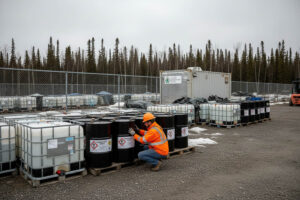
Remote operations in Canada involve multiple integrated systems working together — including accommodation, logistics, safety, and environmental controls. In sectors
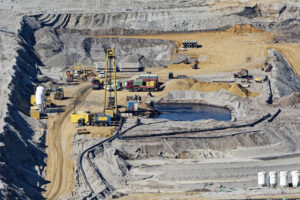
Mining in Canada isn’t just about extracting resources — it’s about sustaining teams through remote camp services in Canadian mining
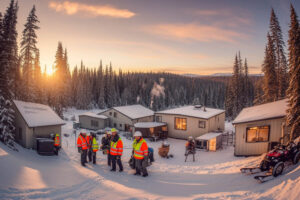
When comparing modular camps vs remote camps, many companies in Canada assume the terms mean the same thing. While the

In places like Fort McMurray’s oil sands or Kitimat’s LNG projects, remote catering companies play a vital role in supporting
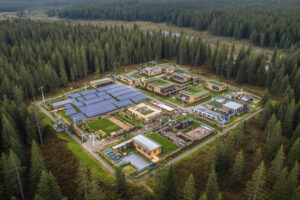
As industrial activity expands into environmentally sensitive regions, sustainable remote camp services Canada are becoming essential to balancing operational efficiency
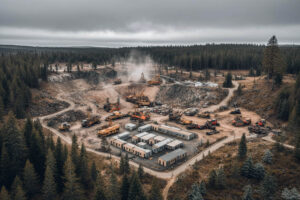
Across vast and isolated regions, remote camp services in Canada play a crucial role in enabling industries to operate efficiently
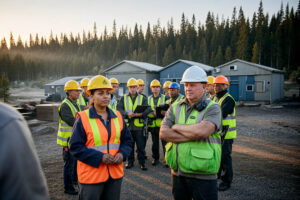
Effective remote site management is crucial for organizations operating in Canada’s isolated work environments, such as oil sands sites in
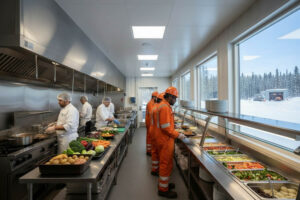
Remote site food catering services play a crucial role in sustaining Canada’s diverse industries, from mining and oil to forestry
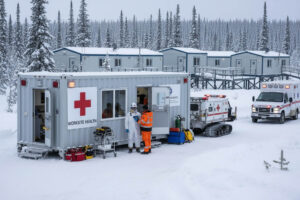
Remote site medical support plays a critical role in safeguarding the health and safety of employees working in Canada’s most
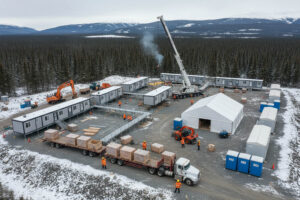
Mobilizing operations in challenging environments requires precision, planning, and expertise. That’s why remote camp mobilization is at the heart of

In demanding industrial environments, maintaining safety and stability is essential, and remote site security plays a critical role in protecting