
7 Sustainability Metrics Every Company Should Review Before Selecting a Workforce Camp Provider
Selecting accommodation services for major industrial projects often requires choosing the right workforce camp provider based on more than just
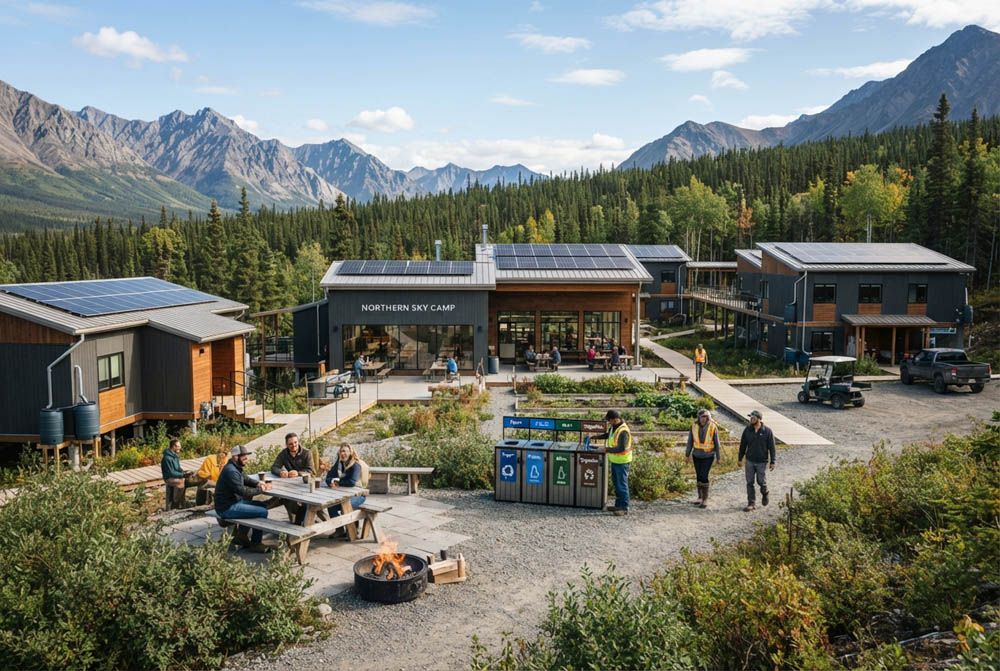
Selecting accommodation services for major industrial projects often requires choosing the right workforce camp provider based on more than just pricing and basic amenities. In regions such as Northern British Columbia, Alberta’s energy corridors, and the Yukon, organizations are expected to demonstrate environmental responsibility across every stage of their operations, making sustainability a critical factor in procurement decisions. Choosing the right partner can directly influence environmental performance, operational efficiency, and long-term project success.
Many organizations are under increasing pressure from regulators, investors, Indigenous communities, and stakeholders to reduce environmental impact while maintaining safe and efficient living conditions for workers. As a result, sustainability evaluation has become a key part of selecting workforce accommodation partners.
Below are seven essential sustainability metrics to consider when making that decision.
Energy consumption remains one of the largest environmental impacts associated with workforce accommodations. Heating, power generation, lighting, and operational equipment can contribute substantially to greenhouse gas emissions, particularly in northern and isolated regions.
When evaluating a potential partner, review:
Organizations that actively track and improve energy performance are often better positioned to support client sustainability goals while controlling operating costs.
Responsible water stewardship is increasingly important, especially in environmentally sensitive locations where resources may be limited.
Key performance indicators include:
A company that prioritizes water conservation demonstrates a commitment to reducing environmental impacts while supporting long-term operational sustainability.
Waste management practices provide valuable insight into how seriously a company approaches environmental responsibility.
Important metrics to evaluate include:
The strongest organizations implement comprehensive waste reduction strategies that minimize disposal volumes and maximize resource recovery.
Food operations can significantly influence overall environmental performance through sourcing decisions, food waste generation, transportation requirements, and energy consumption.
When assessing remote site food services, organizations should look for:
Strong food service practices contribute to the development of sustainable workforce camps while supporting resident satisfaction and project sustainability objectives.
Cleaning operations play an important role in maintaining healthy living environments while reducing resource consumption and environmental impact.
When reviewing camp housekeeping services, consider whether the company uses:
These measures help create safer accommodations while supporting broader environmental goals.
Well-maintained infrastructure typically consumes fewer resources and generates less waste over its lifecycle. Effective maintenance programs also help extend equipment longevity and improve energy performance.
Organizations evaluating facility maintenance services should review:
A proactive maintenance strategy often leads to lower operating costs and stronger environmental outcomes.
Sustainability initiatives are most effective when supported by clear accountability and measurable reporting.
An experienced workforce camp provider should be able to demonstrate:
Transparency allows clients to accurately measure environmental performance and support their own sustainability reporting requirements.
Industrial and resource development projects are often located in geographically remote and environmentally sensitive areas where logistics, climate, and infrastructure conditions vary significantly. Providers offering workforce accommodation solutions in remote regions of Western and Northern Canada must be able to maintain consistent service delivery while adapting to challenging operating environments.
Typical project locations include:
Companies evaluating a workforce accommodation partner often look for evidence of reliable mobilization capability, supply chain resilience, and the ability to operate efficiently in areas with limited access and extreme weather conditions.
Equally important is the ability to apply sustainability practices in context-specific ways. This may include reducing fuel consumption in cold-weather environments, managing waste streams in isolated locations, and optimizing water and energy use where infrastructure is limited or shared.
For project owners, consistency across regions is essential—ensuring that workforce wellbeing, environmental performance, and operational efficiency remain stable regardless of location or project scale.
Selecting accommodation services based solely on cost can overlook key factors that influence long-term project performance. Evaluating sustainability metrics such as energy efficiency, water conservation, waste diversion, food service operations, maintenance programs, and ESG reporting helps organizations make more informed decisions and support stronger environmental outcomes.
Our team provides tailored support for:
Whether supporting mining, energy, infrastructure, or industrial developments, we deliver practical solutions aligned with operational and sustainability goals.
Contact us today to discuss your project requirements or book a consultation to learn how we can support your workforce accommodation needs with an experienced workforce camp provider.
Selecting accommodation services for major industrial projects often requires choosing the right workforce camp provider based on more than just

Maintaining a productive workforce in isolated accommodations requires more than comfortable lodging and quality amenities. In the middle of daily
Remote operations in Canada take place in challenging environments where multiple systems must work together smoothly — including accommodation, logistics,
Industrial operations in Canada—whether in oil sands, mining regions, forestry zones, or large-scale construction corridors—depend on one critical but often
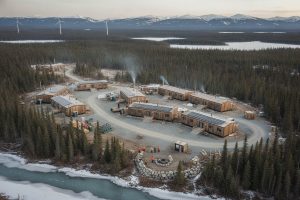
When organizations evaluate large-scale industrial work in places like Northern Alberta, British Columbia, or Newfoundland and Labrador, a remote site

Across Canada’s resource-driven economy, workforce accommodations play a critical role in keeping major projects running smoothly. In sectors such as
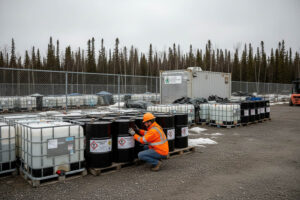
Remote operations in Canada involve multiple integrated systems working together — including accommodation, logistics, safety, and environmental controls. In sectors
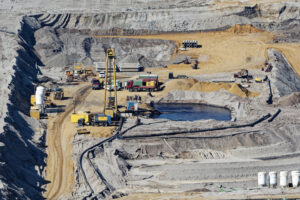
Mining in Canada isn’t just about extracting resources — it’s about sustaining teams through remote camp services in Canadian mining
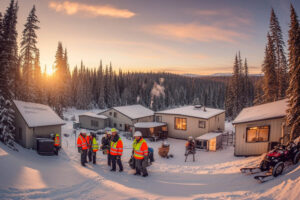
When comparing modular camps vs remote camps, many companies in Canada assume the terms mean the same thing. While the

In places like Fort McMurray’s oil sands or Kitimat’s LNG projects, remote catering companies play a vital role in supporting
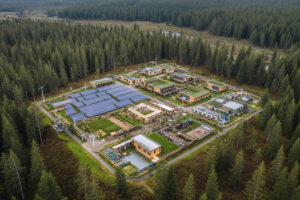
As industrial activity expands into environmentally sensitive regions, sustainable remote camp services Canada are becoming essential to balancing operational efficiency
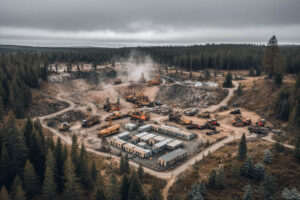
Across vast and isolated regions, remote camp services in Canada play a crucial role in enabling industries to operate efficiently
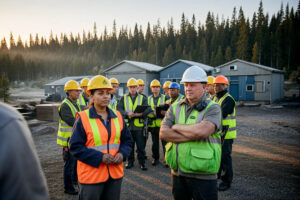
Effective remote site management is crucial for organizations operating in Canada’s isolated work environments, such as oil sands sites in
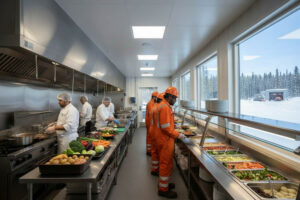
Remote site food catering services play a crucial role in sustaining Canada’s diverse industries, from mining and oil to forestry
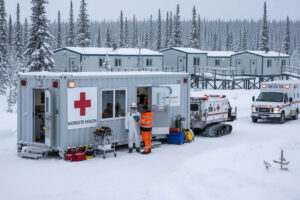
Remote site medical support plays a critical role in safeguarding the health and safety of employees working in Canada’s most