

7 Benefits of Professional Remote Housekeeping for Camp Operations
Maintaining a productive workforce in isolated accommodations requires more than comfortable lodging and quality amenities. In the middle of daily
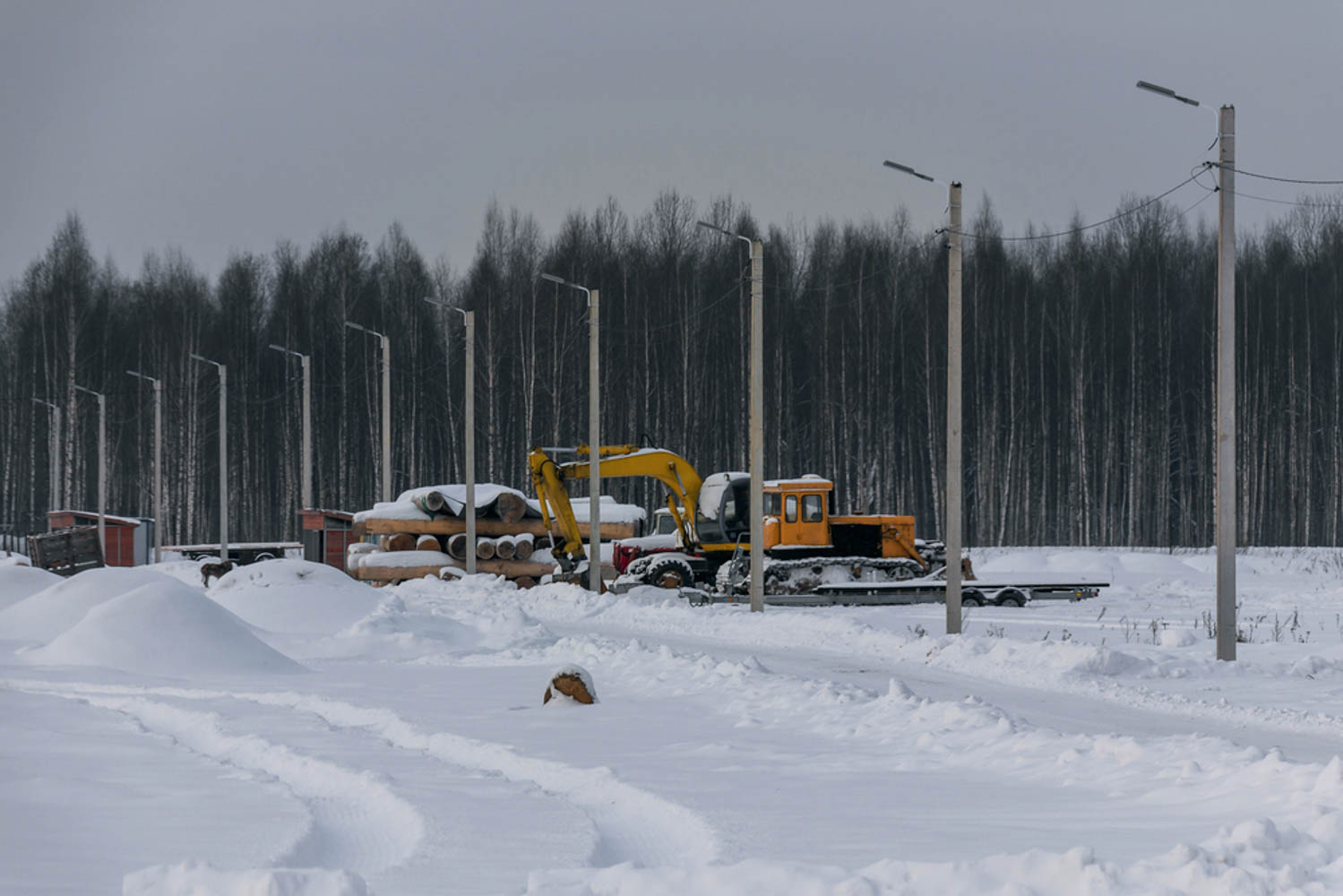
Effective construction remote camp management is essential for ensuring sustainability in Canada’s growing infrastructure projects, particularly in distant areas. As companies expand into environmentally sensitive regions, adopting eco-friendly solutions in offsite site management becomes crucial. With increasing regulatory pressures and a global push for sustainability, integrating green practices into offsite facility management not only reduces environmental impact but also enhances operational efficiency.
Off-site building projects are often established in environmentally sensitive areas such as deserts, forests, or near mining or energy extraction zones. Traditional methods of construction camp mobilization often rely heavily on fossil fuels, generate significant waste, and involve excessive use of non-renewable resources. This can have a detrimental effect on local ecosystems and increase the carbon footprint of building operations.
These unique challenges require construction facility management practices that minimize environmental impact.
Key Challenges:
Adopting sustainable practices in construction remote facility services is no longer optional—it is essential. It helps companies align with environmental regulations, secure community support, and achieve ESG (Environmental, Social, and Governance) goals. Moreover, sustainable camps can reduce operational disruptions, lower maintenance costs, and attract skilled labor by promoting a healthier and safer working environment.
Energy consumption is a major concern in construction remote camp management. Many remote work bases rely on diesel generators, which contribute to greenhouse gas emissions.
Sustainable Solutions:
Water is a critical resource in remote camps, and improper management can negatively affect surrounding ecosystems.
Sustainable Water Practices:
Proper waste disposal is another critical component of sustainable construction remote facility management. Development activities generate various forms of waste—from packaging materials to food waste and hazardous chemicals. Implementing a comprehensive waste management plan that includes segregation, recycling, and responsible disposal is essential.
Facilities should include composting systems, recycling stations, and waste tracking software to minimize landfill contributions. This not only complies with environmental regulations but also promotes a cleaner and more organized worksite.
Particularly in construction remote room management, biodegradable products and reusable resources (such as reusable containers and bulk dispensers) are replacing single-use items, contributing to the overall sustainability of the camp.
Best Practices:
Sustainable setup and mobilization of worksite facilities focuses on minimizing environmental impact during deployment and operation.
Green Mobilization Strategies:
Using eco-friendly materials is essential for sustainable facility upkeep.
Material Selection:
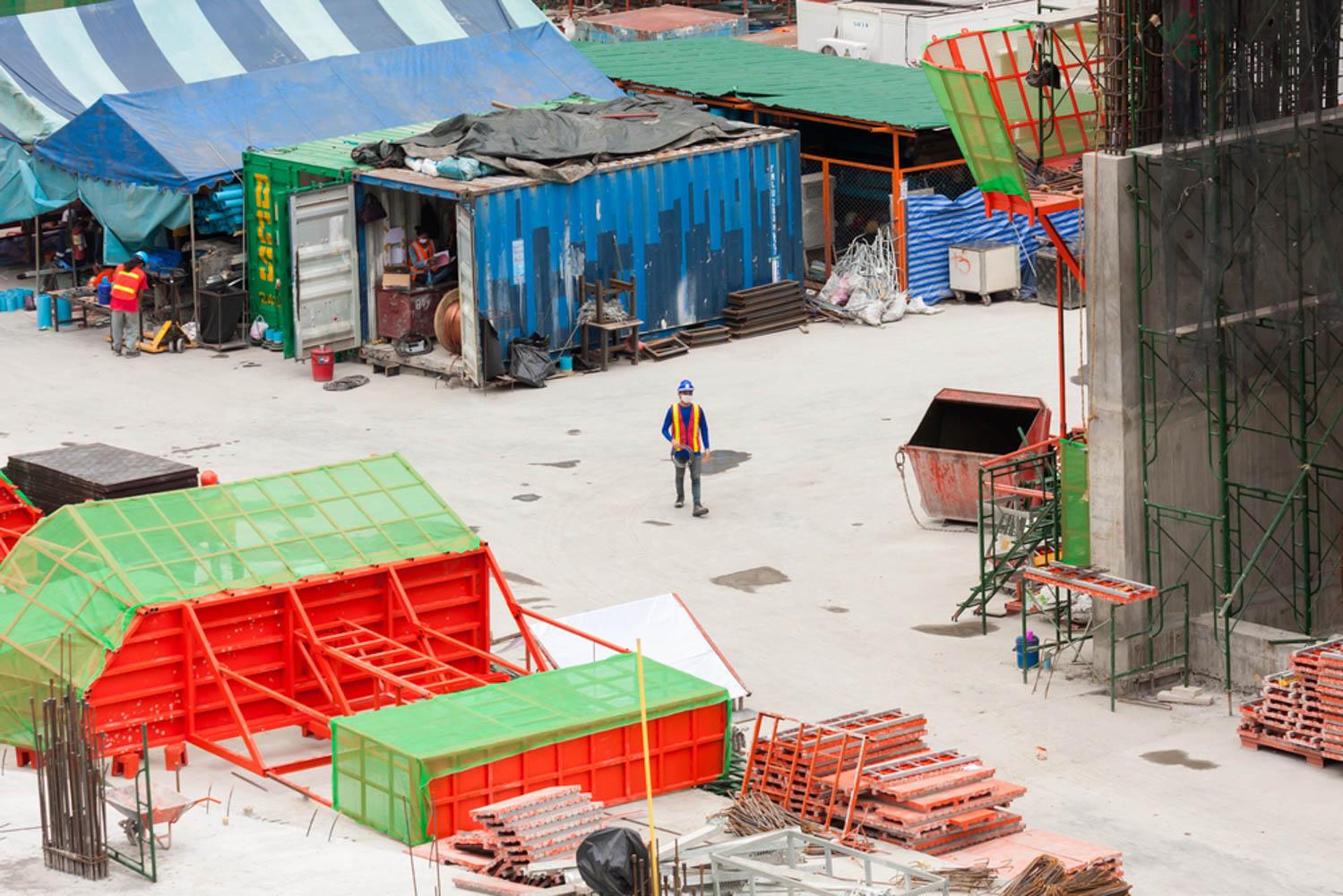
Sustainability isn’t just about the environment—it also improves worker living conditions in construction remote facility management. Incorporating natural ventilation, daylighting, non-toxic building materials, and ergonomic furnishings improves indoor air quality and boosts worker morale.
Comfort & Safety Measures:
Access to recreational facilities, mental health support, and healthy meal options further contributes to the holistic well-being of workers. These factors directly impact productivity, retention, and safety, making sustainable remote camp living more attractive and humane.
Modern technology is playing a transformative role in sustainable off-site facility operations. Advanced remote services streamline operations and sustainability initiatives. Cloud-based platforms, remote sensors, and data analytics are enabling real-time monitoring of energy, water, and waste systems.
Key Technologies:
These tools empower managers to make informed decisions quickly, optimize resource use, and ensure compliance with environmental standards.
Many remote projects take place near Indigenous lands. Sustainable construction remote facility services must include respectful collaboration.
Strategies for Cooperation:
As climate change concerns grow, companies must prioritize best practices that align with global sustainability goals. Future trends include:
Embracing sustainability in remote construction camps is no longer just an option—it is a necessity for companies aiming to reduce environmental impact while optimizing efficiency. From energy conservation and waste management to responsible material sourcing and worker well-being, adopting eco-friendly practices strengthens the long-term viability of remote sites. Advancements in technology and stronger collaboration with Indigenous communities further support sustainable solutions, ensuring that these camps operate responsibly and effectively. By prioritizing green initiatives, companies can enhance operational success while meeting global sustainability goals, reinforcing the importance of construction remote camp management in shaping a more environmentally conscious future.
Maintaining a productive workforce in isolated accommodations requires more than comfortable lodging and quality amenities. In the middle of daily
Remote operations in Canada take place in challenging environments where multiple systems must work together smoothly — including accommodation, logistics,
Industrial operations in Canada—whether in oil sands, mining regions, forestry zones, or large-scale construction corridors—depend on one critical but often
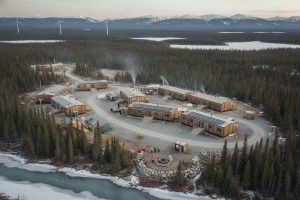
When organizations evaluate large-scale industrial work in places like Northern Alberta, British Columbia, or Newfoundland and Labrador, a remote site

Across Canada’s resource-driven economy, workforce accommodations play a critical role in keeping major projects running smoothly. In sectors such as
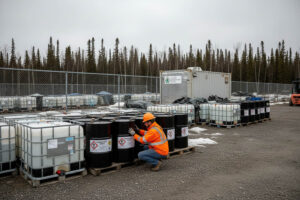
Remote operations in Canada involve multiple integrated systems working together — including accommodation, logistics, safety, and environmental controls. In sectors
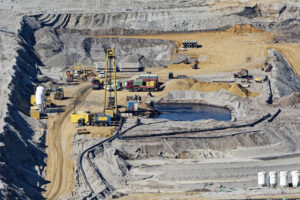
Mining in Canada isn’t just about extracting resources — it’s about sustaining teams through remote camp services in Canadian mining
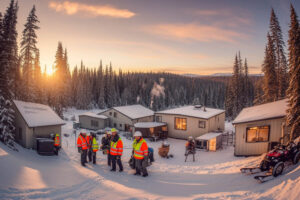
When comparing modular camps vs remote camps, many companies in Canada assume the terms mean the same thing. While the

In places like Fort McMurray’s oil sands or Kitimat’s LNG projects, remote catering companies play a vital role in supporting
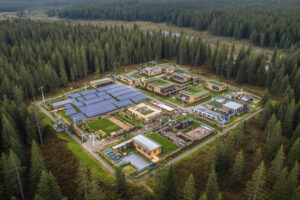
As industrial activity expands into environmentally sensitive regions, sustainable remote camp services Canada are becoming essential to balancing operational efficiency
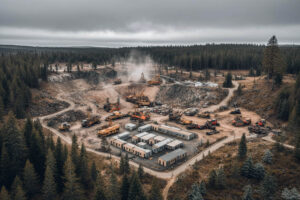
Across vast and isolated regions, remote camp services in Canada play a crucial role in enabling industries to operate efficiently
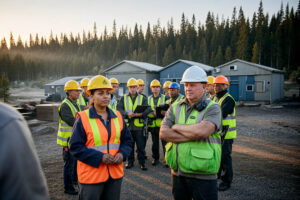
Effective remote site management is crucial for organizations operating in Canada’s isolated work environments, such as oil sands sites in
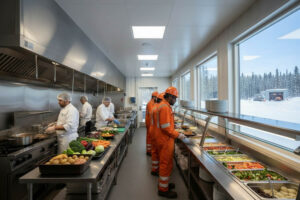
Remote site food catering services play a crucial role in sustaining Canada’s diverse industries, from mining and oil to forestry
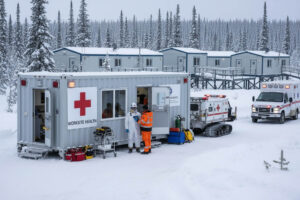
Remote site medical support plays a critical role in safeguarding the health and safety of employees working in Canada’s most
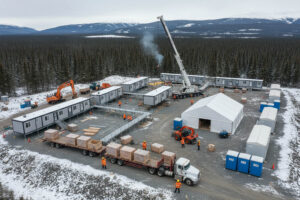
Mobilizing operations in challenging environments requires precision, planning, and expertise. That’s why remote camp mobilization is at the heart of