

7 Benefits of Professional Remote Housekeeping for Camp Operations
Maintaining a productive workforce in isolated accommodations requires more than comfortable lodging and quality amenities. In the middle of daily

Remote camp room management in Canada involves overseeing accommodations for workers in isolated locations, including mining sites, oil and gas operations, and construction projects. Effective management ensures comfort, safety, and efficiency for employees living in temporary housing while supporting operational success and compliance with health and safety regulations.
Strategic planning, facility maintenance, security protocols, and efficient logistics are essential for managing workforce accommodations. By implementing structured processes for room allocation, sanitation, security, food services, and recreational activities, companies can enhance living conditions for employees and contribute to long-term project success in remote areas.
Remote camp room management refers to the coordination of accommodations for workers deployed in remote locations. Whether operating in Northern Canada, oil sands regions, or rural construction zones, providing adequate living arrangements ensures employees have a functional space while working away from home.
A well-managed camp balances comfort, security, and efficiency, addressing essential needs such as:
Strong camp management strategies minimize disruptions, enhance worker satisfaction, and optimize long-term operational success.
A structured allocation process ensures efficient use of living spaces and prevents overcrowding. Camp administrators must manage room assignments based on the following considerations:
Digital remote site monitoring systems can help streamline the allocation process, ensuring optimized space usage and smooth workforce transitions.
Maintaining clean and functional living quarters is essential for workforce well-being. Remote housekeeping tasks should include:
Implementing a maintenance tracking system helps teams quickly address repairs and ensure facility longevity.
Security is critical in remote workforce housing to protect workers and assets. Remote site security systems and monitoring strategies include:
A secure camp environment allows employees to focus on their work without safety concerns.

Effective waste disposal and hygiene measures prevent health risks and environmental hazards in remote camps. Strategies include:
Proper sanitation minimizes disease risks, enhances worker health, and aligns with environmental regulations.
One of the most important aspects of camp life is food. Remote food catering services ensure that workers are well-nourished and receive meals that meet dietary and nutritional needs. These services often include three hot meals a day, snacks, and special dietary options. The coordination between room management and food catering services ensures seamless meal schedules aligned with worker shifts and occupancy levels.
Providing quality nutritious meals is fundamental to maintaining worker energy levels and overall well-being. Remote catering services should:
A well-structured camp food menu contributes to employee satisfaction and productivity.
Remote workers often spend weeks or months at a camp, making remote camp recreational activities essential for mental and physical health. Features include:
Providing a positive camp experience increases worker morale, retention, and engagement. Room management teams often collaborate with recreation coordinators to ensure activity schedules align with shift changes and available space.
Workplace safety is a major concern in remote camp operations. Health and safety protocols dictate everything from fire evacuation plans to disease prevention strategies.
Remote camp health and safety measures include:
Training for room management staff often includes first aid, hazard recognition, and emergency response procedures to ensure they can act swiftly during incidents.
Ensuring remote health and safety compliance is critical to maintaining a functional and secure workforce environment.
Maintaining a well-kept and environmentally-friendly remote site contributes to worker morale and camp efficiency. Remote landscaping initiatives focus on:
Green spaces and clean surroundings contribute to a positive atmosphere, reduce stress, and promote well-being. Regular maintenance of these spaces, coordinated alongside room management, enhances the overall experience of camp residents.
To enhance efficiency, comfort, and safety, camp administrators should implement best practices, including:
Employing cloud-based booking tools helps track room occupancy, housekeeping schedules, and maintenance requests in real-time. Key features often include:
Many companies utilize cloud-based systems that can be accessed by camp administrators, HR staff, and security personnel from different locations. This improves communication and ensures timely updates on room status, maintenance needs, and personnel movements.
Establish clear guidelines on accommodation rules, check-in procedures, and worker expectations to maintain a harmonious living environment for camp residents.
Introducing solar-powered facilities, water conservation programs, and responsible waste disposal strategies supports environmentally-friendly camp operations.
Conducting surveys and assessments allows management to improve housing conditions and address worker concerns.
Ensuring all workers understand evacuation protocols, emergency contacts, and health resources strengthens camp resilience.
Effective remote camp operations go beyond simply assigning beds. It requires careful planning, logistical coordination, and adherence to safety protocols to ensure workers are provided with secure, comfortable, and well-maintained accommodations. By implementing best practices in room allocation, sanitation, security, food services, and recreational activities, companies can create a sustainable and productive living environment for employees in isolated locations. A well-managed camp enhances workforce morale, retention, and operational efficiency, ultimately supporting the success of industrial projects in remote areas. As industries continue to push into more remote and challenging environments, prioritizing structured processes and continuous improvements is key to maintaining high standards in remote camp room management.
Maintaining a productive workforce in isolated accommodations requires more than comfortable lodging and quality amenities. In the middle of daily
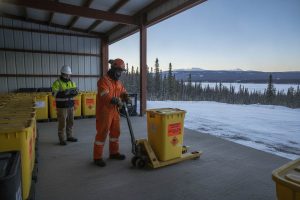
Remote operations in Canada take place in challenging environments where multiple systems must work together smoothly — including accommodation, logistics,
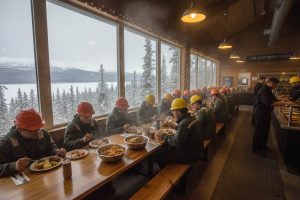
Industrial operations in Canada—whether in oil sands, mining regions, forestry zones, or large-scale construction corridors—depend on one critical but often
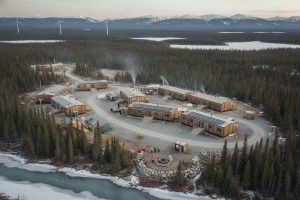
When organizations evaluate large-scale industrial work in places like Northern Alberta, British Columbia, or Newfoundland and Labrador, a remote site

Across Canada’s resource-driven economy, workforce accommodations play a critical role in keeping major projects running smoothly. In sectors such as
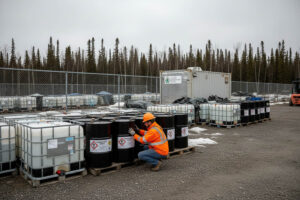
Remote operations in Canada involve multiple integrated systems working together — including accommodation, logistics, safety, and environmental controls. In sectors
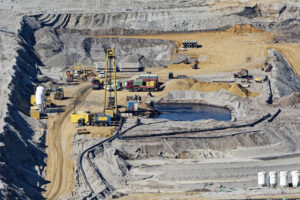
Mining in Canada isn’t just about extracting resources — it’s about sustaining teams through remote camp services in Canadian mining
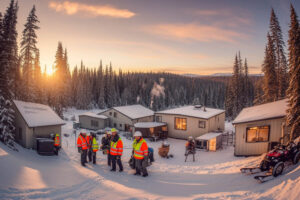
When comparing modular camps vs remote camps, many companies in Canada assume the terms mean the same thing. While the

In places like Fort McMurray’s oil sands or Kitimat’s LNG projects, remote catering companies play a vital role in supporting
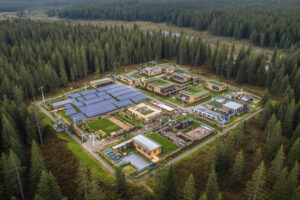
As industrial activity expands into environmentally sensitive regions, sustainable remote camp services Canada are becoming essential to balancing operational efficiency
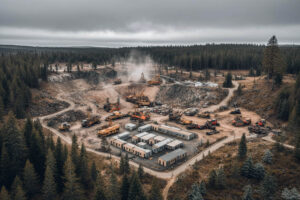
Across vast and isolated regions, remote camp services in Canada play a crucial role in enabling industries to operate efficiently
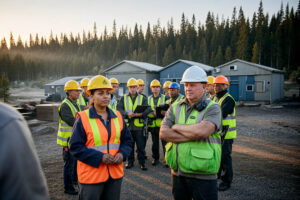
Effective remote site management is crucial for organizations operating in Canada’s isolated work environments, such as oil sands sites in
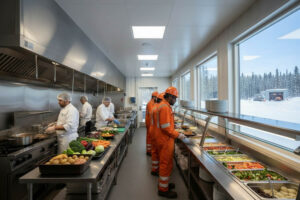
Remote site food catering services play a crucial role in sustaining Canada’s diverse industries, from mining and oil to forestry
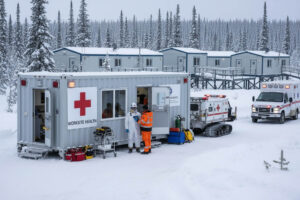
Remote site medical support plays a critical role in safeguarding the health and safety of employees working in Canada’s most
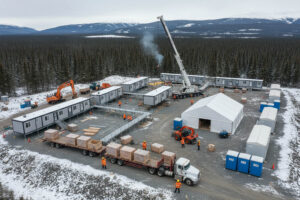
Mobilizing operations in challenging environments requires precision, planning, and expertise. That’s why remote camp mobilization is at the heart of