

7 Benefits of Professional Remote Housekeeping for Camp Operations
Maintaining a productive workforce in isolated accommodations requires more than comfortable lodging and quality amenities. In the middle of daily
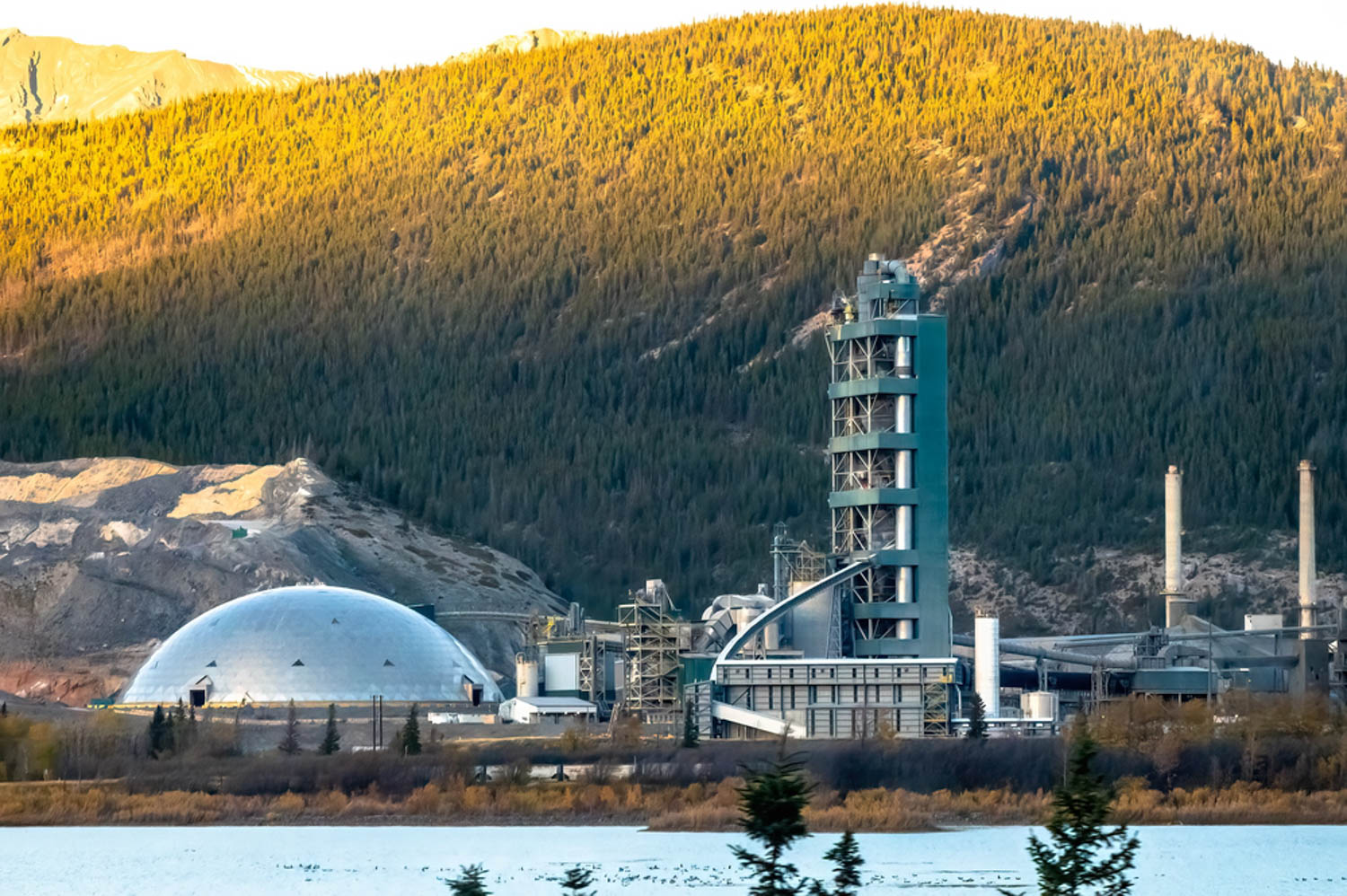
Remote off site monitoring is transforming how Canada’s resource sectors manage operations across vast and isolated landscapes, making it a cornerstone for achieving Environmental, Social, and Governance (ESG) goals. In the country’s remote facility camps—supporting oil, gas, mining, and forestry industries—this technology bridges the critical gap between sustainability mandates and real-world logistics. As ESG expectations intensify, remote monitoring solutions offer powerful tools for reducing environmental impact, safeguarding worker well-being, and enhancing governance transparency at the operational edge of industrial development.
Remote off site monitoring enables real-time data collection and control over energy, water, and waste systems without requiring constant on-site human presence. This is particularly vital in remote facility camps, where environmental oversight is logistically challenging.
By reducing the need for frequent travel to remote sites, these systems also cut down on transportation-related emissions—a significant contributor to the carbon footprint of remote operations.
The social dimension of ESG emphasizes worker well-being, community engagement, and equitable access to resources. In remote camps, where isolation and harsh conditions are common, this technology plays a pivotal role in safeguarding personnel.
Moreover, by enabling centralized oversight, companies can ensure that labor practices across all remote sites meet ethical standards, including fair wages, safe working conditions, and respect for Indigenous rights.
Strong governance is the third pillar of ESG, encompassing accountability, risk management, and ethical decision-making. Remote off site monitoring enhances governance by providing verifiable, real-time data that supports transparent reporting and informed decision-making.
By integrating monitoring data into ESG dashboards and sustainability reports, companies can demonstrate their commitment to responsible operations and build trust with stakeholders.
In Alberta’s oil sands and British Columbia’s shale fields, energy remote facility management is critical. Remote monitoring systems oversee everything from pipeline integrity to flare emissions, ensuring that operations meet stringent environmental standards. These systems also support facility building maintenance, reducing downtime and extending asset life.
From gold mine remote site management in Yukon to base metal operations in Ontario, mining companies use remote monitoring to track tailings pond stability, air quality, and equipment health. These insights are essential for meeting the Mining Association of Canada’s “Towards Sustainable Mining” standards.
In the boreal forests of Quebec and British Columbia, forestry remote site management relies on satellite and drone-based monitoring to assess deforestation, biodiversity, and wildfire risks. These tools support sustainable harvesting practices and help companies maintain FSC or SFI certification.
Exploration camp management benefits from modular, solar-powered monitoring units that track energy use, water quality, and waste disposal. These systems are especially valuable in early-stage projects, where infrastructure is minimal but ESG scrutiny is high.
The true power of this technology lies in its ability to integrate with other systems:
This interoperability not only improves operational efficiency but also supports ESG audits and third-party verifications.
Investing in remote off site monitoring is not just a compliance exercise—it’s a strategic advantage. Companies that adopt these technologies can:
In a competitive global market, these benefits can be the difference between securing a major contract or being left behind.
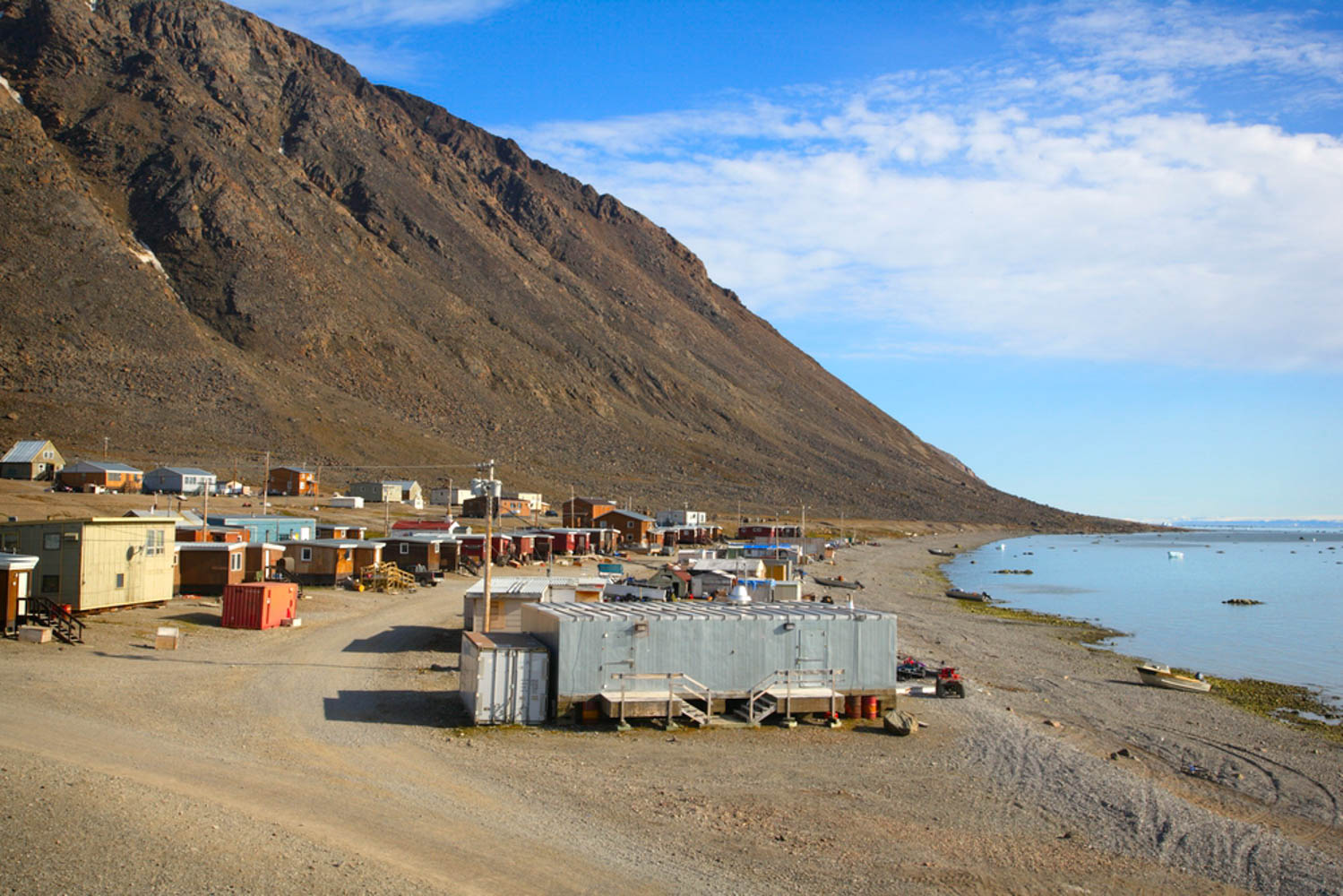
In today’s remote resource operations, environmental, social, and governance goals are no longer optional—they are critical drivers of business value. Canada’s oil, gas, mining, and forestry sectors must now monitor, manage, and optimize operations with greater precision, accountability, and sustainability than ever before.
From safeguarding workers to minimizing environmental impact, centralized oversight is enabling smarter decisions across the board. Technologies supporting facility management energy efficiency, emissions tracking, and resource optimization are ensuring that even the most remote camps meet and exceed ESG standards.
Ultimately, the transformation of these sectors is being led by intelligent, data-driven systems—at the center of which is remote off site monitoring.
Contact the Domco Group today or visit https://domco.ca/ to learn more about scalable monitoring systems designed for Canada’s oil, gas, mining, and forestry operations and how it can transform your remote facility operations.
Maintaining a productive workforce in isolated accommodations requires more than comfortable lodging and quality amenities. In the middle of daily
Remote operations in Canada take place in challenging environments where multiple systems must work together smoothly — including accommodation, logistics,
Industrial operations in Canada—whether in oil sands, mining regions, forestry zones, or large-scale construction corridors—depend on one critical but often
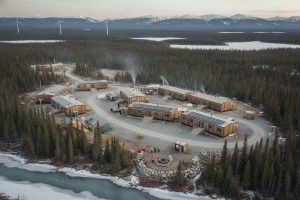
When organizations evaluate large-scale industrial work in places like Northern Alberta, British Columbia, or Newfoundland and Labrador, a remote site

Across Canada’s resource-driven economy, workforce accommodations play a critical role in keeping major projects running smoothly. In sectors such as
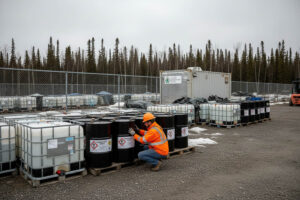
Remote operations in Canada involve multiple integrated systems working together — including accommodation, logistics, safety, and environmental controls. In sectors
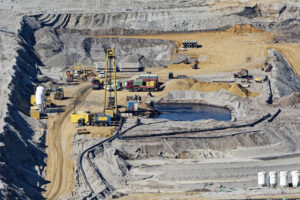
Mining in Canada isn’t just about extracting resources — it’s about sustaining teams through remote camp services in Canadian mining
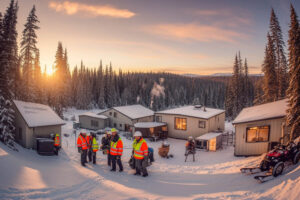
When comparing modular camps vs remote camps, many companies in Canada assume the terms mean the same thing. While the

In places like Fort McMurray’s oil sands or Kitimat’s LNG projects, remote catering companies play a vital role in supporting
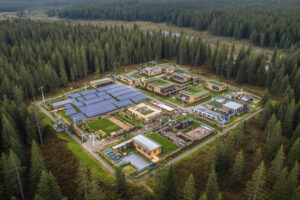
As industrial activity expands into environmentally sensitive regions, sustainable remote camp services Canada are becoming essential to balancing operational efficiency
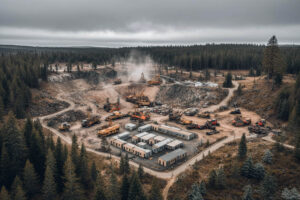
Across vast and isolated regions, remote camp services in Canada play a crucial role in enabling industries to operate efficiently
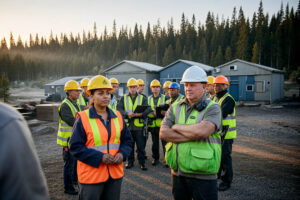
Effective remote site management is crucial for organizations operating in Canada’s isolated work environments, such as oil sands sites in
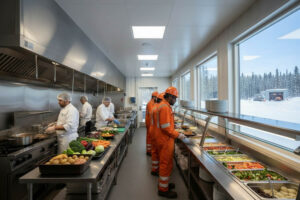
Remote site food catering services play a crucial role in sustaining Canada’s diverse industries, from mining and oil to forestry
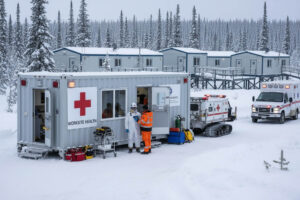
Remote site medical support plays a critical role in safeguarding the health and safety of employees working in Canada’s most
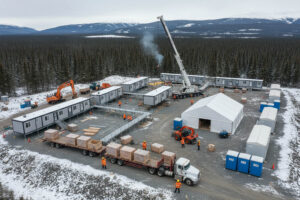
Mobilizing operations in challenging environments requires precision, planning, and expertise. That’s why remote camp mobilization is at the heart of