

7 Benefits of Professional Remote Housekeeping for Camp Operations
Maintaining a productive workforce in isolated accommodations requires more than comfortable lodging and quality amenities. In the middle of daily
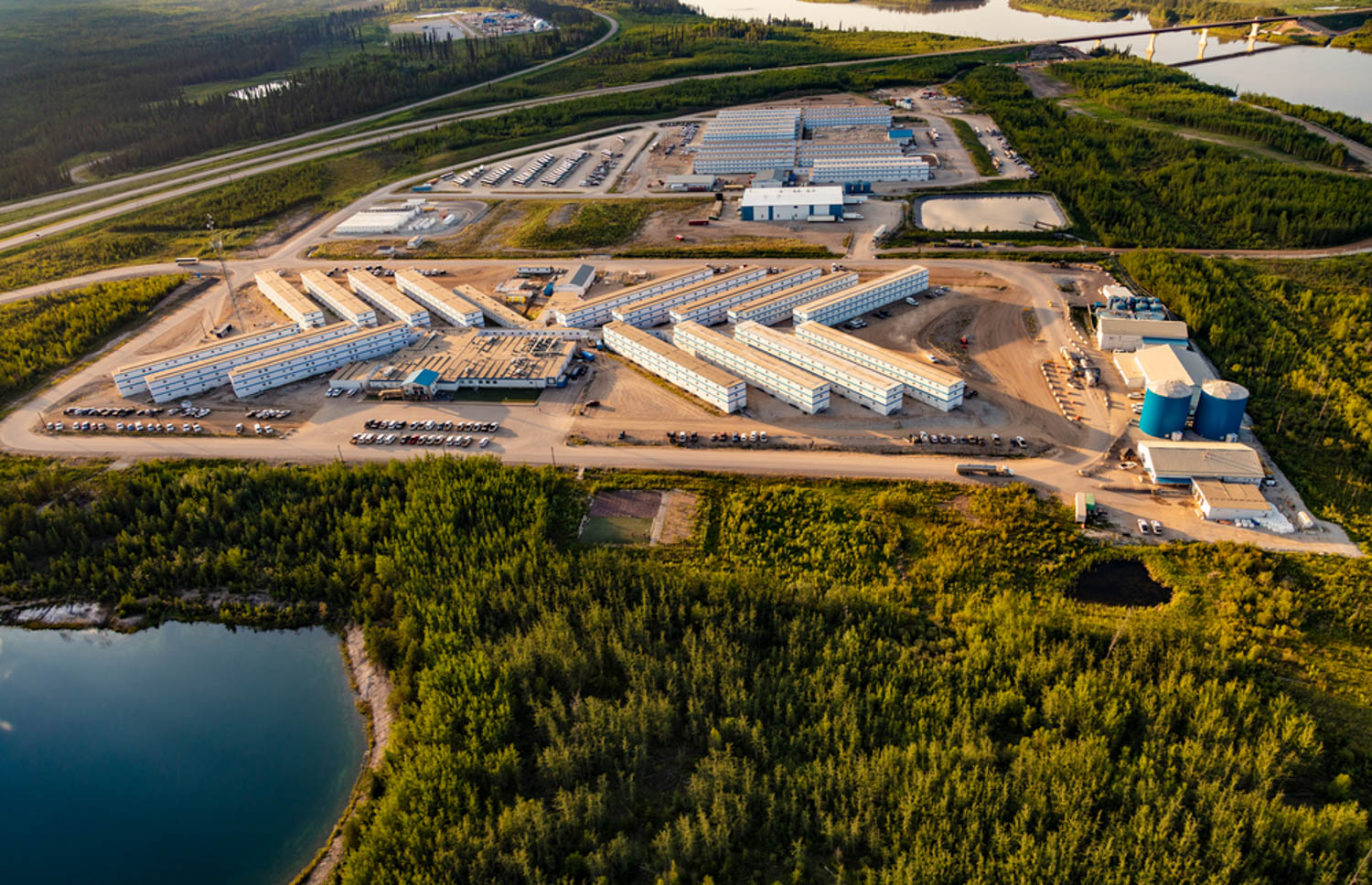
Remote site services play a critical role in supporting Canada’s natural resource industries—particularly oil, gas, and mining—which have long been pillars of the nation’s economy. These sectors often operate in hard-to-reach regions such as Alberta’s oil sands and the mineral-rich Yukon, where distance, climate, and isolation pose major logistical and human challenges. Remote site services (RSS) encompass a comprehensive suite of solutions—from housing and food services to medical care and logistical coordination—designed to sustain both personnel and operations in these isolated environments. Far from being peripheral, RSS is vital infrastructure that helps ensure efficiency, safety, and long-term sustainability.
Before diving into the value of RSS, it’s crucial to understand the rugged terrain and complex logistics that define Canada’s remote sites:
Without structured remote site administration, sustaining a productive workforce in such conditions becomes nearly impossible. Remote site services bridge this gap by establishing fully functional, self-contained communities that enable industrial operations to thrive—even in the most isolated locations.
Accommodations and Camp Infrastructure
Modular space solutions and mobile modular office buildings are designed to withstand extreme weather, offering options from dorm-style rooms to hotel-like accommodations. Today’s modular camps often include gyms, game rooms, and internet access—enhancing quality of life in isolation. Comprehensive remote site camp management ensures these facilities run efficiently, supporting worker comfort and operational continuity even in the harshest conditions.
Catering and Food Services
Healthy, appealing meals are vital to maintaining workforce morale and efficiency. Superior remote catering companies develop tailored menus based on dietary needs and cultural preferences. These services also manage cold-chain logistics, ensuring food safety across long supply routes. Many remote catering companies now emphasize nutrition and sustainability in meal planning.
Medical Services
Immediate access to healthcare is essential in isolated areas. Facilities with onsite medics, emergency equipment, and telemedicine capabilities provide essential remote site medical support and reduce the need for costly evacuations.
Waste Management and Sanitation
Environmental responsibility is central to Canadian operations. Handling of waste, wastewater, and hazardous materials is tightly regulated. As part of remote site facility maintenance, these services ensure that operations meet or exceed environmental standards, including waste audits and recycling programs.
Power and Communications
Power systems are critical to operations, especially off-grid. Many projects use hybrid systems with solar and diesel to reduce emissions. Meanwhile, a room energy management system helps reduce electricity use in accommodations, making power consumption more efficient. Communication infrastructure—such as satellite internet and VHF radio—ensures connectivity at all times.
Transportation and Logistics
Efficient transportation networks—including winter roads, helicopters, and barges—are vital. These systems support everything from crew rotations to equipment deliveries and camp mobilizations. Remote facility camp mobilization experts plan and execute these logistical efforts to ensure smooth operations from the start.
Operational Continuity
Whether in oil sands or fly-in exploration sites, RSS makes year-round operation possible—even in harsh conditions. Modular camps built with durable materials and full utility systems can weather extreme environments with minimal downtime.
Worker Welfare and Retention
Quality of life plays a huge role in worker satisfaction. Amenities like gyms, quality meals, and remote recreational activities such as movie nights or guided hikes are increasingly common. These contribute to better morale and help attract and retain skilled labor.
Safety and Risk Management
Safety protocols go beyond medical readiness. Remote facility health and safety teams also develop evacuation procedures, fire suppression systems, and real-time incident tracking, all of which reduce risks and ensure compliance.
Environmental Compliance
With sustainability front and center, services like greywater recycling, composting, and low-impact construction methods are essential. In many operations, remote accommodation services incorporate LEED-certified buildings and reduced-emission transport options.
Economic Enablement in Remote Communities
In many cases, remote site services providers partner with local Indigenous communities to deliver essential services. This approach creates local jobs, fosters long-term business relationships, and contributes to sustained economic development—even after a project ends. For instance, camp catering contracts are frequently awarded to First Nations-owned businesses, supporting food sovereignty, entrepreneurship, and meaningful participation in regional growth.
Cost Efficiency
While setup costs are high, the long-term savings are significant. Better logistics, energy management, and workforce retention lower operational costs over time. Teams like remote camp administration oversee cost tracking and resource optimization.
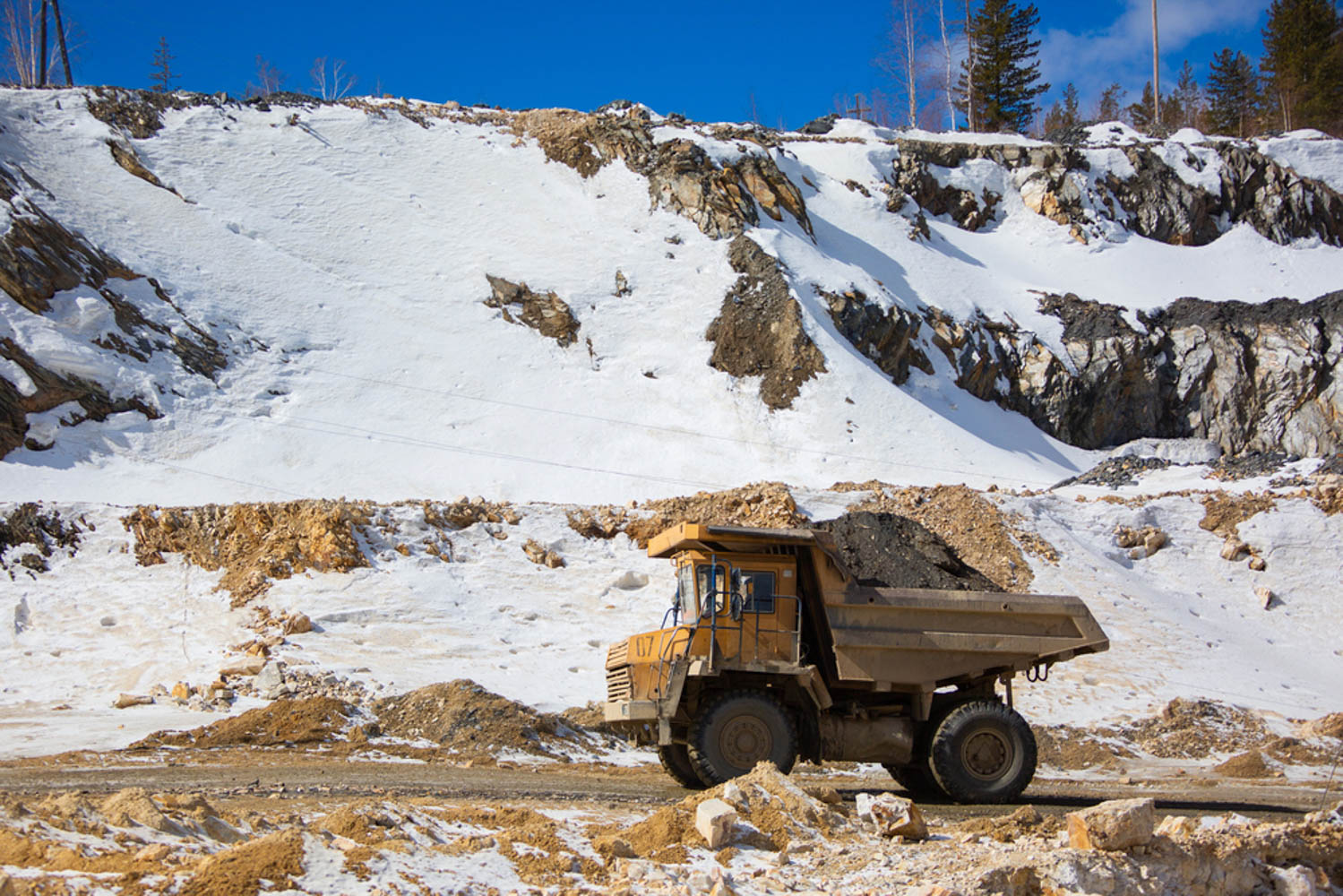
Alberta – Oil Sands Operations
In Fort McMurray and the Athabasca region, remote site services are indispensable. Workforce camps host thousands of transient workers who live on-site for extended periods. Emergency planning is crucial, especially in areas prone to wildfires.
These camps also require remote camp housekeeping and remote site janitorial services to maintain cleanliness and hygiene standards during high occupancy periods.
Yukon – Mining Exploration
With seasonal fly-in exploration camps, the Yukon presents unique challenges. Many camps operate only during summer and must be fully mobile. Sustainability is critical in these sensitive ecosystems, so teams focus on reducing footprint while maintaining comfort.
Operations here often rely on remote site chefs trained to prepare nutritious meals with limited supply runs. Cleaning is equally important, with remote facility cleaning services helping maintain safe and compliant environments throughout the season.
Often hidden from view, the infrastructure supporting Canada’s resource economy is vital to keeping operations running smoothly, workers safe, and communities engaged. It enables continuity, supports well-being, and drives long-term regional development. In harsh environments like Alberta’s oil sands or the Yukon’s remote mining zones, having the right systems in place isn’t just a strategic advantage—it’s a fundamental requirement for success. As environmental expectations rise, social responsibility deepens, and technologies advance, remote support systems must evolve in step. Companies that invest wisely in these capabilities don’t just strengthen performance—they help shape a more sustainable, inclusive, and resilient future for Canada’s energy and mining sectors. Supporting all of this is a framework built on trusted, inclusive, and resilient remote site services.
Ready to optimize your remote operations? Speak with our team today and discover how our remote site services can support your next project.
Maintaining a productive workforce in isolated accommodations requires more than comfortable lodging and quality amenities. In the middle of daily
Remote operations in Canada take place in challenging environments where multiple systems must work together smoothly — including accommodation, logistics,
Industrial operations in Canada—whether in oil sands, mining regions, forestry zones, or large-scale construction corridors—depend on one critical but often
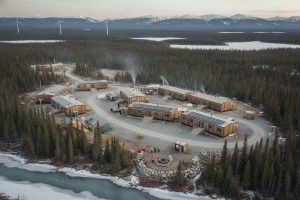
When organizations evaluate large-scale industrial work in places like Northern Alberta, British Columbia, or Newfoundland and Labrador, a remote site

Across Canada’s resource-driven economy, workforce accommodations play a critical role in keeping major projects running smoothly. In sectors such as
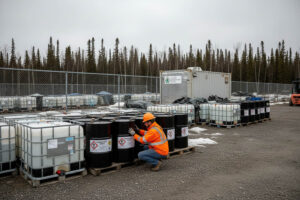
Remote operations in Canada involve multiple integrated systems working together — including accommodation, logistics, safety, and environmental controls. In sectors
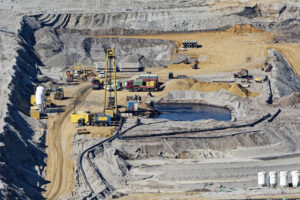
Mining in Canada isn’t just about extracting resources — it’s about sustaining teams through remote camp services in Canadian mining
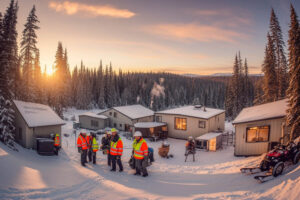
When comparing modular camps vs remote camps, many companies in Canada assume the terms mean the same thing. While the

In places like Fort McMurray’s oil sands or Kitimat’s LNG projects, remote catering companies play a vital role in supporting
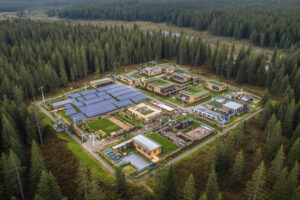
As industrial activity expands into environmentally sensitive regions, sustainable remote camp services Canada are becoming essential to balancing operational efficiency
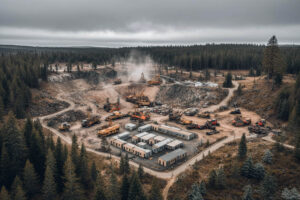
Across vast and isolated regions, remote camp services in Canada play a crucial role in enabling industries to operate efficiently
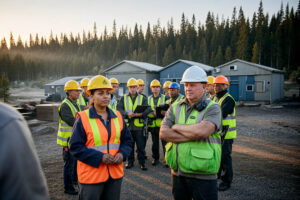
Effective remote site management is crucial for organizations operating in Canada’s isolated work environments, such as oil sands sites in
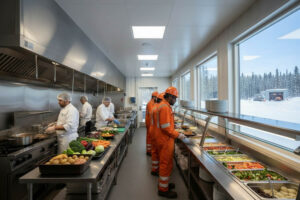
Remote site food catering services play a crucial role in sustaining Canada’s diverse industries, from mining and oil to forestry
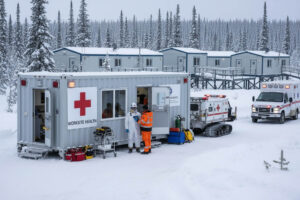
Remote site medical support plays a critical role in safeguarding the health and safety of employees working in Canada’s most
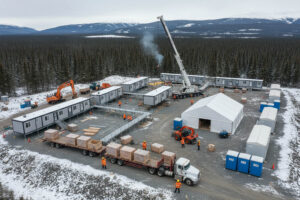
Mobilizing operations in challenging environments requires precision, planning, and expertise. That’s why remote camp mobilization is at the heart of